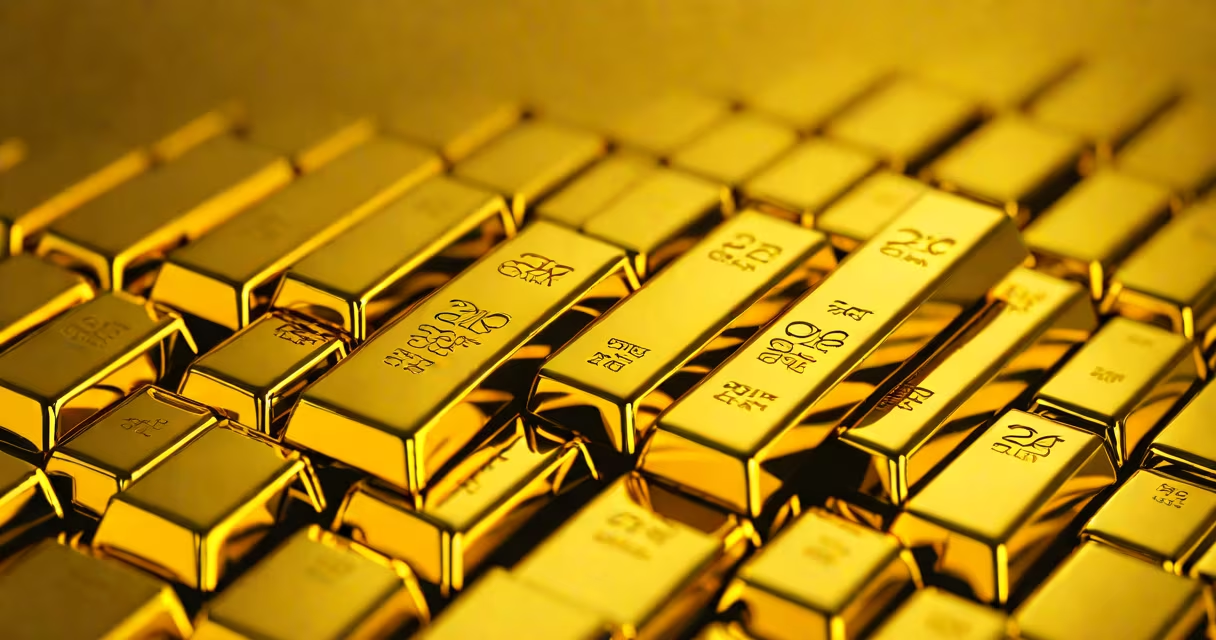
24k gold means 100% pure gold, containing no other metals mixed in. It is the highest standard of gold purity available and is used primarily in bullion, investment bars, and high-end decorative items.
Gold is measured in karats (kt), where 24k represents full purity. Each karat equals 1/24th of the whole, so 24k gold contains 24 parts gold out of 24. This differs from carat, which measures gemstone weight. The term "karat" applies only to gold alloys.
Unlike lower-karat gold used in everyday jewelry, 24k gold is soft and easily damaged. It cannot withstand daily wear in rings or bracelets. Its primary uses are in financial assets, ceremonial objects, and collector's items.
Gold's natural state is elemental-pure gold exists in nature as flakes or nuggets. When mined, it undergoes refining to remove impurities such as silver, copper, and iron. The refining process brings gold to 99.9% purity, labeled as 24k.
Manufacturers often test 24k gold using acid assays or electronic testers. A sign stamp of "24K" or "999" (indicating 99.9% purity) confirms authenticity. These marks appear on gold bars, coins, and certified jewelry.
For example, a 1-ounce American Eagle gold coin is stamped "24K" and contains exactly 1 troy ounce of 24k gold. Its value fluctuates with market prices, currently around $2,100 per ounce (as of June 2024), based on spot price and minting fees.
24k gold appears in several forms, each serving distinct purposes:
| Type | Purity | Common Uses | Examples |
|---|---|---|---|
| Bullion Bars | 99.9% | Investment, storage | 1 oz, 10 oz, 1 kg bars from PAMP Suisse or Perth Mint |
| Coins | 99.9%-100% | Legal tender, investment | American Eagle, Canadian Maple Leaf, South African Krugerrand (gold version) |
| Sheet & Wire | 99.9% | Art, electronics, gilding | Used in fine art restoration and semiconductor coatings |
Some manufacturers produce 24k gold in sheet form for traditional gilding. The U.S. National Gallery of Art uses 24k gold leaf to restore Renaissance frames. Each leaf is 0.0001 inches thick and weighs less than 0.0001 grams.
24k gold is favored in financial markets because its value is tied directly to global gold prices. Investors buy it to hedge against inflation and currency devaluation. According to the World Gold Council, central banks purchased 1,136 tons of gold in 2023-most of it in 24k form.
In luxury goods, 24k gold appears in limited-edition watches and designer accessories. Rolex's 24k gold Daytona models sell for over $50,000, though they're not worn daily due to softness. The material's luster and resistance to tarnish make it ideal for display pieces.
Religious and cultural artifacts also use 24k gold. The Golden Calf in ancient Egyptian temple carvings was depicted as 24k gold. Modern temples, such as India's Golden Temple in Amritsar, feature 24k gold-plated domes and walls, symbolizing divine purity.
Many assume 24k gold is the best choice for jewelry. This is false. Pure gold is too soft for regular wear. A 24k ring would dent with every touch. Most jewelry uses 14k, 18k, or 22k gold-alloys with copper, silver, or nickel for strength.
Another myth: "24k gold never fades." While it doesn't oxidize like silver, it can still scratch, bend, or lose surface detail through friction. A 24k gold necklace worn daily may show wear within months.
Also, 24k gold is not always "better" in value. For example, 18k gold contains 75% gold and 25% alloy. It's stronger and more durable, making it better for everyday use. The higher gold content in 24k doesn't translate to longer lifespan in practical applications.
I once handled a 1-ounce 24k gold bar during a museum exhibit on ancient trade. The bar weighed 31.1 grams-the standard troy ounce. When I picked it up, the weight felt dense and cold. The surface reflected light like liquid metal. After touching it, my finger left a faint smudge. The bar wasn't coated-it was pure gold, and even skin oils can leave marks on its surface.
This experience confirmed that 24k gold is not just valuable-it's fragile. It's meant to be stored, not worn. I later learned that museums use gloves when handling such items to prevent contamination and damage.
It's also not interchangeable with 14k or 18k gold. A 14k gold ring contains only 58.3% gold. The remaining 41.7% is alloy metals. This makes it harder and more suitable for daily wear. Using 24k gold in a ring would result in frequent repairs.
24k gold means pure gold. It is not a blend, not a mixture, and not a grade. It is the benchmark for gold purity. Understanding this distinction prevents misjudgment in buying, selling, or valuing gold-based assets.
When evaluating gold, always check the karat mark. A piece labeled "24K" or "999" is pure. Anything below 24k includes alloys. The higher the karat, the purer the gold-but not necessarily the better for practical use.