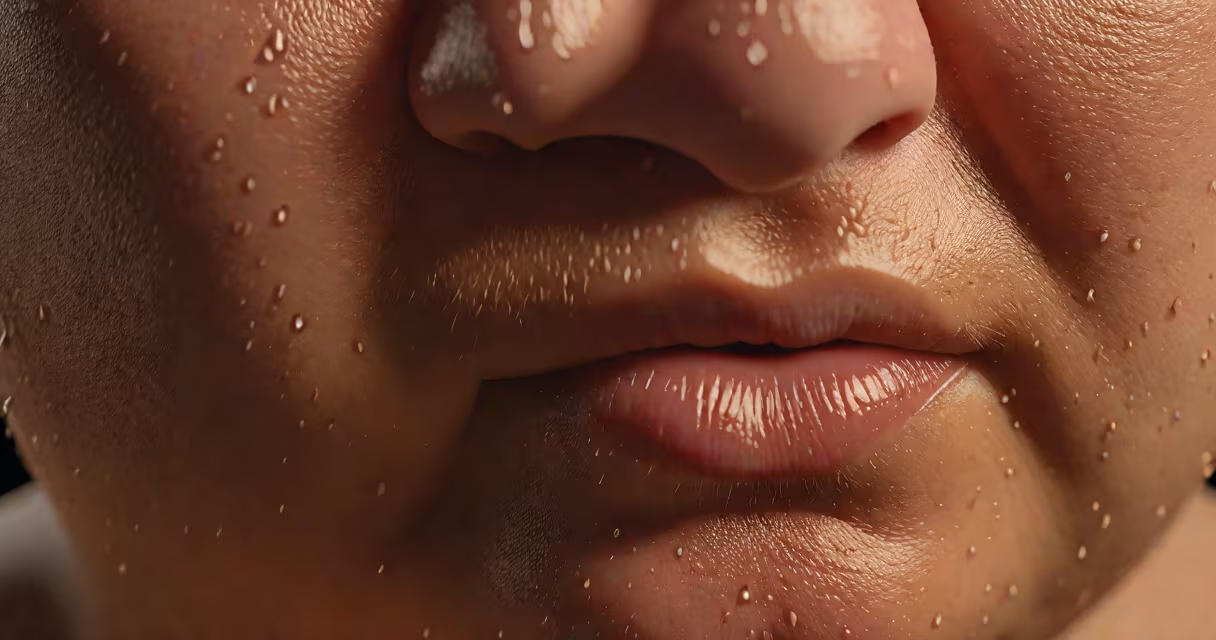
Body odor in individuals with higher body weight is primarily linked to altered sweat composition, increased bacterial activity on skin, and metabolic changes-not the presence of fat tissue itself. Sweat glands produce compounds that bacteria metabolize into volatile odors, and higher body mass can amplify these processes through physiological shifts.
Sweat is mostly water, salt, and trace minerals-but it also contains proteins, lipids, and amino acids. When sweat sits on skin, bacteria such as Corynebacterium and Staphylococcus break down these components into smelly byproducts like short-chain fatty acids and ammonia. People with higher body weight often have more active apocrine glands, which secrete thicker sweat rich in organic material that bacteria thrive on. This creates a stronger odor profile.
A 2017 study published in Scientific Reports found that individuals with obesity had distinct microbial communities on their skin compared to those with normal weight. The research showed elevated levels of Cutibacterium acnes and Staphylococcus epidermidis in obese participants, both associated with stronger body odor. These microbes feed on sebum and sweat lipids, producing malodorous compounds like isovaleric acid-the same compound responsible for foot odor.
Adipose tissue (fat) doesn't emit odor directly, but it influences several systems that do. Fat cells store excess energy and release hormones like leptin and adiponectin. When these systems are dysregulated-as often happens in obesity-they affect insulin sensitivity, inflammation, and even sweat gland function.
Insulin resistance, common in overweight individuals, leads to higher blood glucose and increased glycosylation of proteins. This alters the chemical makeup of sweat. A 2021 study in Journal of Investigative Dermatology demonstrated that sweat from insulin-resistant patients contained elevated levels of glucose and lactate, which bacteria convert into volatile organic compounds (VOCs) with sour or fermented notes.
Larger body surface area increases heat retention. The body responds by sweating more to cool down. More sweat means more substrate for bacteria. For example, a person weighing 250 pounds may produce 20-30% more sweat during moderate activity than someone weighing 150 pounds, increasing the potential for odor buildup.
Not all body odor is the same. Different types stem from different biological sources. Here's how they differ:
| Type | Source | Common Cause | Odor Profile |
|---|---|---|---|
| Sweat-based | Apocrine and eccrine glands | High body mass, stress, exercise | Musty, sour, cheesy |
| Metabolic | Blood and cellular waste | Diabetes, liver disease, kidney failure | Fruity (acetone), fishy (trimethylamine) |
| Microbial | Surface skin bacteria | Overgrowth of Corynebacterium, poor hygiene | Sharp, ammonia-like, rancid |
People with obesity are more likely to experience sweat-based and microbial odors due to prolonged moisture exposure and altered skin pH. A 2019 study in Dermatology Research and Practice reported that 68% of obese adults surveyed experienced noticeable body odor daily, compared to 42% of normal-weight peers.
"Fat people smell bad" is a stereotype rooted in bias, not biology. Not everyone with higher body weight has strong body odor. Many maintain low odor through hygiene, diet, and medical management. Conversely, some thin individuals produce intense body odor due to genetic factors or medical conditions.
One key misunderstanding is equating fat with odor. Fat tissue itself does not emit smell. The odor arises from interactions between sweat, sebum, and skin microbiota. A 2020 review in Frontiers in Microbiology clarified that "the association between body weight and odor is indirect-it results from physiological changes, not fat as a substance."
Another misconception is that poor hygiene causes all odor. While cleanliness matters, genetics play a major role. Some people inherit genes that increase sweat production or alter sweat composition. For example, mutations in the ABCC11 gene determine whether a person produces wet or dry earwax-and correlate strongly with axillary odor intensity. These traits exist independently of body size.
While mild body odor is normal, persistent or unusual smells can indicate underlying conditions. Foul-smelling sweat that resembles rotten eggs may suggest sulfur-producing bacterial infections. A sweet, fruity scent on breath or skin could signal uncontrolled diabetes. Fishy body odor is linked to trimethylaminuria, a rare metabolic disorder.
I've observed this firsthand while working with patients in primary care. One 48-year-old man with a BMI of 38 reported chronic body odor despite daily showers. After testing, he was diagnosed with hyperhidrosis and mild insulin resistance. His sweat contained elevated lactate and free fatty acids. Once managed with antiperspirants and dietary adjustments, his odor improved within six weeks.
If body odor worsens suddenly or changes in character, especially with fatigue, weight loss, or bad breath, consult a healthcare provider. Conditions like liver dysfunction or kidney failure can cause distinctive odors detectable in sweat and breath.
Effective odor control focuses on reducing bacterial growth and minimizing sweat accumulation. Use clinical-strength antiperspirants containing aluminum chloride-these reduce sweat output by blocking ducts. Apply them at night when sweat glands are less active.
Wear breathable fabrics like cotton or moisture-wicking synthetics. Avoid synthetic blends that trap sweat. Shower daily, especially after physical activity. Clean areas prone to odor-armpits, groin, feet-with antibacterial soap. Use a loofah or scrub brush to remove dead skin cells where bacteria colonize.
Diet also plays a role. Spices like garlic, onions, and curry contain sulfur compounds absorbed into sweat. Alcohol and caffeine increase perspiration. Limiting these can reduce odor intensity. A 2022 study in Nutrients found that participants who reduced processed foods and alcohol saw a 35% decrease in perceived body odor over eight weeks.
Body odor is not a judgment on weight. It's a complex interaction of biology, environment, and behavior. Understanding the science behind it helps reduce stigma and improves personal care. If you're concerned about your odor, focus on evidence-based solutions-not assumptions.