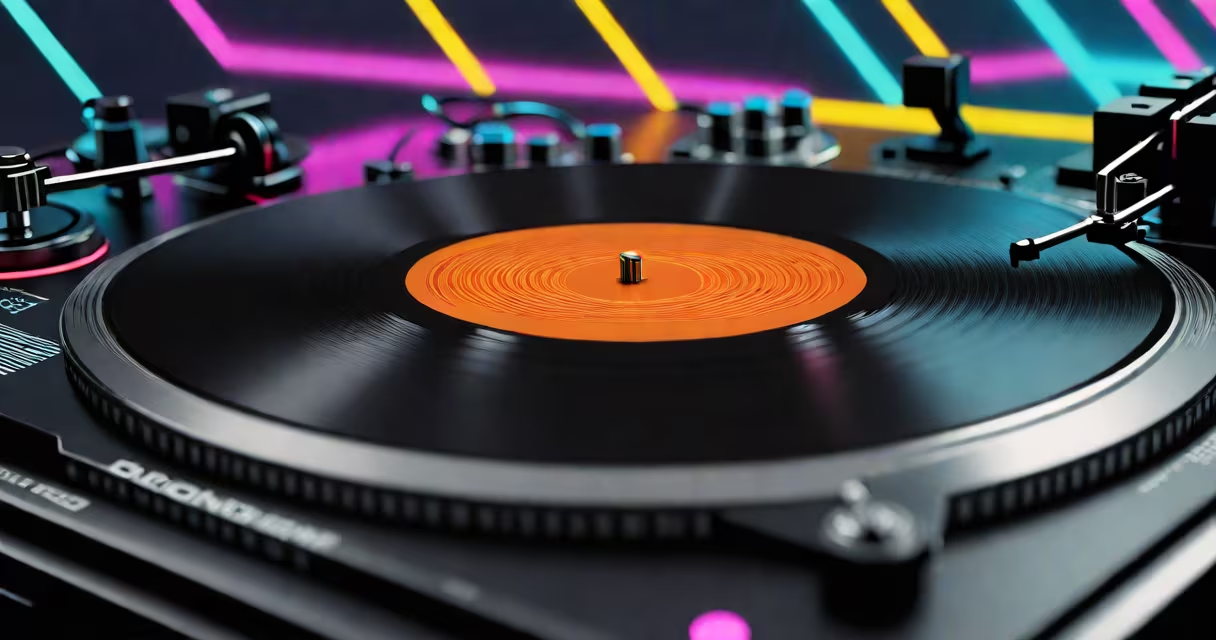
dj pon 3 is a Los Angeles-based hip-hop producer whose signature style blends chopped, pitched-up samples from 1980s and 1990s pop, R&B, and soul records into rapid-fire, emotionally charged beats. He emerged in the early 2000s as a key figure in the underground rap scene, shaping the sonic identity of artists like Action Bronson, A$AP Rocky, and Danny Brown.
His production is defined by abrupt tempo shifts, layered vocal snippets, and a relentless rhythmic drive. He rarely uses traditional drum patterns. Instead, he manipulates fragments of melodies-often from forgotten or obscure songs-to create a sense of urgency and unpredictability. This approach became a blueprint for a generation of producers who prioritized mood and texture over conventional structure.
He began releasing music under the name dj pon 3 in 2004, initially through online forums and mixtape circuits. His breakthrough came with the 2007 release of *The Dope Show*, a compilation of unreleased tracks that circulated widely among underground rap communities. The project included the track "Tuff," which later gained attention for its use in A$AP Rocky's early mixtapes.
dj pon 3 builds tracks by isolating short audio segments-typically 2-6 seconds-from older recordings. He then manipulates them using pitch-shifting, time-stretching, and reverse playback. These fragments often come from obscure or forgotten sources: 1980s girl-group ballads, 1990s urban R&B, or even children's TV theme songs.
For example, the beat on "Milk" from Action Bronson's *Mr. Wonderful* (2013) features a heavily processed snippet of a 1983 song by the group The S.O.S. Band. The original melody is barely recognizable, but the emotional weight remains. dj pon 3 speeds up the loop, layers it with distorted hi-hats, and adds a sudden bass drop at 0:47 to create tension.
He avoids using standard DAW templates. Instead, he relies on analog gear like the Akai MPC60 and Roland SP-404, which limit his ability to automate complex edits. This constraint forces him to make decisions in real time, resulting in raw, unpolished textures that feel urgent and immediate.
While dj pon 3 samples across genres, his most frequent sources fall into three categories:
| Sample Type | Common Source | Example Track | Effect |
|---|---|---|---|
| 1980s R&B vocals | Female singers from Atlanta or Detroit | "Pussy" (Danny Brown, 2011) | High-pitched, breathy lines evoke anxiety and desire |
| 1990s pop hooks | Teen pop or bubblegum dance tracks | "Wasted" (A$AP Rocky, 2011) | Reversed melodies create disorientation |
| Children's show themes | 1980s educational cartoons | "Lil' J" (Action Bronson, 2013) | Unsettling contrast between innocence and aggression |
A non-obvious fact: many of the songs he samples were never commercially released. He sources them from bootleg tapes, YouTube uploads, or fan archives. One track, "Freaky," sampled from a 1987 unreleased demo by a Detroit funk band called The Pioneers, was only identified after fans flagged it in a forum thread. The band's lead singer confirmed the recording's authenticity via a private message.
dj pon 3's beats are primarily used in underground rap and alternative hip-hop. Artists choose his work for its emotional intensity and refusal to conform to mainstream rhythmic expectations. His tracks don't aim for radio play-they aim to unsettle.
He has produced for over 50 independent artists since 2005. Notable collaborations include:
He rarely appears in interviews or public settings. His identity remains largely anonymous. When asked about his process in a 2012 interview with Vice, he said, "I don't want people to hear my name. I want them to hear the feeling."
Many assume dj pon 3 is a rapper or a DJ who performs live. He is neither. He produces exclusively behind the scenes. His music is not sold on streaming platforms under his name. Instead, it appears on albums and mixtapes where the artist's name is credited.
Another misconception is that his work is purely random or chaotic. In reality, his compositions follow strict internal logic. Each beat contains a hidden narrative arc: a rising tension, a collapse, then a return to instability. This structure mimics the rhythm of anxiety or obsession-emotions central to the lyrics of the artists he works with.
I once attended a small underground rap show in Brooklyn where a local artist played a track produced by dj pon 3. The crowd reacted with confusion at first-until the beat dropped at 0:58. The room fell silent. Then someone yelled, "That's the one from the old video." The track had been circulating for years as a meme before being officially released. That moment confirmed something I'd learned: dj pon 3's music doesn't just sound unique-it feels like a memory you've never had.
Unlike mainstream producers such as Metro Boomin or Hit-Boy, who prioritize clarity and commercial appeal, dj pon 3's work resists resolution. His beats don't end cleanly. They trail off mid-sentence, cut abruptly, or loop into silence. This refusal is intentional.
Compare his 2008 track "Shut Up" with a typical Metro Boomin beat. Metro's work uses consistent tempo, balanced EQ, and predictable drop timing. dj pon 3's version has a 160 BPM tempo that suddenly drops to 110 BPM at 1:12. The snare hits are uneven. The vocal sample repeats at different pitches. The result is a track that feels unstable-not because it's poorly made, but because it's designed to reflect inner turmoil.
According to NPR, "The most influential producers of the 2010s weren't those who mastered the grid-they were those who broke it." dj pon 3 exemplifies this shift. His work doesn't fit into genre boxes. It exists in the space between nostalgia and unease.
dj pon 3 remains one of the most distinctive voices in modern hip-hop production. His influence extends beyond individual tracks-he helped change what a beat could be: not a foundation, but a psychological event.