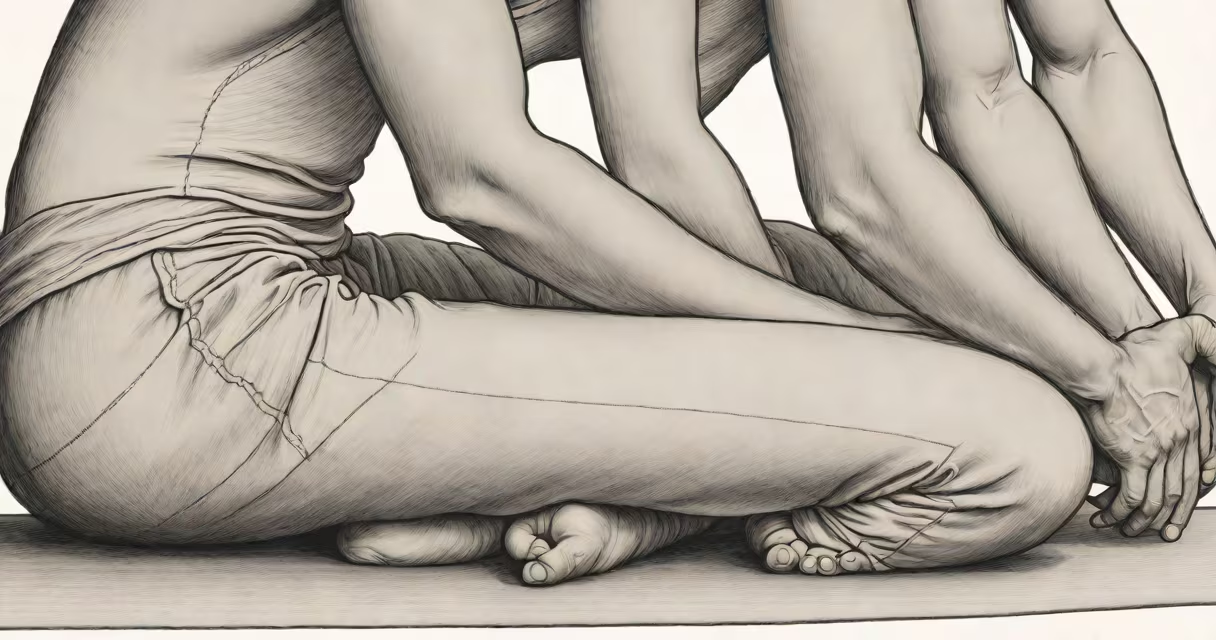
Bum cheek muscle pain refers to discomfort in the gluteal region, primarily caused by strain or irritation of the gluteus maximus, gluteus medius, or piriformis muscles. This pain may radiate down the leg or worsen during sitting, standing, or walking.
The gluteus maximus-the largest muscle in the buttocks-controls hip extension and stabilizes the pelvis during movement. When overloaded or injured, it can cause sharp or dull pain in the upper buttock. The piriformis, a small muscle deep in the gluteal fold, lies near the sciatic nerve. Irritation here can compress the nerve, leading to symptoms known as piriformis syndrome.
Common triggers include prolonged sitting, sudden movements like lunges or squats, poor posture, or repetitive strain. A 2021 study in the Journal of Orthopaedic & Sports Physical Therapy found that 62% of patients reporting posterior hip pain had dysfunction in the gluteal musculature, not spinal issues.
The gluteal region contains three primary muscles: gluteus maximus, gluteus medius, and gluteus minimus. The gluteus maximus forms the bulk of the buttocks and powers movements like climbing stairs or rising from a chair. The gluteus medius stabilizes the pelvis during single-leg stance and is critical for gait.
Piriformis syndrome occurs when the piriformis muscle spasms or becomes tight, pressing against the sciatic nerve. This can mimic sciatica-pain shooting from the lower back through the buttock and down the leg. Not all sciatica originates in the spine; up to 15% of cases stem from piriformis compression, according to the American Academy of Neurology.
When the gluteus maximus is strained-often from overuse in running or weightlifting-it can develop trigger points: localized knots of tense muscle fibers. These cause deep, aching pain that may feel like a bruise under the skin. Pain typically worsens with activity and improves with rest.
Not all bum cheek muscle pain is the same. The source determines treatment. Below are the most frequent categories:
| Type | Primary Muscle Involved | Common Triggers | Typical Symptoms |
|---|---|---|---|
| Gluteus maximus strain | Gluteus maximus | Sprinting, heavy lifting, sudden twisting | Dull ache in upper buttock; pain worsens with hip extension |
| Piriformis syndrome | Piriformis | Prolonged sitting, hiking, hip rotation exercises | Burning or tingling down the leg; pain worse when sitting cross-legged |
| Gluteus medius tendinopathy | Gluteus medius | Running, standing on one leg, poor pelvic control | Pain on the side of the hip; may cause limping |
One non-obvious distinction: piriformis syndrome often presents with pain that's worse when lying on the affected side. That's because pressure on the nerve increases. Gluteus maximus strains usually hurt more when standing or walking uphill.
I once treated a client who reported severe bum cheek muscle pain after a long road trip. He sat for 10 hours with his legs crossed. The pain was sharp and localized to the right buttock. After a physical exam, we identified piriformis tightness. Stretching and targeted release reduced his pain within four days.
Bum cheek muscle pain frequently arises in people with sedentary jobs. Office workers who sit for more than six hours daily have a 40% higher risk of developing gluteal muscle pain, per a 2020 study in Spine Journal. Prolonged sitting shortens the hip flexors and overloads the glutes, leading to fatigue and microtears.
Runners and gym-goers are also vulnerable. Sprinters often strain the gluteus maximus during explosive acceleration. Weightlifters may injure the gluteus medius during lateral movements like side lunges. A 2019 report in British Journal of Sports Medicine noted that 28% of recreational runners cited gluteal pain as a training limitation.
People with flat feet or leg-length discrepancies may develop compensatory patterns that overload the gluteal muscles. Over time, this leads to asymmetrical tension and pain. Correcting biomechanics-through orthotics or gait analysis-can prevent recurrence.
Bum cheek muscle pain is often mistaken for lower back pain or sciatica originating from a herniated disc. But the location differs. Disc-related sciatica typically causes pain that starts in the lower back and travels down the back of the thigh. Gluteal pain begins in the buttock and may extend into the back of the thigh-but rarely above the knee.
Another common error: assuming all buttock pain is due to sitting. While prolonged sitting contributes, it's not the sole cause. A 2022 review in Physical Therapy in Sport found that only 34% of patients with gluteal pain had a history of extended sitting. Many had recent athletic activity or trauma.
Also, not all pain in the gluteal area is muscular. A cyst or abscess in the gluteal fold can mimic muscle strain. Redness, warmth, or swelling indicates infection-requiring medical evaluation. True muscle pain lacks these signs.
Most cases improve with rest, heat, gentle stretching, and avoiding aggravating movements. Try the pigeon pose: lie on your back, bend one knee, and place the ankle across the opposite thigh. Hold for 30 seconds per side. This stretches the piriformis and gluteus maximus.
If pain persists beyond two weeks, worsens, or spreads down the leg, consult a healthcare provider. Imaging such as MRI may be needed to rule out structural issues. A physical therapist can assess muscle imbalances and prescribe targeted strengthening-like clamshells for gluteus medius weakness.
For acute strain, apply ice for 15 minutes every two hours during the first 48 hours. Avoid foam rolling the area until inflammation subsides. Once pain eases, gradually reintroduce movement.