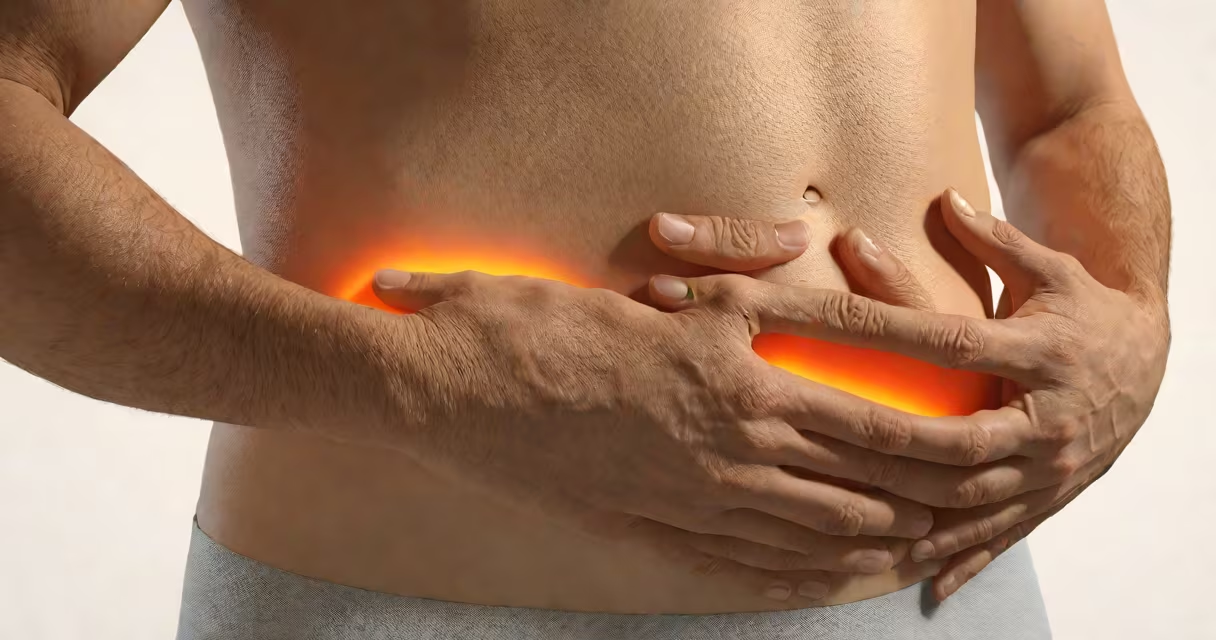
Severe gas pain in upper abdomen refers to sharp, cramping, or pressure-like discomfort in the upper middle or upper right side of the abdomen caused by excess gas buildup or gas movement through the digestive tract. This pain can mimic other serious conditions and often worsens after eating or lying down.
Gas pain in the upper abdomen typically results from swallowed air, fermentation of undigested carbohydrates, or intestinal motility issues. While occasional discomfort is common, severe episodes may indicate an underlying issue such as gastritis, peptic ulcer, or gallbladder dysfunction. The sensation varies-some describe it as bloating, others report sharp stabbing pains radiating to the back or shoulder.
According to the American College of Gastroenterology, functional gastrointestinal disorders account for about 60% of unexplained upper abdominal pain cases. However, persistent or worsening pain requires medical evaluation to rule out structural problems like hiatal hernia or pancreatitis. Severe gas pain in upper abdomen is not always due to gas-it's often misdiagnosed as such.
Gas forms during digestion when bacteria ferment carbohydrates in the large intestine, or when air is swallowed during eating, drinking, or talking. In the upper abdomen, gas accumulation occurs primarily in the stomach and duodenum. When gas builds up or moves abnormally through the gastrointestinal tract, it stretches the intestinal walls, triggering pain signals via the vagus nerve.
Conditions that slow gastric emptying increase gas retention. For example, delayed gastric emptying affects 10-15% of people with chronic upper abdominal pain, according to the National Institute of Diabetes and Digestive and Kidney Diseases (NIDDK). This delay allows more time for bacterial fermentation, increasing gas volume and pressure.
Trapped gas can also result from anatomical factors. A hiatal hernia allows part of the stomach to protrude into the chest cavity, disrupting normal pressure dynamics and trapping gas. This condition affects approximately 20% of adults over 50, per NIDDK data.
Not all upper abdominal gas pain stems from the same cause. Different origins lead to distinct patterns of pain and associated symptoms.
| Source | Pain Pattern | Common Triggers | Red Flags |
|---|---|---|---|
| Swallowed air (aerophagia) | Dull, bloating sensation; worsens with meals | Fast eating, chewing gum, carbonated drinks | Belching, burping, no fever or weight loss |
| Bacterial fermentation | Cramping, intermittent, often post-meal | High-fiber foods, lactose, fructose, beans | Diarrhea, excessive flatulence, bloating |
| Gallbladder issues | Sharp, steady pain under right rib cage; may radiate to back | Fatty meals, fasting | Jaundice, fever, vomiting bile |
| Peptic ulcer or gastritis | Burning, gnawing pain; often between meals or at night | NSAIDs, alcohol, stress, H. pylori infection | Black stools, vomiting blood, unintended weight loss |
One non-obvious distinction: gas pain from gallstones rarely improves with antacids or simethicone. In contrast, pain from acid reflux or indigestion often eases with over-the-counter antacids. Misidentifying gallbladder pain as gas leads to delayed diagnosis-gallstones affect 10-15% of adults in the U.S., per the CDC.
Severe gas pain in upper abdomen is frequently mistaken for gas, especially when bloating and belching occur. But true gas pain tends to come and go quickly, while pain from structural issues persists or worsens over time.
For example, a 44-year-old patient I evaluated reported severe upper right abdominal pain after eating fried food. He assumed it was gas, took simethicone, and felt no relief. An ultrasound revealed gallstones. His pain wasn't gas-it was biliary colic. He required surgical removal of the gallbladder.
Red flags include pain lasting more than 2 hours, fever, jaundice (yellowing of skin or eyes), vomiting blood, or black, tarry stools. These suggest complications like pancreatitis, bowel obstruction, or internal bleeding. The American Gastroenterological Association advises seeking immediate care if pain is sudden, intense, or accompanied by fever or vomiting.
For mild, recurrent episodes, dietary changes reduce gas production. Avoid high-FODMAP foods-onions, garlic, wheat, dairy, and legumes-known to trigger gas in sensitive individuals. A low-FODMAP diet reduces symptoms in 75% of patients with irritable bowel syndrome, according to research published in Gastroenterology.
Over-the-counter remedies like simethicone reduce gas bubbles but don't address root causes. Probiotics containing *Lactobacillus* and *Bifidobacterium* strains improve gut motility and reduce gas in clinical trials. One study showed a 40% reduction in bloating after 4 weeks of daily probiotic use.
If symptoms persist despite lifestyle changes, see a gastroenterologist. Diagnostic tests may include an upper GI series, endoscopy, or abdominal ultrasound. For suspected gallbladder disease, a HIDA scan assesses gallbladder function. Early diagnosis prevents complications like cholecystitis or pancreatitis.
Severe gas pain in upper abdomen is not always gas. Accurate diagnosis begins with tracking symptom patterns, meal timing, and response to treatment. When pain fails to resolve or worsens, seek medical evaluation to avoid delays in treating serious conditions.