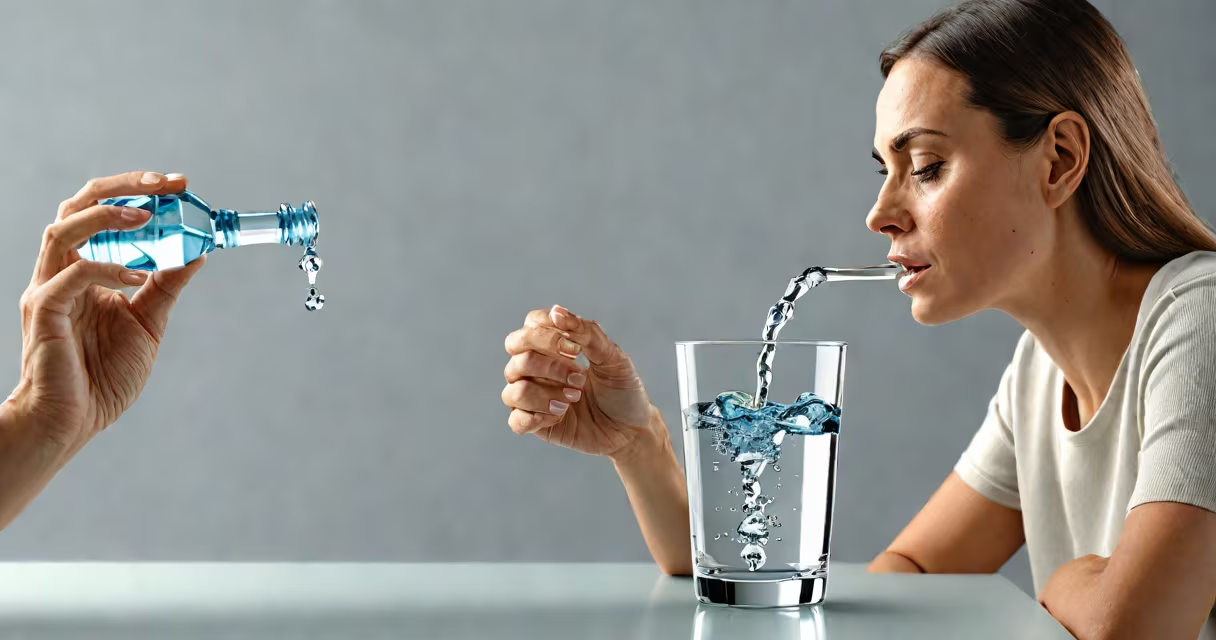
What can help break up kidney stones includes increasing fluid intake, consuming citrate-rich beverages, using medications like alpha-blockers, and undergoing procedures such as shock wave lithotripsy. These approaches reduce stone size, ease passage, or fragment stones for elimination.
Kidney stones form when minerals like calcium and oxalate crystallize in urine. Most stones measure between 4 mm and 6 mm-small enough to pass naturally but often painful. The goal of treatment is to help passage, prevent complications, and reduce recurrence risk.
According to the American Urological Association (AUA), 90% of kidney stones smaller than 5 mm pass spontaneously with conservative management. Larger stones may require intervention. Hydration remains the single most effective strategy across all stone sizes.
When a kidney stone moves from the kidney into the ureter, it triggers intense pain due to muscle contractions and pressure buildup. The ureter's diameter limits passage-typically 6 mm at maximum. Stones under 5 mm have a 90% chance of passing within 4 weeks with adequate hydration.
Citrates, found in lemon juice and orange juice, bind to calcium in urine. This reduces free calcium available to form calcium oxalate stones-the most common type. A 2020 study in the Journal of Urology showed that daily citrate supplementation reduced stone recurrence by 50% over five years.
Alpha-blockers like tamsulosin relax ureter muscles. The AUA guidelines state that tamsulosin increases spontaneous passage rates by 30% compared to placebo, especially for stones between 5 mm and 10 mm.
Interventions fall into three categories: lifestyle changes, medications, and surgical procedures. Each targets different stone sizes and locations.
| Type | Best For | Success Rate | Key Mechanism |
|---|---|---|---|
| Hydration | Stones < 5 mm | 90% | Flushes stones via urine flow |
| Citrate supplements | Recurrent calcium oxalate stones | 50% reduction in recurrence | Binds calcium, prevents crystal formation |
| Tamsulosin | Stones 5-10 mm in ureter | 30% higher passage rate | Relaxes ureter smooth muscle |
| Shock wave lithotripsy (SWL) | Stones 5-20 mm, not passing | 70-80% fragmentation success | Uses focused sound waves to break stones |
For stones larger than 10 mm, SWL or ureteroscopy is typically recommended. Ureteroscopy involves inserting a thin scope into the ureter to remove or fragment stones. Success rates exceed 95% for skilled urologists.
A 2021 randomized trial published in The New England Journal of Medicine found that patients receiving tamsulosin had a median stone passage time of 7 days versus 14 days in the control group. This confirms pharmacological assistance improves outcomes.
Many believe that drinking cranberry juice helps break up kidney stones. This is incorrect. Cranberry juice increases urinary oxalate levels and can promote stone formation. The American Kidney Fund warns against its use in stone prevention.
Another myth is that "natural" remedies like apple cider vinegar or baking soda dissolve stones. There is no clinical evidence supporting this. Apple cider vinegar contains acetic acid, which does not affect calcium-based stones. Baking soda raises urine pH slightly but risks metabolic alkalosis and electrolyte imbalance.
Contrary to popular belief, high-calcium diets do not increase stone risk. In fact, dietary calcium binds oxalate in the gut, reducing its absorption. The National Institutes of Health (NIH) states that low-calcium diets increase stone formation risk by 30% compared to normal intake.
In 2022, a 42-year-old man presented with a 6 mm stone in his left ureter. He reported severe flank pain radiating to the groin. His initial urine output was 800 mL/day. After diagnosis via CT scan, he began drinking 2.5 liters of water daily and took 1 mg of tamsulosin once daily.
Within 10 days, he passed the stone during urination. Follow-up imaging confirmed clearance. His urine volume increased to 2,200 mL/day. He continued citrate supplements and reduced sodium intake to prevent recurrence.
This case illustrates that combining hydration, medication, and dietary adjustments yields measurable results. The patient avoided surgery and experienced complete resolution.
Seek immediate care if you experience fever above 38°C (100.4°F), inability to urinate, or vomiting with pain. These signs indicate infection or obstruction requiring urgent intervention.
Stones larger than 10 mm rarely pass without intervention. The AUA recommends evaluation by a urologist for stones exceeding 8 mm. Delayed treatment increases risk of kidney damage and chronic pain.
For those with recurrent stones, a 24-hour urine collection test identifies metabolic causes-such as hypercalciuria or hypocitraturia. Correcting these imbalances reduces recurrence by up to 70%, according to the NIH.
What can help break up kidney stones includes consistent hydration, citrate supplementation, tamsulosin for ureteral stones, and medical procedures like shock wave lithotripsy. Lifestyle changes and targeted medications improve outcomes. Avoid unproven remedies and seek professional guidance for stones over 5 mm or persistent symptoms.