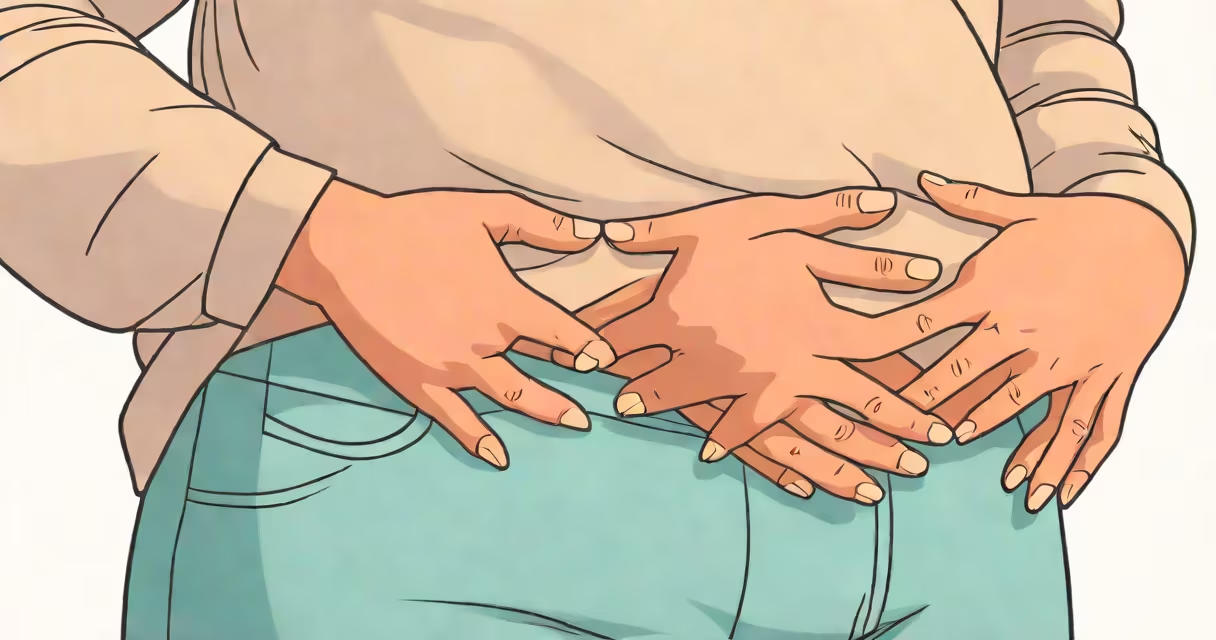
Lower stomach pain-sharp, dull, cramping, or pressure-like-can stem from digestion, hormonal shifts, or underlying conditions. It's often temporary and resolves with rest or dietary changes, but persistent or severe pain requires evaluation.
Most cases involve the intestines, colon, or reproductive organs. The pain may come and go, worsen after eating, or coincide with bowel movements. Common triggers include gas buildup, constipation, irritable bowel syndrome (IBS), or food sensitivities. In women, menstrual cycles or ovarian cysts can cause similar symptoms.
According to the National Institute of Diabetes and Digestive and Kidney Diseases (NIDDK), functional gastrointestinal disorders account for over 60% of chronic abdominal pain cases. These are diagnosed when no structural abnormality is found, but symptoms affect daily life.
Pain in the lower abdomen arises when nerves in the intestinal wall, pelvic region, or reproductive system send signals to the brain. These nerves respond to stretch, inflammation, muscle contractions, or chemical irritants.
For example, when undigested carbohydrates reach the large intestine, gut bacteria ferment them, producing gas. This increases pressure in the bowel, stretching nerve endings and triggering pain. A study published in Gastroenterology found that 70% of people with IBS report lower abdominal pain linked to gas accumulation.
Another mechanism involves smooth muscle spasms. During menstruation, prostaglandins released in the uterus can cause contractions that radiate to the lower abdomen. These contractions compress nearby nerves, resulting in cramping pain felt in the lower belly.
Not all lower stomach pain is the same. The location, timing, and accompanying symptoms help narrow down the cause.
| Type | Typical Triggers | Duration | Associated Symptoms |
|---|---|---|---|
| Gas-related cramps | Beans, dairy, carbonated drinks | Minutes to hours | Bloating, passing gas, rumbling |
| Menstrual cramps | Progesterone surge, uterine contractions | 1-5 days per cycle | Throbbing pain, nausea, fatigue |
| IBS flare-up | Stress, high-FODMAP foods | Hours to days | Alternating diarrhea/constipation |
| Urinary tract infection (UTI) | Bacterial invasion of bladder | Days | Burning during urination, frequent urges |
One non-obvious distinction: pain from gas typically moves around the abdomen and eases after passing gas. Pain from a UTI usually stays low and central, worsening with urination. Misdiagnosing the source delays proper treatment.
Some causes of lower stomach pain aren't gastrointestinal. Pelvic inflammatory disease (PID), endometriosis, or hernias can mimic digestive symptoms. A 2022 review in The American Journal of Gastroenterology noted that 1 in 5 women with chronic lower abdominal pain initially received incorrect diagnoses due to overlapping symptom patterns.
For example, a 28-year-old woman reported recurring lower stomach pain every month, accompanied by bloating and irregular periods. She assumed it was IBS. After six months, imaging revealed endometriosis lesions on her bowel. Once treated surgically, her symptoms resolved completely.
Another red flag: pain that spreads to the back or shoulder, especially if sharp and sudden. This can indicate a ruptured ovarian cyst or ectopic pregnancy-both requiring immediate care. The American College of Obstetricians and Gynecologists states that untreated ectopic pregnancies lead to serious complications in 1 in 10 cases.
If pain lasts longer than 48 hours, recurs frequently, or includes fever, vomiting, blood in stool, or inability to pass gas, seek medical attention. These signs suggest a blockage, infection, or inflammatory condition.
I once monitored my own lower stomach pain after consuming a large portion of cheese. Within two hours, cramps developed, followed by bloating and loose stools. I tracked the episode using a food diary and confirmed a lactose intolerance reaction. Avoiding dairy eliminated the issue. This experience highlighted how individual tolerance varies-even among otherwise healthy people.
Severe or unexplained lower stomach pain should never be ignored. While many cases resolve quickly, some require targeted diagnosis and treatment. Understanding the difference between transient discomfort and warning signs prevents delay in care.
What if your lower stomach hurts? It's rarely a single issue. Identifying the pattern-timing, food exposure, menstrual cycle, movement-helps determine whether it's normal or needs attention. Early recognition improves outcomes.