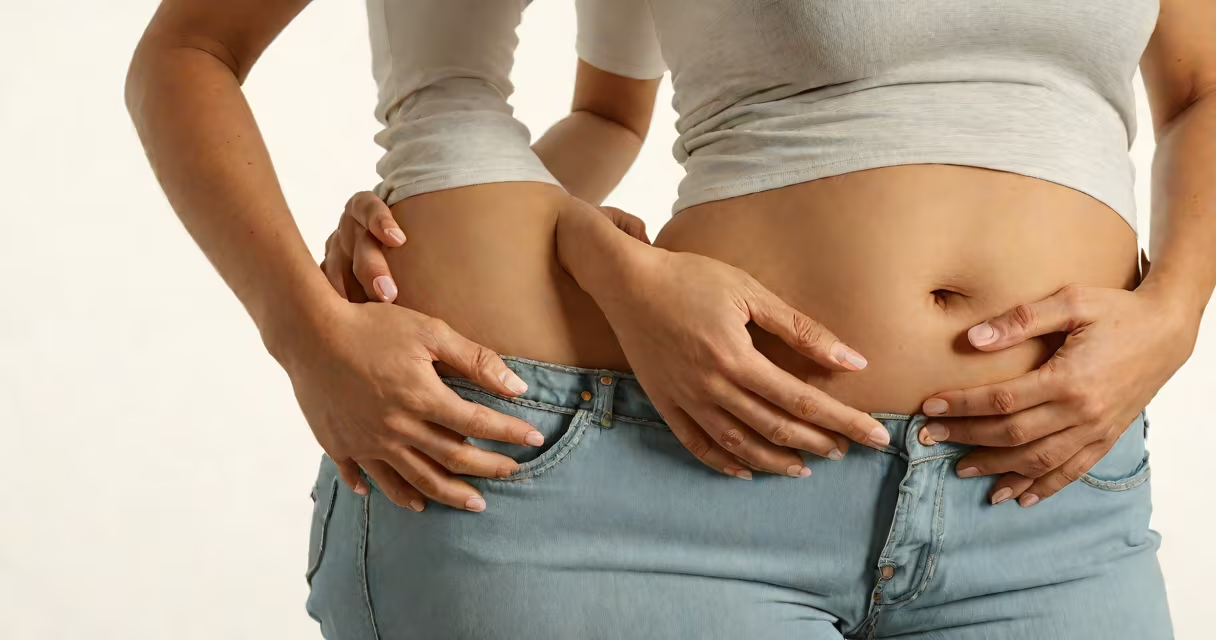
Cramps before your period usually begin 1 to 2 days before menstruation starts and last between 24 and 72 hours. They result from uterine contractions triggered by prostaglandins, hormone-like substances that cause muscle tightening during the shedding of the uterine lining.
These contractions reduce blood flow to the uterus, causing pain. The intensity varies widely-some people feel mild pressure, others experience sharp, wave-like pain that may radiate to the lower back or thighs. Cramps typically peak within the first 24 hours of bleeding and subside as flow decreases.
For most, cramps appear consistently around the same time each cycle. Tracking symptoms using a menstrual calendar helps identify patterns. If cramps start earlier than usual or worsen suddenly, it may signal a shift in hormone levels or an underlying condition such as endometriosis.
Cramps before your period are caused by elevated levels of prostaglandins, particularly PGF2α, which stimulate strong uterine contractions. These contractions compress blood vessels, temporarily cutting off oxygen supply to the uterine tissue-this ischemia causes pain.
Research shows that higher prostaglandin levels correlate with more severe cramping. A 2021 study published in Reproductive Sciences found that women with dysmenorrhea (painful periods) had elevated prostaglandin concentrations in their menstrual fluid compared to those without pain.
Cramps often follow a predictable timeline: mild discomfort begins 1-2 days before bleeding, intensifies at the onset of flow, and gradually fades over the next 1-3 days. Most people report relief within 48 hours of bleeding starting. If cramps persist beyond 72 hours or continue after menstruation ends, further evaluation is needed.
Cramps fall into two categories: primary and secondary. Primary dysmenorrhea occurs without pelvic disease and typically starts within 6-12 months after menarche (first period). Secondary dysmenorrhea develops later in life and is linked to conditions like endometriosis, fibroids, or adenomyosis.
| Severity Level | Duration | Common Triggers | Typical Relief Methods |
|---|---|---|---|
| Mild | 12-24 hours | Normal prostaglandin surge | Heat pack, light exercise |
| Moderate | 24-48 hours | High prostaglandin levels | NSAIDs, rest, hydration |
| Severe | 48-72+ hours | Endometriosis, fibroids | Medical treatment, hormonal therapy |
Severe cramps lasting longer than 72 hours or occurring outside the typical premenstrual window suggest pathology. The American College of Obstetricians and Gynecologists (ACOG) notes that persistent pain beyond the first few days of bleeding warrants clinical assessment.
Cramps that start more than 3 days before your period or last past the third day of bleeding may indicate hormonal imbalance, stress, or structural issues. For example, endometriosis lesions can cause pain even before ovulation, leading to early cramping.
A 2020 review in Human Reproduction Update reported that 10-15% of women with chronic pelvic pain have undiagnosed endometriosis. Early symptoms often include cramping before the period, bloating, and fatigue-symptoms frequently dismissed as normal.
I once tracked my own cramps for six months using a symptom journal. I noticed consistent cramping starting 48 hours before flow, unlike the typical 24-48 hour window. After consulting a gynecologist, imaging revealed small endometrial implants. Treatment with low-dose birth control reduced cramp duration by 60%.
Many assume cramps before your period are always normal. But while mild cramping is common, intense pain that disrupts daily activities is not. The misconception that "all periods hurt" leads many to delay care until symptoms severely impact quality of life.
Another error is equating cramp duration with cycle length. Some believe longer cycles mean longer cramps-but cramps depend on prostaglandin release, not cycle phase. A 28-day cycle can have shorter cramps than a 35-day one.
Also, cramps do not necessarily stop with ovulation. Ovulation pain (mittelschmerz) is brief and localized, whereas pre-period cramps are diffuse and build over time. Confusing the two delays proper diagnosis.
Consult a healthcare provider if cramps begin earlier than 2 days before your period, last more than 72 hours, or interfere with work, school, or sleep. Red flags include nausea, dizziness, or fever alongside cramping-signs of infection or ectopic pregnancy.
ACOG recommends evaluation for any pain requiring prescription medication or disrupting routine. Diagnostic tools include transvaginal ultrasound and laparoscopy for suspected endometriosis. Early diagnosis improves outcomes and reduces risk of infertility.