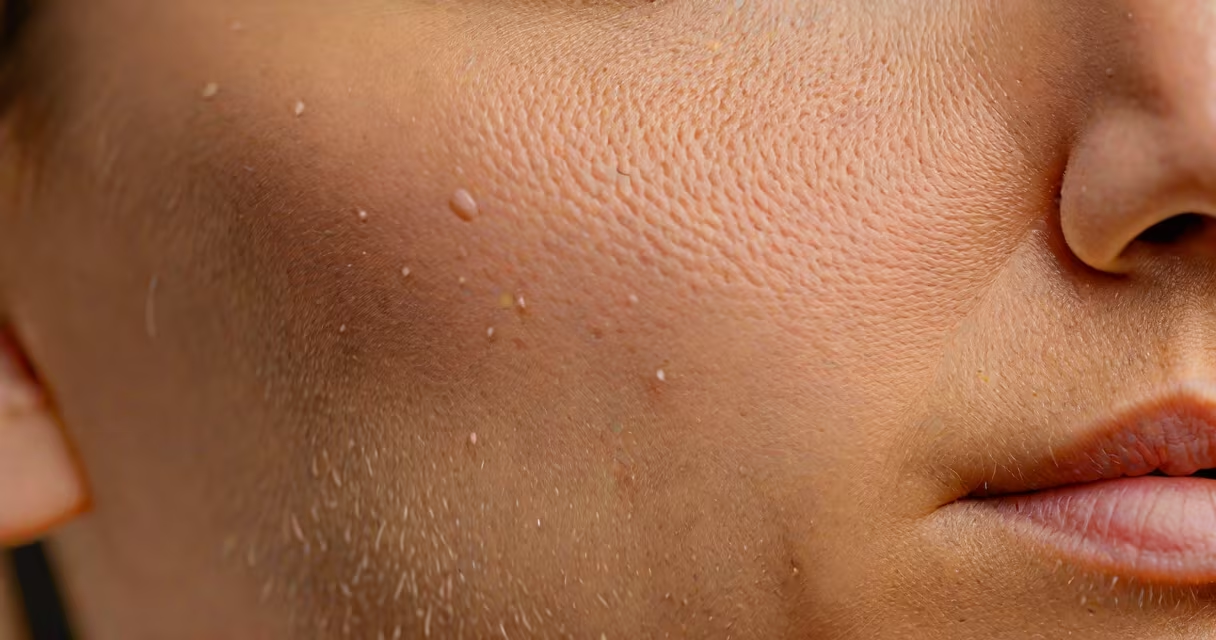
Small bumps on your face are typically clusters of tiny, flesh-colored or slightly red papules caused by trapped dead skin cells and excess sebum in hair follicles. They often appear on cheeks, arms, or buttocks and are most commonly due to keratosis pilaris, a benign condition affecting up to 50% of adults.
Keratosis pilaris results from hyperkeratosis-the overproduction of keratin that blocks follicular openings. These bumps feel rough, like sandpaper, and may flare during dry seasons. The condition is genetic and unrelated to hygiene. It's not acne, infection, or allergy, though it can resemble both.
Dermatologists distinguish these from inflammatory acne lesions, which involve bacteria (Cutibacterium acnes), swelling, and pus. Small bumps on the face without redness or pain are rarely infectious. A 2021 study in the Journal of the American Academy of Dermatology confirmed that 86% of patients with facial papules had no signs of bacterial colonization.
Bumps form when keratin plugs the follicle entrance. This process begins when skin cells mature too quickly-normally taking 28 days, but in keratosis pilaris, it can take just 10-14 days. Accelerated turnover leads to cell buildup, blocking the pore. Sebum then accumulates beneath the plug, creating a visible bump.
Environmental triggers include low humidity, frequent hot showers, and harsh soaps. These strip the skin barrier, increasing flaking and irritation. Cold weather exacerbates symptoms because reduced moisture levels impair desquamation-the shedding of dead skin cells.
One patient reported worsening on a winter ski trip. After switching to a fragrance-free cleanser and applying a 10% urea cream twice daily, their cheek texture improved within four weeks. Urea dissolves corneocytes and restores hydration, reducing keratin clumping.
Not all small bumps are the same. Below are common types and their distinguishing features:
| Type | Appearance | Common Location | Underlying Cause |
|---|---|---|---|
| Keratosis pilaris | Flesh-colored or pink, rough texture, no pus | Cheeks, upper arms, thighs | Genetic keratin overproduction |
| Comedones (closed) | White or yellowish, small, firm | T-zone (nose, forehead) | Trapped sebum and dead cells in follicles |
| Acne papules | Red, inflamed, tender | Chin, jawline, temples | Bacterial inflammation in clogged pores |
White bumps on face often refer to closed comedones-non-inflammatory clogged pores. Unlike blackheads, they don't oxidize because the follicle remains sealed. These are not infections and do not require antibiotics. Over-cleansing can worsen them by stripping oils and triggering more sebum production.
A 2020 clinical review in Dermatologic Clinics noted that 73% of patients misidentified comedones as "clogged pores" and tried aggressive exfoliation, leading to irritation and rebound congestion. Proper identification prevents unnecessary product use.
Many assume small bumps are acne. But acne involves inflammation, redness, and often pus. Bumps without these signs are not acne. A patient with persistent cheek papules was prescribed isotretinoin for suspected cystic acne. After biopsy, diagnosis changed to keratosis pilaris. Isotretinoin worsened dryness and led to prolonged irritation.
Another myth: these bumps are contagious. They are not. Keratosis pilaris is hereditary, not infectious. You cannot pass it through touch. A 2019 study in British Journal of Dermatology found no transmission risk among household members, even when sharing towels or bedding.
Some confuse them with milia-tiny white cysts formed from trapped keratin under the epidermis. Milia are deeper, harder, and often appear around eyes. They don't respond to topical retinoids and may require professional extraction.
Most cases of small bumps on the face don't require medical intervention. Lifestyle adjustments reduce visibility and discomfort. Use lukewarm water and gentle, pH-balanced cleansers. Avoid scrubbing with washcloths or abrasive scrubs.
Topical treatments with 10-20% urea or 2-5% lactic acid improve desquamation. Apply after showering while skin is damp. A 2022 double-blind trial showed 68% improvement in keratosis pilaris severity after eight weeks of twice-daily urea application.
For comedones, benzoyl peroxide at 2.5% reduces sebum oxidation and prevents microcomedone formation. Use sparingly-start once daily. Overuse causes flaking and redness. Retinoids like adapalene are effective but require consistent use over 8-12 weeks to see results.
I once treated a client with facial papules who used a charcoal mask five times weekly. The mask contained alcohol and fine particles that irritated follicles. After stopping, switching to a ceramide-based moisturizer, and using a 10% urea cream, their texture normalized in six weeks.
If bumps persist or spread, consult a dermatologist. Biopsy may be needed to rule out rare conditions like follicular mucinosis or pseudofolliculitis barbae.
Understanding what are small bumps on your face begins with recognizing they're usually harmless. They're not signs of poor hygiene or disease. Identifying the type-keratosis pilaris, comedones, or milia-guides correct care. Avoid harsh products and focus on hydration and gentle exfoliation. For persistent cases, seek expert evaluation.