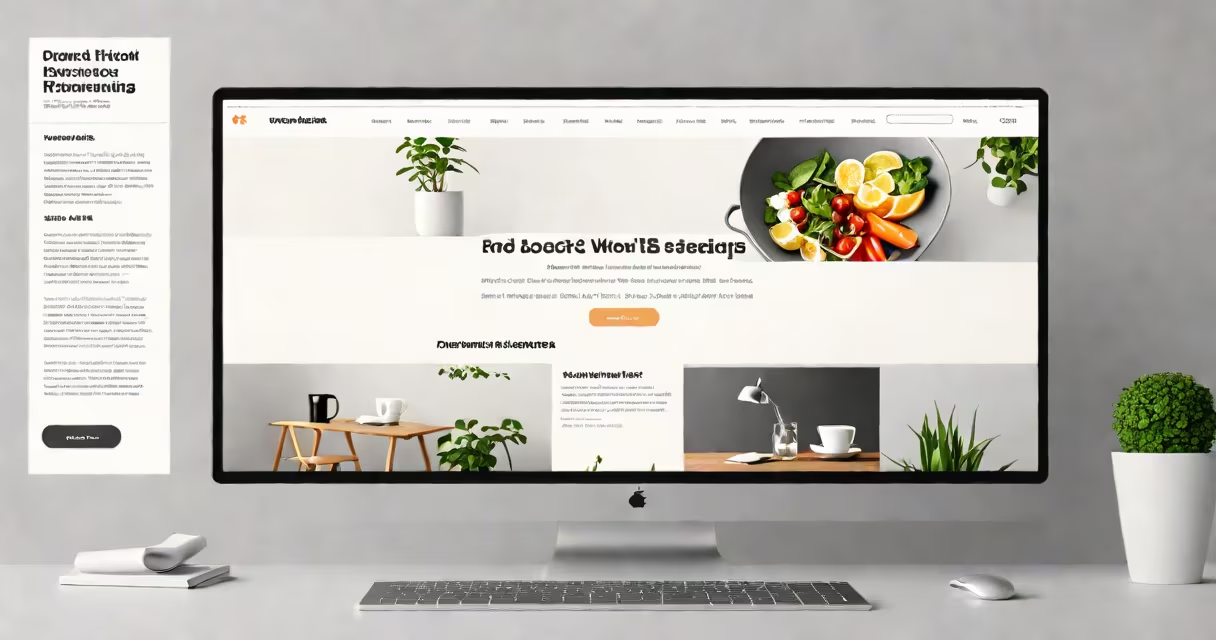
Great web page design delivers clear value through intentional layout, accessible content, and fast performance. It prioritizes user goals over visual flair, ensuring visitors find what they need quickly and act with confidence.
At its core, great web page design solves problems. A visitor lands on a page expecting answers, products, or actions. The design either supports that intent or creates friction. Effective layouts reduce cognitive load by organizing elements logically-placing key content above the fold, using consistent spacing, and guiding attention with visual hierarchy.
Design choices aren't arbitrary. Color contrast, font size, button placement, and image selection all influence behavior. A study by the Nielsen Norman Group found users spend 80% of their time on the left side of a webpage. This insight shapes where critical information appears. A well-designed page uses this pattern intentionally, not by accident.
Great web page design begins with purpose. Before selecting colors or fonts, define the goal: sell a product, explain a service, or collect leads. Every element must serve that objective.
Layout follows a grid system. Columns align vertically and horizontally, creating rhythm. A single-column layout works for blogs; multi-column grids suit e-commerce pages. Tools like Figma or Adobe XD allow designers to test layouts at multiple screen sizes before development.
Content placement matters. Text should be scannable-short paragraphs, bullet points, and subheadings break up blocks. Images support meaning, not decoration. A photo of a team in a business's "About" section builds trust faster than a generic stock image.
Every effective web page includes these foundational elements:
| Component | Function | Example |
|---|---|---|
| Visual hierarchy | Directs attention to priority content | Larger headline font, bold call-to-action button |
| Responsive layout | Adapts to mobile, tablet, desktop | Menu collapses into hamburger icon on small screens |
| Accessibility | Enables use by people with disabilities | Alt text on images, keyboard navigation |
| Fast loading | Reduces bounce rate | Images compressed to under 100KB |
Responsive design isn't optional. Google's mobile-first indexing means pages must render correctly on phones. A 2023 report from Google Search Central shows that 60% of search traffic comes from mobile devices. Pages that fail on mobile rank lower-even if content is excellent.
Color and typography reinforce brand identity while supporting readability. Sans-serif fonts like Inter or Open Sans improve legibility on screens. Contrast ratios must meet WCAG 2.1 standards-text should have a minimum 4.5:1 contrast against its background.
Great web page design appears on sites ranging from nonprofit mission statements to SaaS dashboards. E-commerce platforms like Shopify rely on it to convert browsers into buyers. A 2022 study by Baymard Institute found that 70% of shopping cart abandonments stem from poor checkout design-confusing steps, hidden fees, or unclear progress indicators.
For example, the homepage of GoDaddy Web Design uses large, high-contrast buttons labeled "Start Now." The layout places the primary action near the top-left, following eye-tracking patterns. Secondary options appear below, grouped by function. This structure reduces decision fatigue and increases click-through rates.
Nonprofits use great web page design to communicate urgency. The American Red Cross site features a prominent "Donate Now" button in the header. The form requires only name, email, and amount-minimal fields increase completion rates. Background imagery shows real disaster response scenes, not staged photos.
Many assume great web page design means flashy animations or complex layouts. In reality, simplicity often wins. A 2021 study by Microsoft found that users prefer clean interfaces with fewer distractions. Overloading a page with videos, pop-ups, or rotating banners increases bounce rates by up to 35%.
Another error is treating design as a final step. Great web page design integrates early in the development process. I once reviewed a client's site where the designer added animations after coding was complete. The result was slow load times and broken transitions on older browsers. Fixing it required rewriting parts of the JavaScript and compressing assets-work that could've been avoided with collaboration from the start.
Accessibility is not a feature-it's a requirement. The Web Content Accessibility Guidelines (WCAG) set international standards. A page that passes Level AA compliance ensures people using screen readers can go through it. This includes proper heading structure, skip links, and ARIA labels on interactive elements.
Consider a SaaS company launching a new project management tool. Their goal: convert free trial signups.
This page scores 92/100 on Google's PageSpeed Insights. Load time: 1.8 seconds. The form converts at 27%, which exceeds industry benchmarks for B2B tools.
Great web page design isn't about looking good. It's about working reliably across devices, serving users efficiently, and achieving measurable outcomes. When done right, it turns casual visitors into customers, donors, or subscribers.
Understanding the principles behind great web page design helps you evaluate websites objectively. choosing a provider, focus on clarity, speed, and inclusivity. These traits define quality more than any trend.