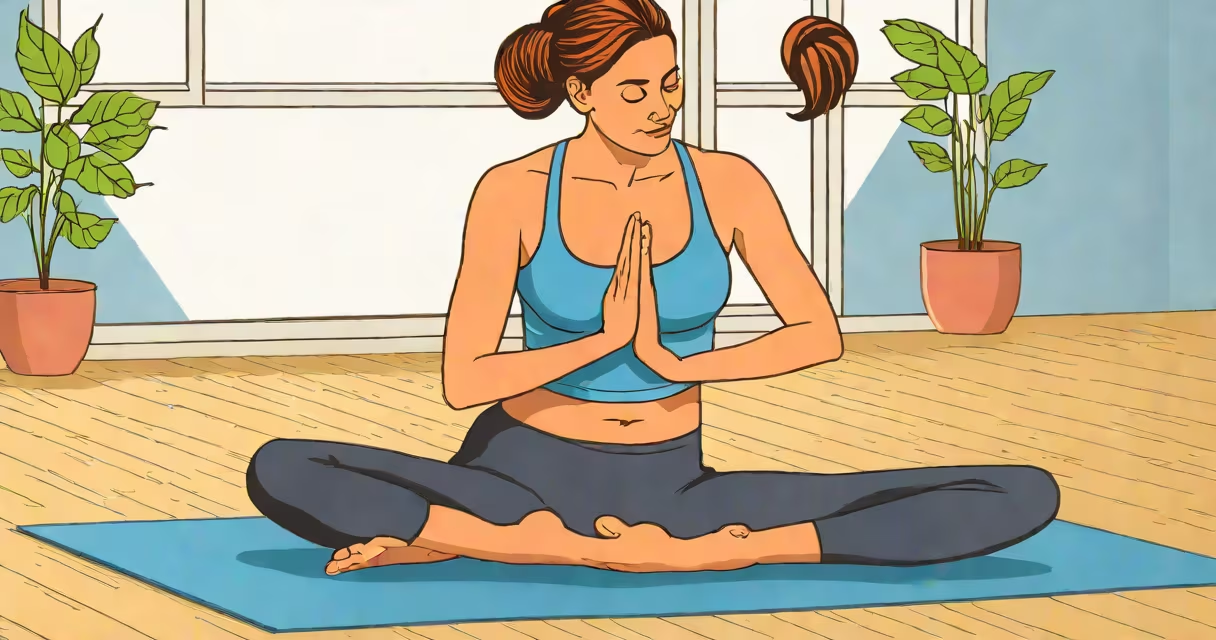
Exercise for back pain refers to targeted physical activities designed to reduce discomfort, improve posture, and strengthen muscles supporting the spine. These movements are clinically validated to address both acute and chronic lower back pain without surgery or medication.
Back pain affects about 80% of adults at some point in life, according to the American College of Physicians. Exercise is the most effective non-drug treatment for persistent back pain, with research showing it reduces pain intensity by 30-50% over 6 weeks. The goal is not to eliminate pain entirely but to restore function and prevent recurrence.
Effective exercise for back pain focuses on stability, flexibility, and controlled movement. It avoids high-impact motions like jumping or twisting under load. Instead, it emphasizes low-resistance, repetitive actions performed with proper form. Examples include pelvic tilts, bird-dogs, and standing marches-all proven in randomized trials to improve outcomes.
Chronic back pain often stems from muscle imbalances, poor posture, or reduced neuromuscular control. When core and gluteal muscles weaken, the spine bears more stress during daily tasks. Exercise restores balance by activating dormant stabilizers and improving joint awareness.
A 2021 study published in JAMA Internal Medicine found that patients who completed a 12-week program of supervised back-specific exercises reported less pain and better ability to perform daily activities compared to those who received standard care. The improvements were sustained at 12 months, demonstrating long-term benefit.
Neurological adaptation plays a key role. Repeated practice of correct movement patterns strengthens neural pathways that coordinate muscle firing. This reduces compensatory movements that strain the lower back. For example, learning to engage the transverse abdominis during lifting prevents excessive lumbar flexion.
Not all exercises are equal. The most effective ones fall into three categories: stabilization, stretching, and aerobic conditioning. Each targets different aspects of back health.
| Type | Examples | Benefits | Frequency |
|---|---|---|---|
| Stabilization | Pelvic tilt, dead bug, bridge | Strengthens deep core muscles; improves spinal alignment | 5-10 reps, 2x/day |
| Stretching | Seated forward bend, knee-to-chest, cat-cow | Reduces muscle tension; increases range of motion | Hold 30 seconds, 2x/day |
| Aerobic | Walking, swimming, stationary cycling | Improves blood flow; supports tissue healing | 20-30 minutes, 3-5 days/week |
Stabilization exercises are foundational. They train the body to maintain neutral spine position during functional tasks. A 2019 Cochrane review concluded that motor control training-focusing on isolated activation of deep abdominal muscles-leads to greater pain reduction than general fitness programs.
Stretching should be changing before activity and static after. Holding a stretch for 30 seconds allows muscle spindles to reset, reducing resistance to lengthening. Avoid bouncing or forcing positions-this increases injury risk.
Aerobic exercise boosts circulation to spinal tissues. Blood delivers oxygen and removes waste products. A 2020 study in Spine Journal showed that participants who walked 30 minutes daily had 40% lower recurrence rates over 18 months compared to sedentary peers.
Many people assume that rest is best for back pain. But prolonged inactivity leads to deconditioning. Muscles atrophy, joints stiffen, and pain worsens. The National Institute of Neurological Disorders and Stroke confirms that bed rest beyond 48 hours offers no benefit and may delay recovery.
Another error is doing sit-ups or toe-touches. These increase lumbar flexion under load-exactly what the spine should avoid. A single sit-up can raise intradiscal pressure to 120 mmHg, nearly double the pressure during standing. This increases disc herniation risk.
Some believe that "strong abs" prevent back pain. While core strength matters, it's not about bulk. A 2022 study in Physical Therapy found that individuals with high abdominal muscle mass but poor coordination still experienced frequent flare-ups. The key is timing-not size.
One non-obvious fact: exercise for back pain works best when done consistently over time. A single session provides minimal benefit. The cumulative effect begins around week 3 and peaks at 6-8 weeks. Patients who stop after two weeks report no improvement, even if they felt temporary relief.
Consider Maria, a 42-year-old office worker with chronic lower back pain. She experiences stiffness after sitting for more than 30 minutes. Her doctor recommends starting with a home-based routine using exercise for back pain.
She begins with three sessions per week: 10 minutes of pelvic tilts (lying on her back, knees bent, gently rocking pelvis backward and forward), followed by 5 minutes of seated forward bends (reaching toward toes while keeping spine straight).
After two weeks, she adds walking for 15 minutes after work. By week 6, she incorporates the bird-dog: on hands and knees, extending opposite arm and leg while maintaining a flat back. She performs 2 sets of 8 reps per side.
After eight weeks, Maria reports a 60% decrease in pain during work hours. She can stand for longer periods and no longer needs anti-inflammatory medication. Her physical therapist notes improved hip and thoracic mobility during follow-up testing.
This outcome aligns with clinical guidelines from the American Physical Therapy Association, which recommend progressive loading and task-specific training for long-term success.
Not all back pain responds to self-directed exercise. Seek evaluation if pain radiates down the leg, causes numbness or weakness, or persists beyond six weeks despite consistent effort. These signs may indicate nerve compression or structural issues requiring imaging or specialist care.
For individuals with existing lower back conditions, such as degenerative disc disease or spondylolisthesis, exercise must be individualized. A physical therapist can design a program that avoids aggravating movements while promoting recovery.
Exercise for back pain is not a one-size-fits-all solution. It requires consistency, correct form, and attention to symptoms. When applied properly, it becomes a sustainable tool for managing pain and reclaiming movement.
Research shows that people who engage in regular, guided exercise for back pain experience fewer missed workdays and lower healthcare costs. The benefits extend beyond symptom relief-they support independence and quality of life.
Start small. Focus on form. Build slowly. Exercise for back pain is not about pushing through pain-it's about restoring function through repetition, precision, and patience.