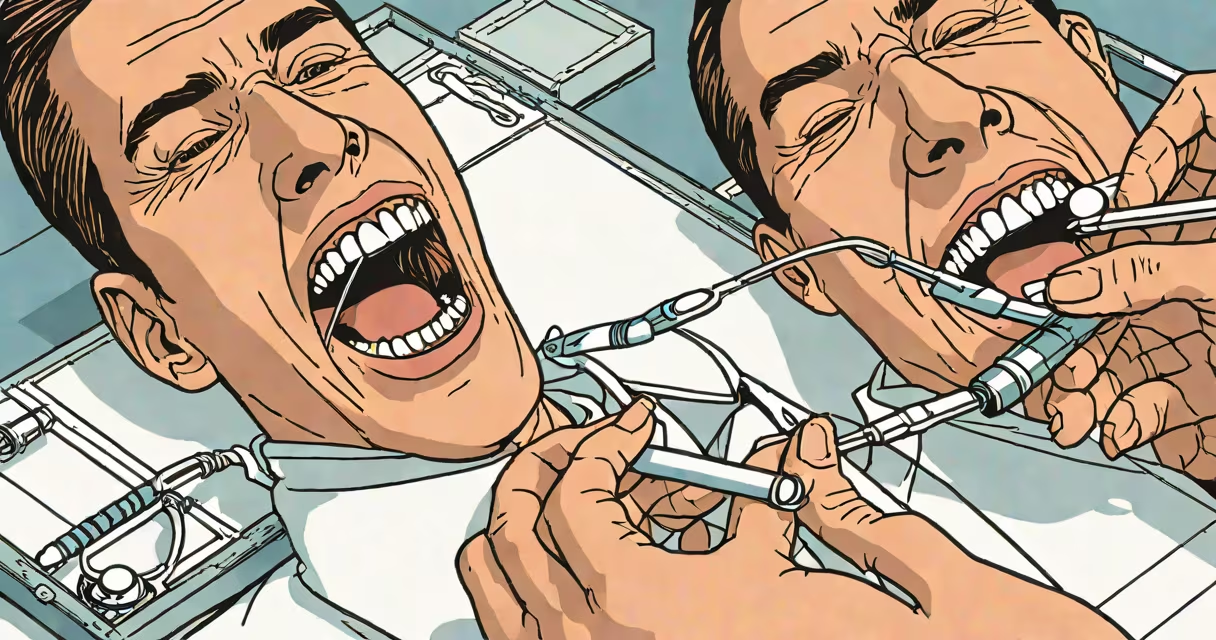
Swollen gum tooth extraction is a dental procedure to remove a tooth when the surrounding gum tissue is severely inflamed due to infection, often caused by advanced decay, periodontal disease, or impacted wisdom teeth. The swelling indicates active infection that may spread if left untreated.
This procedure is performed under local anesthesia. The dentist accesses the tooth through the swollen gum tissue, loosens it with instruments, and extracts it. After removal, the area is cleaned, and stitches may be placed to promote healing. Recovery typically takes 3-7 days, during which patients manage pain and prevent dry socket.
According to the American Dental Association (ADA), untreated dental infections can lead to systemic complications such as sepsis or endocarditis. Swollen gum tooth extraction is recommended when conservative treatments like antibiotics or root canal therapy fail to resolve the issue. The goal is to eliminate the source of infection and restore oral health.
Dentists assess the extent of swelling using clinical exams and imaging. A panoramic X-ray or cone-beam CT scan identifies whether the tooth is impacted, fractured, or deeply infected. If the infection has formed an abscess-a pus-filled pocket-the risk of spreading increases.
The extraction process begins with numbing the area. The dentist uses forceps and elevators to loosen the tooth. For impacted teeth, a small incision may be made in the gum, and bone may be removed to access the tooth. Once extracted, the socket is irrigated with saline to clear debris and bacteria.
Post-extraction care includes biting down on gauze to control bleeding, avoiding straws and smoking to prevent dry socket, and taking prescribed antibiotics and pain medication. Failure to follow instructions raises the risk of complications.
Swollen gum tooth extraction most commonly results from three conditions: advanced periodontal disease, irreversible pulpitis, and impacted wisdom teeth. Each has distinct triggers and outcomes.
| Type | Common Cause | Typical Tooth Involved | Prevalence |
|---|---|---|---|
| Periodontal infection | Bacterial buildup leading to gum recession and bone loss | Molars and premolars | 47% of adults aged 30+ have some form (CDC, 2022) |
| Pulpal abscess | Tooth decay reaching the nerve, causing internal infection | Front teeth, molars | Approximately 1 in 6 adults report toothache annually (NIDCR) |
| Impacted wisdom tooth | Third molar trapped beneath gum or bone | Lower third molar | 85% of people develop at least one impacted wisdom tooth (Journal of Oral and Maxillofacial Surgery) |
For example, a 24-year-old patient presented with severe pain and swelling on the lower right side. An X-ray revealed a partially erupted wisdom tooth with a large cyst and infection. The gum was red, tender, and oozed pus. After antibiotic treatment failed, the dentist performed a surgical extraction. The patient reported significant relief within 48 hours and healed completely in 10 days.
Swollen gum tooth extraction is used when infection threatens adjacent teeth, jawbone, or health. It's common in emergency dental clinics and oral surgery centers. The procedure is not elective-it's medically necessary when the infection cannot be controlled otherwise.
It's frequently needed in patients with diabetes, weakened immune systems, or those who delay dental care. Untreated swelling can lead to osteomyelitis (bone infection), Ludwig's angina (life-threatening neck swelling), or bacteremia (bacteria in the bloodstream).
I once observed a case where a patient delayed treatment for a swollen molar for six months. By the time they visited, the infection had spread to the jawbone and lymph nodes. Extraction was the only option. Post-op imaging confirmed resolution of the abscess after two weeks.
Many mistake swollen gum tooth extraction for routine tooth cleaning or scaling. Cleaning removes plaque and tartar above the gumline. Extraction removes the entire tooth, including roots and surrounding bone.
Another confusion is equating it with wisdom tooth removal. While both involve extracting molars, wisdom tooth extraction is often preventive. Swollen gum tooth extraction is reactive-done only after symptoms appear. Not all wisdom tooth extractions are due to swelling.
A key distinction: swelling from infection requires surgical intervention. Swelling from trauma or allergy may resolve with anti-inflammatory medication. Misdiagnosis leads to unnecessary procedures or delayed treatment.
One overlooked fact: swelling doesn't always indicate the presence of a tooth. In rare cases, a cyst or tumor can mimic tooth-related swelling. Imaging is essential to confirm the source.
Another correction: antibiotics alone do not cure an abscess. They suppress bacterial growth temporarily but cannot drain pus or remove the infected tooth. Relying solely on antibiotics risks recurrence or systemic spread.
According to the National Institute of Dental and Craniofacial Research (NIDCR), 30% of patients who receive antibiotics for dental abscesses still require extraction within 30 days. This confirms that medical management is not a substitute for surgical removal in advanced cases.
After extraction, patients experience pain, swelling, and minor bleeding for 24-48 hours. Ice packs reduce swelling. Soft foods like yogurt and soup are recommended for the first 24 hours.
Patients should avoid rinsing vigorously, spitting forcefully, or using straws. These actions disrupt blood clot formation, increasing the risk of dry socket-a painful condition where the bone is exposed. Dry socket occurs in about 1% of simple extractions and 10% of surgical ones.
Follow-up appointments are scheduled within 7-10 days to check healing. If sutures were used, they dissolve on their own or are removed by the dentist. Full healing of the socket takes 6-8 weeks.
Swollen gum tooth extraction is a definitive solution for severe dental infections. It prevents further damage to oral structures and protects health. When performed correctly, it restores comfort and function.