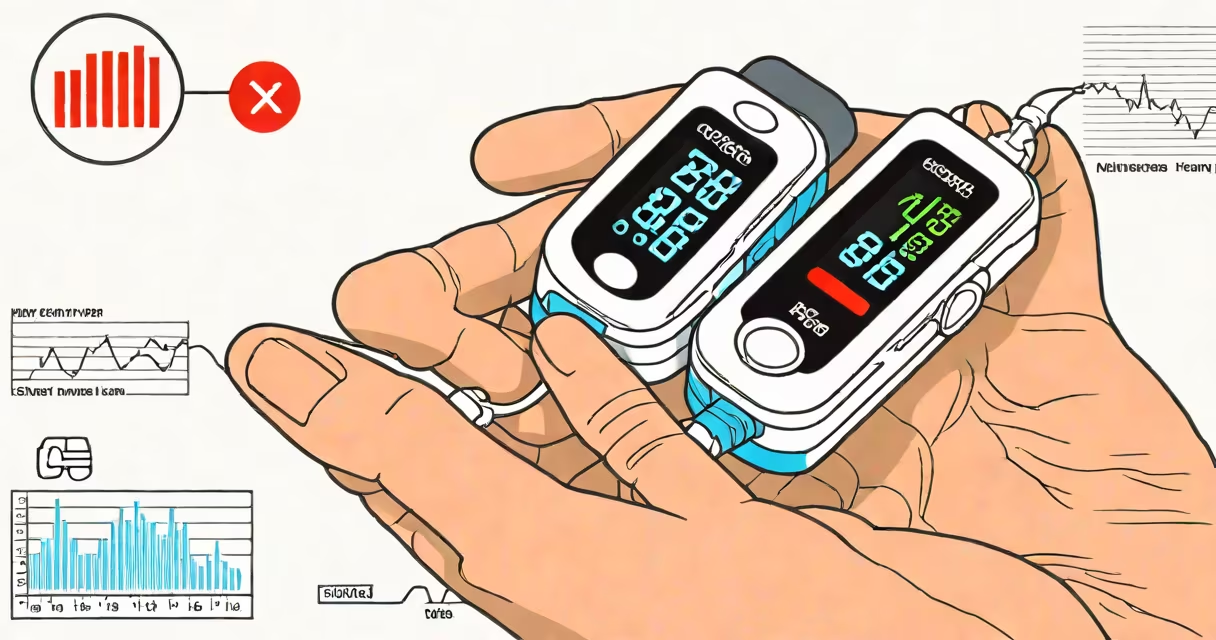
Normal oxygen level by age refers to the typical range of oxygen saturation in the blood, measured as peripheral capillary oxygen saturation (SpO2), which remains consistently high-between 95% and 100%-in healthy individuals across all age groups. Infants and children may show slightly higher baseline values, while older adults maintain stable levels unless affected by lung or heart conditions.
Oxygen saturation is measured using a pulse oximeter, a non-invasive device placed on a fingertip or earlobe. It uses light absorption to estimate how much hemoglobin in red blood cells is carrying oxygen. A reading below 94% indicates hypoxemia, a condition requiring medical evaluation. Values under 90% signal severe hypoxia and demand immediate intervention.
The American Thoracic Society and the National Institutes of Health both define normal SpO2 as ≥95% in adults and children aged 1 year and above. For newborns, the threshold is slightly higher-96% to 100%-due to transitional physiology after birth. These standards apply to resting, awake individuals breathing room air at sea level.
Pulse oximetry measures oxygen saturation through infrared and red light passed through tissue. Hemoglobin absorbs these wavelengths differently depending on whether it's bound to oxygen. The device calculates the ratio and displays SpO2 as a percentage. This method is quick, painless, and widely used in clinics, hospitals, and home monitoring devices.
A more accurate measure is arterial blood gas (ABG) testing, which draws blood from an artery. ABG provides partial pressure of oxygen (PaO2), not saturation. Normal PaO2 in adults is 80-100 mmHg. SpO2 correlates closely with PaO2: a SpO2 of 95% corresponds to a PaO2 of about 85 mmHg. SpO2 is preferred for routine screening due to ease of use.
When oxygen levels fall, tissues receive less oxygen, impairing cellular function. Chronic low saturation increases risk of pulmonary hypertension, heart strain, and cognitive decline. In acute settings, such as during pneumonia or pulmonary embolism, SpO2 drops rapidly and requires supplemental oxygen.
Age-specific norms exist because respiratory mechanics, lung compliance, and cardiac output change throughout development. The following table outlines expected SpO2 ranges based on age and health status.
| Age Group | Normal SpO2 Range (%) | Threshold for Concern | Source |
|---|---|---|---|
| Newborns (0-1 month) | 96-100 | <95 | NIH, 2021 |
| Infants (1-12 months) | 96-100 | <95 | NIH, 2021 |
| Children (1-18 years) | 95-100 | <94 | ATS Guidelines, 2020 |
| Adults (19-64 years) | 95-100 | <94 | ATS Guidelines, 2020 |
| Older Adults (65+ years) | 95-100 | <94 | NIH, 2021 |
Children and infants have higher normal values because their lungs are smaller and they breathe faster. Their metabolic demands are greater relative to body size, so they maintain tighter oxygen control. As people age, lung elasticity decreases, and alveolar surface area reduces. Despite this, healthy older adults still maintain SpO2 within the normal range unless disease is present.
One non-obvious fact: SpO2 readings can be falsely elevated in people with carbon monoxide poisoning. Carboxyhemoglobin absorbs light similarly to oxyhemoglobin, tricking the oximeter into reporting normal saturation even when actual oxygen delivery is severely impaired. This is why ABG testing remains essential in suspected toxic exposure.
Many assume that low oxygen levels always cause shortness of breath. That's not true. Some individuals, especially those with chronic lung disease, develop tolerance to low oxygen and do not feel dyspnea until levels drop. This phenomenon is known as "hypoxic drive" and can be dangerous during oxygen therapy adjustments.
Another misconception is that all low SpO2 readings require oxygen supplementation. A single reading below 94% doesn't necessitate treatment. Repeated measurements over time matter more. A transient drop during exercise or high altitude may be normal. Persistent values below 90% warrant investigation.
I once observed a 78-year-old man with COPD whose SpO2 dropped to 88% during a routine check-up. He reported no symptoms. After reviewing his history, we found he had been using supplemental oxygen at night. His daytime SpO2 improved to 93% with consistent use. We adjusted his regimen and avoided hospitalization. This case highlights that context-symptoms, activity level, and baseline-is critical.
SpO2 below 90% at rest, especially if sustained for more than 10 minutes, requires prompt medical evaluation. Conditions like pneumonia, pulmonary embolism, heart failure, and sleep apnea can cause rapid desaturation. In patients with underlying illness, even mild drops may signal worsening disease.
For children, a SpO2 below 94% is concerning regardless of symptoms. Infants may not cry or show obvious distress when hypoxic. Parents should monitor for grunting, flaring nostrils, or retractions-signs of respiratory effort. If SpO2 is below 92%, seek emergency care.
Home monitoring is safe and effective for stable patients. Devices cost $20-$50 and provide real-time feedback. However, they don't replace clinical judgment. Always consult a provider if values remain low despite rest or oxygen use.