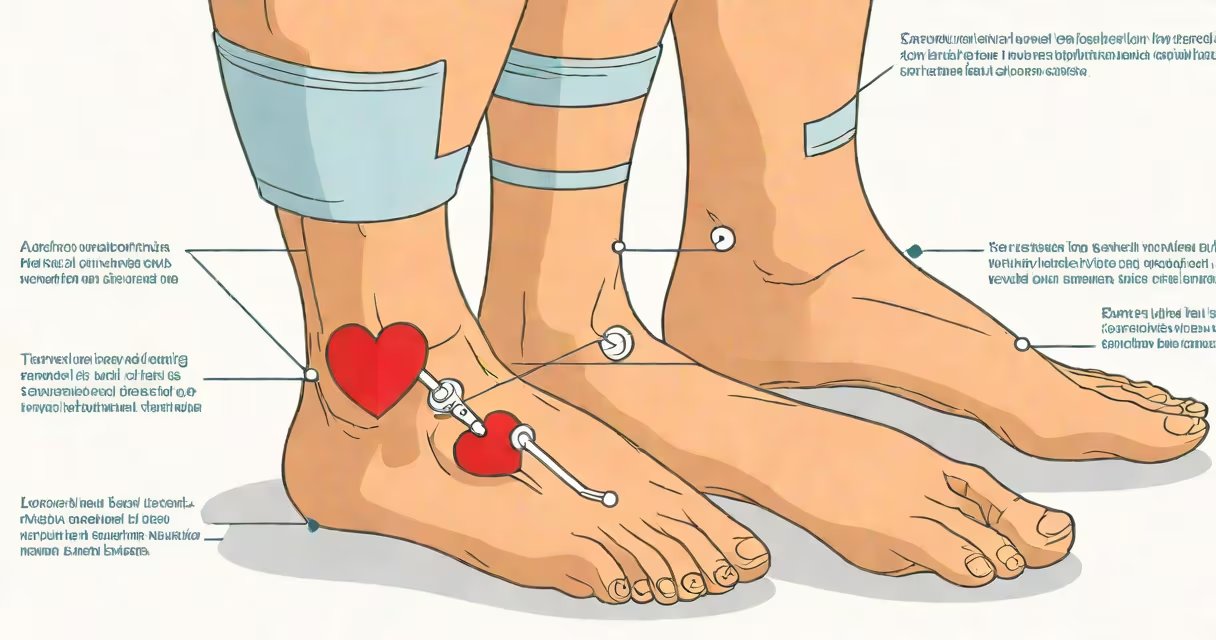
Ankle swelling in congestive heart failure occurs when the heart cannot pump blood effectively, causing fluid to accumulate in the lower legs. This symptom reflects worsening cardiac function and often indicates fluid overload.
When the left ventricle fails to contract strongly, blood backs up into the pulmonary system. When the right side weakens, pressure builds in the systemic veins, forcing fluid out of capillaries into tissues. The feet and ankles are most affected due to gravity and low vascular resistance in the lower extremities.
According to the American Heart Association, 80% of patients with advanced heart failure report peripheral edema, with ankle swelling being the most common initial sign. Swelling typically worsens during the day and improves overnight when lying flat.
The heart's inability to maintain adequate forward flow increases venous pressure. Elevated pressure forces plasma through capillary walls into interstitial spaces. The lymphatic system normally clears excess fluid, but in heart failure, it becomes overwhelmed.
Renin-angiotensin-aldosterone system (RAAS) activation further exacerbates fluid retention. The kidneys sense reduced perfusion and release renin, triggering aldosterone release. Aldosterone promotes sodium and water reabsorption, increasing blood volume and cardiac workload.
A 2021 study in Circulation: Heart Failure found that patients with bilateral ankle swelling had a 40% higher risk of hospitalization within six months compared to those without edema. Swelling correlates with New York Heart Association (NYHA) class III and IV disease.
Swelling in congestive heart failure is classified by severity and distribution:
| Severity | Appearance | Associated Symptoms |
|---|---|---|
| Mild | Slight puffiness, resolves with elevation | Minimal fatigue, normal activity level |
| Moderate | Visible indentation after pressing skin (pitting edema) | Shortness of breath on exertion, weight gain |
| Severe | Hard, non-pitting swelling; skin shiny and tight | Rest dyspnea, orthopnea, frequent urination at night |
Pitting edema-where pressure leaves a temporary dent-is a sign of fluid overload. Non-pitting edema suggests chronic lymphedema or severe tissue fibrosis, which may coexist in long-term CHF.
Common triggers include high-sodium diets, prolonged standing, and diuretic non-compliance. A single meal with 3,000 mg sodium can increase fluid retention within 24 hours, especially in patients on ACE inhibitors or beta-blockers.
Ankle swelling is not always due to heart failure. Peripheral edema can stem from venous insufficiency, deep vein thrombosis (DVT), kidney disease, or medication side effects like calcium channel blockers.
Distinguishing CHF-related swelling from other causes requires clinical context. In CHF, swelling is symmetric, worsens with activity, and improves with rest and leg elevation. DVT presents with unilateral pain, redness, and warmth.
A key differentiator is response to diuretics. In heart failure, swelling reduces within 24-48 hours of furosemide administration. In renal disease, diuresis may be delayed due to impaired tubular function.
One overlooked point: ankle swelling in CHF often precedes shortness of breath. A 2019 retrospective analysis in JAMA Cardiology showed that 62% of patients reported swelling weeks before respiratory symptoms emerged.
Consider a 68-year-old man with stage C heart failure (NYHA Class II). He reports noticing his shoes feel tighter over two weeks. On examination, he has 2+ pitting edema bilaterally, with visible indentations lasting 10 seconds after pressure.
His baseline weight was 180 lbs. Over five days, he gained 5 pounds. His B-type natriuretic peptide (BNP) rose from 250 pg/mL to 580 pg/mL. He was admitted for intravenous furosemide and titrated to achieve negative fluid balance.
After three days of treatment, edema resolved, and his weight dropped to 175 lbs. This case illustrates how ankle swelling serves as a changing marker of fluid status and treatment response.
Any new or worsening ankle swelling in someone with known heart failure warrants evaluation. Red flags include rapid progression, sudden weight gain (>2 lbs/day), or difficulty breathing while lying flat.
I've seen patients delay seeking care until they needed emergency diuresis. One man waited two weeks after noticing swelling, then presented with orthopnea and crackles on lung exam. His ejection fraction was 25%-well below the 50% threshold for normal function.
Ankle swelling in congestive heart failure is a clinical sign of fluid overload due to poor cardiac output and neurohormonal activation. It reflects disease progression and requires timely intervention.
Early recognition of swelling allows for adjustments in medications, diet, and monitoring. Ignoring it increases the risk of hospitalization and mortality.
For individuals managing heart failure, daily weight checks and limb circumference measurements offer objective tracking. If swelling persists despite diuretics, consult a cardiologist promptly.