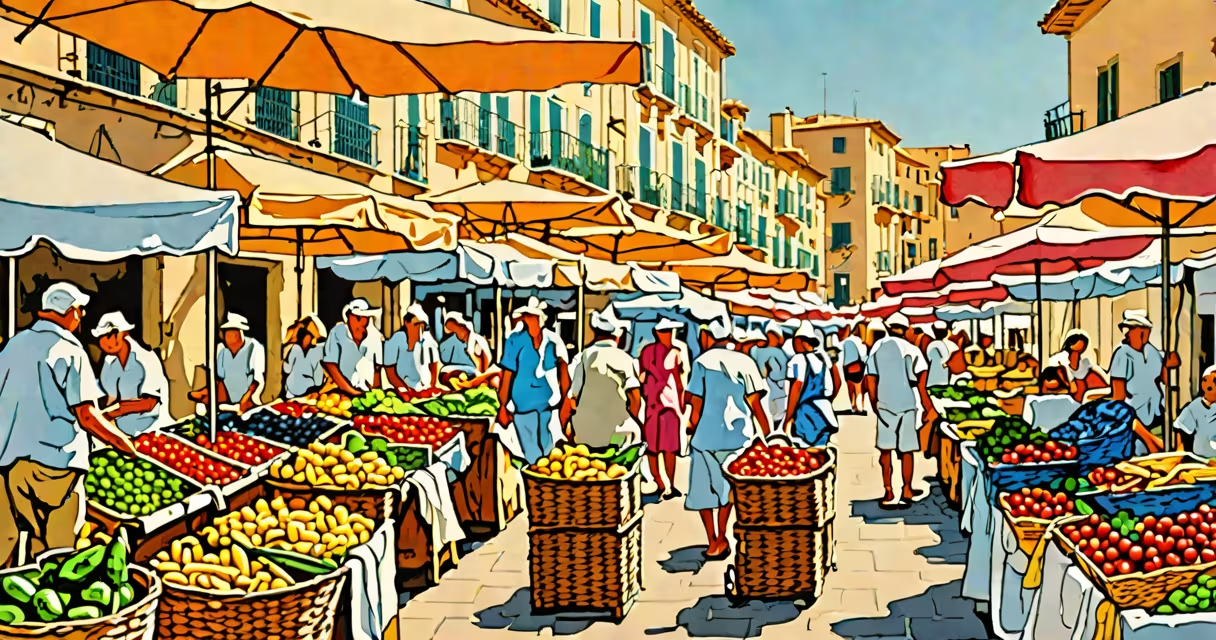
The llotja de mar is a traditional coastal marketplace in Malgrat de Mar, Spain, where fishermen sell fresh catch daily and local vendors display regional foods and handmade goods. Located along the Mediterranean shoreline, it functions as both a commercial hub and a cultural gathering space rooted in maritime tradition.
Originating in the 16th century, the term "llotja" historically referred to a merchant exchange or port warehouse. Over time, especially in Catalan-speaking regions, it evolved into a public market tied to fishing communities. The llotja de mar in Malgrat de Mar retains this legacy: it operates seasonally, typically from May through September, with morning hours dedicated to fish sales and late afternoon to artisanal wares.
Unlike modern shopping centers, the llotja de mar is open-air and weather-dependent. Stalls are set up on the seafront promenade, often under canvas awnings. Fishermen arrive before dawn with boats loaded with sardines, anchovies, octopus, and whole fish like dorada (gilt-head bream). Prices are negotiated directly with vendors, and many customers bring reusable containers to reduce waste.
Each day, the market begins around 7:00 AM when fishing boats dock. Fish are unloaded onto wooden tables, sorted by species, and displayed on ice. Vendors clean and portion fish on-site, often offering grilled samples. Customers pay in cash or card, and most transactions take less than five minutes.
After 11:00 AM, the focus shifts. Local artisans, bakers, and farmers replace fish sellers. You'll find hand-pressed olive oil from nearby estates, honey from mountain hives, and baked empanadas filled with tuna or roasted peppers. Seasonal items include figs in August and chestnuts in November.
During peak summer months, the llotja de mar hosts live music and cooking demonstrations. One July afternoon, I watched a chef prepare suquet, a Catalan fish stew, using ingredients bought just moments earlier. He served it in a clay bowl with crusty bread-$12 for two portions. The fish came from a boat that had returned at 5:00 AM.
The llotja de mar is not a single entity but a network of vendor zones. Here's how they're organized:
| Type | Primary Goods | Typical Hours | Location |
|---|---|---|---|
| Fish & Seafood | Sardines, anchovies, octopus, whole fish | 7:00-11:00 AM | North end of the promenade |
| Produce & Dry Goods | Fresh figs, olives, almonds, honey | 10:00 AM-2:00 PM | Central zone, near the fountain |
| Handmade Crafts | Ceramic bowls, woven baskets, linen scarves | 1:00-6:00 PM | South end, under awnings |
Each zone operates independently. Vendors rent temporary stalls from the town council. Fees are €15 per day during high season and €8 off-season. No vendor is required to carry insurance, though most do.
Many visitors assume the llotja de mar is a tourist trap. It is not. While tourists make up about 30% of shoppers, locals dominate early mornings. A 2022 study by the Universitat de Girona found that 68% of regular buyers live within 10 kilometers of Malgrat de Mar.
Another mistake: thinking "llotja" means "market" in all contexts. In Barcelona, "llotja" refers to the historic trading hall near the port. In Malgrat de Mar, it specifically denotes the seaside open-air market. The word is not interchangeable with "mercado" or "feria."
A lesser-known fact: the llotja de mar is one of only three such markets in Catalonia still operating under traditional rules. The others are in Tossa de Mar and Sant Feliu de Guíxols. These markets are protected under the Generalitat de Catalunya's Cultural Heritage Act, which mandates that at least 50% of vendors must be residents of the municipality.
The llotja de mar supports small-scale producers and preserves culinary heritage. According to the Food and Agriculture Organization (FAO), coastal markets like this one reduce food miles by up to 70% compared to supermarket supply chains. In Malgrat de Mar, fish sold at the llotja travels an average of 4.3 kilometers from boat to table.
It also fosters community. On weekends, families gather at the central fountain to eat pa amb tomàquet while children play near the tide pools. The market's rhythm-early fish, midday fruit, evening crafts-mirrors the natural cycle of the sea and land.