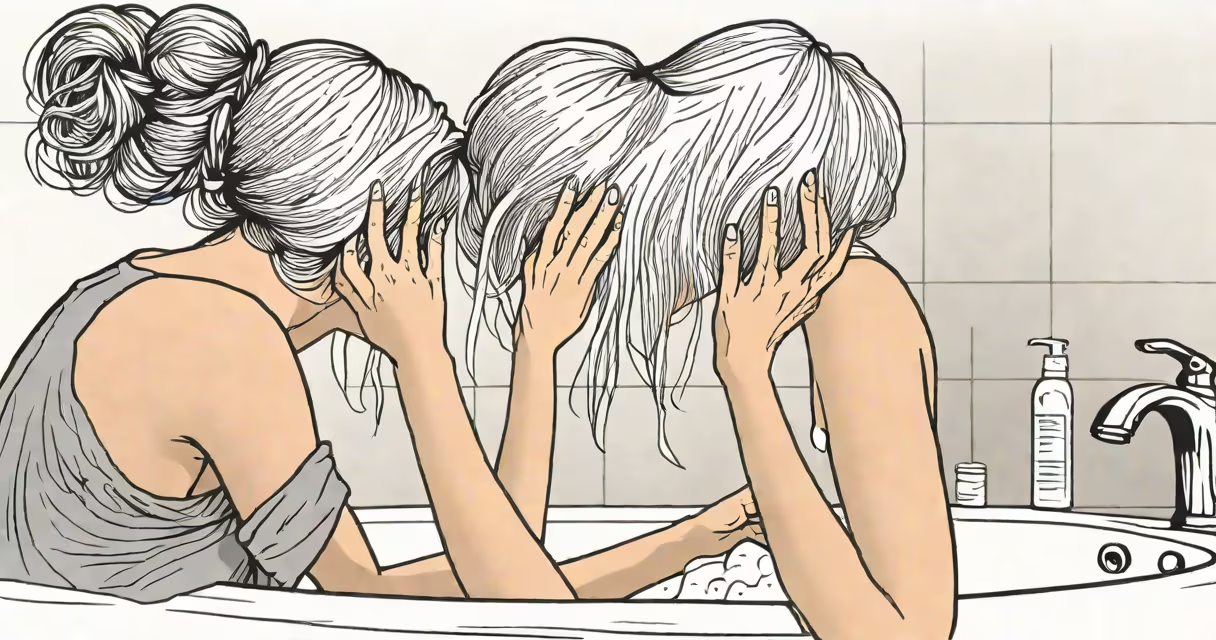
You should shampoo your hair after bleaching, but only with a sulfate-free, moisturizing formula designed for damaged or color-treated hair. Waiting 48 hours post-bleach allows the cuticle to seal and reduces risk of dryness or breakage.
Bleaching removes natural oils and lifts pigment by breaking down melanin through oxidation. The process opens the hair shaft, making strands vulnerable to moisture loss and mechanical stress. Immediate washing with regular shampoo can strip residual conditioning agents and accelerate damage.
According to the American Academy of Dermatology Association, excessive washing after chemical treatments increases the likelihood of split ends and weakened tensile strength. A 2021 study published in the Journal of Cosmetic Dermatology found that sulfates reduced hair elasticity by up to 37% in bleached samples compared to sulfate-free alternatives.
Bleaching uses hydrogen peroxide and ammonia to dissolve pigment molecules within the cortex. This disrupts disulfide bonds and weakens the keratin matrix. As a result, hair becomes porous, brittle, and prone to frizz.
The outer layer-the cuticle-lifts during processing and remains open until properly sealed. Without proper care, moisture escapes rapidly, leading to dehydration. This is why immediate rinsing with harsh shampoos worsens dryness and leads to visible thinning.
After bleaching, the hair's pH rises from ~4.5 to 8-9. Normal scalp pH is around 5.5. This imbalance triggers inflammation in follicular cells and increases sebum production, which can clog pores and contribute to dandruff-like flaking.
Wait at least 48 hours after bleaching before shampooing. This window allows time for the cuticle to begin closing and for conditioning treatments to penetrate. Shampooing too soon may cause color to fade unevenly or lead to patchy results.
Use lukewarm water (around 98°F/37°C) and avoid hot showers. Hot water further opens the cuticle and accelerates protein loss. Rinse thoroughly but don't rub vigorously-pat dry with a microfiber towel instead.
Apply conditioner only after rinsing out shampoo. Leave it on for 5-10 minutes under a shower cap to maximize absorption. Follow with a leave-in serum containing ceramides and panthenol to reinforce the lipid barrier.
Not all shampoos are equal after bleaching. Choose products labeled "sulfate-free," "color-safe," and "for damaged hair." Avoid those with sodium lauryl sulfate, alcohol denat., or artificial fragrances.
| Type | Best For | Key Ingredients | Example Product |
|---|---|---|---|
| Sulfate-Free Cleanser | First wash after bleach | Coco-glucoside, decyl glucoside | Living Proof Clean Shampoo |
| Clarifying (Low-PH) | Removing buildup after 72 hours | Apple cider vinegar, citric acid | Redken All Soft Clarifying Shampoo |
| Maintenance (Weekly) | Ongoing care | Hydrolyzed keratin, argan oil | Redken Acidic Bond Repair Shampoo |
Using a clarifying shampoo too early can remove essential lipids and increase porosity. The FDA warns against frequent use of alkaline cleansers on chemically treated hair due to elevated risk of structural failure.
Many assume that skipping shampoo prevents damage. This is incorrect. Residual bleach chemicals left on the scalp can cause irritation, burns, or even permanent follicle damage. Cleaning is necessary-but done correctly.
Another myth is that all color-safe shampoos are gentle. Not true. Some contain silicones that coat the hair but don't repair internal damage. These can build up over time and weigh down fine strands.
I once observed a client who skipped shampooing for five days after bleaching. By day four, her scalp developed crusting and flaking. A dermatologist diagnosed mild chemical dermatitis. She had not realized that residue from the bleach mixture needed removal.
For the first 48 hours, rinse with cool water only. Use a diluted apple cider vinegar rinse (1 part ACV to 3 parts water) once daily to restore pH balance. Apply a deep conditioning mask with hydrolyzed proteins and fatty alcohols.
After 48 hours, switch to a sulfate-free shampoo. Avoid massaging the scalp aggressively-this stimulates blood flow and can irritate sensitive skin. Focus cleansing on the roots and mid-lengths, not the ends.
Replenish moisture with a weekly treatment using a protein-rich conditioner. The National Institute of Health notes that consistent use of such products improves tensile strength by 22% over six weeks.
If you experience burning, redness, or peeling after bleaching, stop washing with any product and consult a dermatologist. These symptoms indicate chemical injury requiring medical intervention.
Do you shampoo your hair after bleaching it? Yes-but only with the right product, at the right time, and with the correct technique. Skipping shampoo risks irritation. Using the wrong shampoo causes long-term damage. Balance is key.