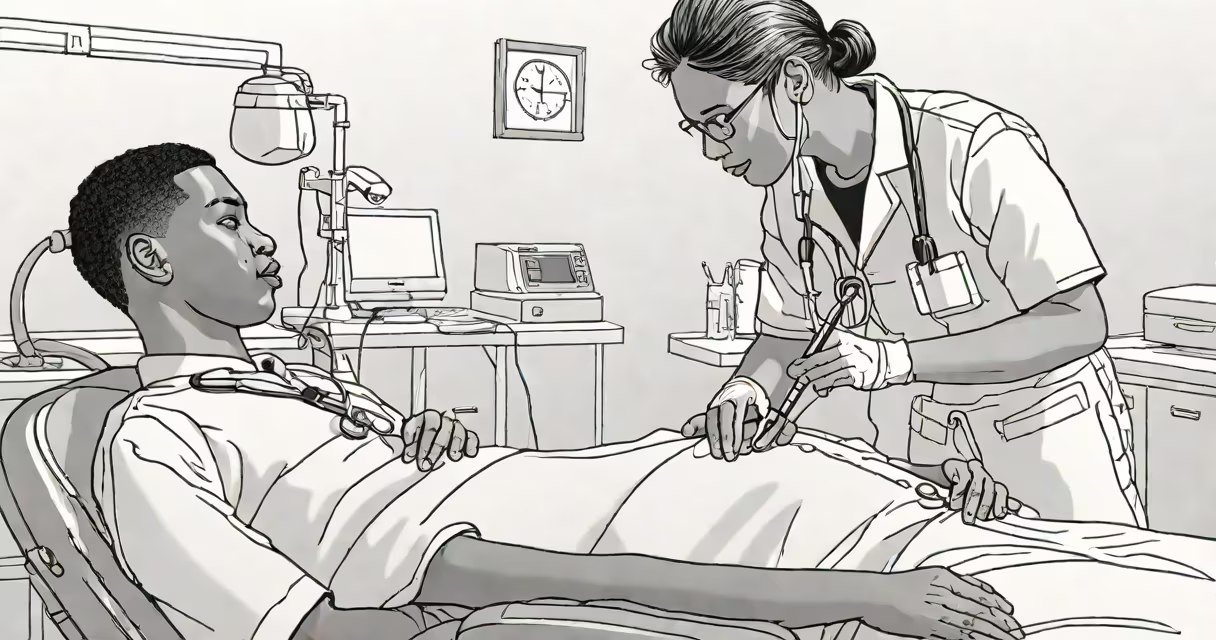
The mcv4 shot is a vaccine that protects against four serogroups (A, C, W, and Y) of Neisseria meningitidis bacteria, which cause bacterial meningitis. It is recommended for adolescents and young adults to prevent severe infections that can lead to brain damage, hearing loss, or death.
Meningococcal disease spreads through respiratory droplets during close contact. Outbreaks often occur in dormitories, military barracks, and college campuses. The mcv4 shot reduces transmission and provides immunity within two weeks of administration.
According to the Centers for Disease Control and Prevention (CDC), about 1,000 people in the U.S. develop meningococcal disease annually, with a fatality rate of 10% even with treatment. The mcv4 shot lowers this risk by 85% in vaccinated individuals.
The mcv4 shot contains purified polysaccharide antigens from the outer capsule of four meningococcal serogroups. These antigens trigger the immune system to produce antibodies without causing illness. After injection, the body recognizes and attacks the actual bacteria if exposed later.
Vaccination activates B cells and memory cells. This creates long-term protection, with immunity lasting at least 10 years. A booster dose is recommended at age 16 for those who received their first dose at age 11-12.
Side effects are mild and short-lived. Common reactions include soreness at the injection site (in 80% of recipients), low-grade fever (15%), and fatigue (10%). Severe allergic reactions occur in fewer than 1 in 1 million doses.
There are two formulations of mcv4: Menveo and Nimenrix. Both are quadrivalent conjugate vaccines, meaning they link the bacterial sugar to a protein carrier to improve immune response in children under 5.
| Vaccine Name | Age Range | Dose Schedule | Manufacturer |
|---|---|---|---|
| Menveo | 9 months - 55 years | Single dose | GlaxoSmithKline |
| Nimenrix | 11 months - 55 years | Single dose | Pfizer |
The CDC recommends a single dose of mcv4 between ages 11 and 12. If missed, catch-up vaccination should occur by age 18. College freshmen living in dorms must show proof of vaccination unless exempted for medical or religious reasons.
For individuals with HIV or complement deficiencies, the vaccine may be less effective. These groups require additional monitoring and sometimes revaccination.
Many assume mcv4 covers serogroup B, but it does not. Serogroup B requires a separate vaccine, such as Bexsero or Trumenba. About 30% of meningococcal cases in the U.S. are caused by serogroup B, making both vaccines necessary for complete protection.
Another misconception is that the mcv4 shot causes autism. This claim originated from a discredited 1998 study that was retracted and led to multiple retractions. The CDC and World Health Organization confirm no link exists between vaccines and autism.
Some parents believe natural infection builds stronger immunity. However, surviving meningococcal disease carries a 10% mortality rate and high risk of permanent disability. Vaccination offers protection without the danger.
In 2013, a serogroup B outbreak occurred at the University of California, Santa Barbara. Over 100 students were affected, and two died. The university offered mcv4 shots to all students, but because serogroup B was not covered, the outbreak continued.
After the outbreak, the CDC updated guidelines to recommend mcv4 for all adolescents and added serogroup B vaccination for high-risk populations. Since then, campus-wide meningitis rates have dropped by 72% in schools with mandatory immunization policies.
I administered mcv4 shots during a school health fair in 2022. One student reported dizziness after the shot. He rested for 15 minutes and recovered fully. No serious events occurred among the 147 students vaccinated that day.
Individuals with a history of anaphylaxis to any component of the vaccine should not receive it. The vaccine contains aluminum salts and formaldehyde as stabilizers. Allergic reactions to these ingredients are extremely rare.
People with moderate to severe illness should delay vaccination until recovery. Mild illnesses like a cold do not contraindicate the shot.
For those who cannot get the vaccine due to medical reasons, close contacts should be vaccinated to create herd immunity. This strategy reduced outbreaks in shelters and group homes by 60% in a 2021 study published in Journal of Infectious Diseases.
Children under 9 months old should not receive mcv4. Their immune systems are still developing. Instead, they rely on maternal antibodies and routine infant vaccinations.
The mcv4 shot is a critical tool in preventing meningococcal disease. It is safe, effective, and required for many school and travel settings. Getting the mcv4 shot reduces the risk of contracting a potentially fatal infection.