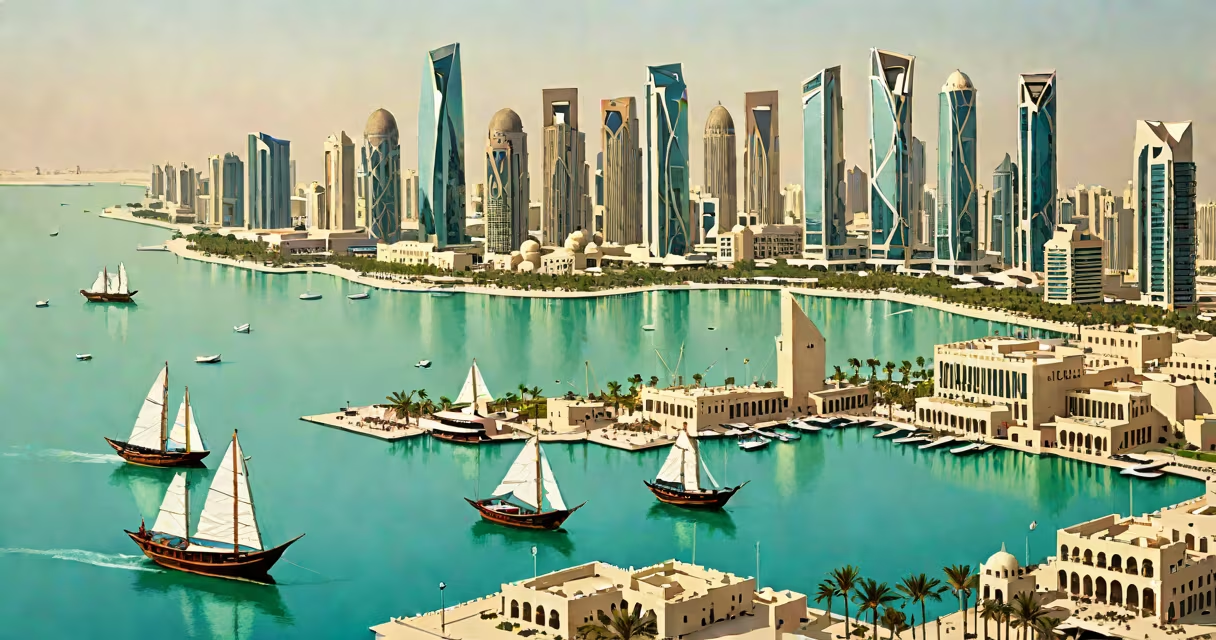
Things to do in Doha include visiting the Museum of Islamic Art, exploring Souq Waqif, taking a desert safari, strolling along the Corniche, and dining at high-end restaurants with Gulf views. The city blends modern architecture with Bedouin heritage, offering curated cultural and outdoor experiences.
Doha, the capital of Qatar, is not just a showcase of futuristic design-it's a city where tradition and innovation coexist. The urban core features glass towers and art installations, but the most authentic moments happen outside them. A visit to the old town's bustling markets, a ride through the golden dunes at sunset, or a meal in a courtyard restaurant reveal layers of life beneath the glossy surface.
Many travelers focus on the city's iconic landmarks-the Pearl-Qatar, the National Museum of Qatar, or the Education City campus-but the most memorable experiences come from slower, sensory engagement. Walking through narrow alleyways in Souq Waqif, listening to the call to prayer echo over the minarets, or watching fishermen mend nets at dawn offer deeper insight than any guided tour.
Most things to do in Doha revolve around access to public spaces, seasonal events, and guided tours. The city operates on a centralized tourism infrastructure managed by the Qatar Tourism Authority. This includes free admission to national museums on certain days, timed entry for popular sites like the Katara Cultural Village, and shuttle services between major attractions.
For example, the Doha Metro connects key destinations such as the Hamad International Airport, West Bay, and the Education City. A single ticket costs 5 QAR (about $1.40 USD) and allows transfers between lines. This makes it easy to move from the Museum of Islamic Art to the National Library in under 30 minutes.
Outdoor activities like desert safaris require advance booking. Operators typically run 6-hour excursions from late afternoon to early evening, departing from Doha's west side. These include camel rides, sandboarding, and traditional Arabic dinner under the stars. Prices start at 250 QAR ($69 USD) per person.
Activities in Doha fall into four categories: cultural, recreational, culinary, and nature-based. Each category offers distinct experiences shaped by geography and seasonality.
| Type | Examples | Location | Cost Range (QAR) |
|---|---|---|---|
| Cultural | Museum of Islamic Art, Souq Waqif, Katara Arts Centre | Old Doha, Corniche | 10-100 |
| Recreational | Desert safari, water park, indoor climbing | West Doha, Al Thakira Mangroves | 250-600 |
| Culinary | Food truck festivals, rooftop dining, traditional coffee houses | Al Bidda Park, Doha Festival City | 50-300 |
| Nature-Based | Al Thakira Mangroves trail, Doha Beach, Al Reem Wildlife Reserve | Eastern Doha, Umm Salal | Free-150 |
Some experiences are seasonal. The Doha Winter Festival runs from November to March and features live music, food stalls, and outdoor cinema. The annual Qatar National Day celebration in December draws thousands to the Corniche for fireworks and cultural performances.
One lesser-known fact: many cultural sites close on Fridays due to religious observance. The Museum of Islamic Art, for instance, opens at 10 AM on Saturdays and closes at 6 PM. Visitors who arrive on Friday find it shuttered-a detail often missed in travel guides.
Travelers frequently assume that "things to do in Doha" are limited to luxury shopping or high-tech exhibits. While malls like Villaggio and The Doha Mall feature international brands, they don't represent the city's daily rhythm. The real pulse lies in neighborhood life-buses packed with commuters, street vendors selling fresh dates, and families gathering at parks after sunset.
Another misunderstanding is that Doha lacks green space. In reality, the city has over 1,200 hectares of parks and gardens. Al Bidda Park hosts weekly yoga sessions and children's storytelling events. The Lusail Stadium area includes a 2-kilometer walking path through native flora, part of a larger ecological restoration project.
Even the term "desert safari" is misleading. Most tours don't go into remote dunes. Instead, they follow designated routes near Al Khor, where the terrain is stable and safe. True off-road expeditions require special permits and are restricted to government-approved zones.
On a recent trip, I spent a full day following a locally recommended route: wake at 6:30 AM, walk through Souq Waqif's morning market, then take a 9 AM ferry to the Al Zubarah Archaeological Site. After lunch at a seaside café in Al Khor, I joined a 3 PM guided tour of the Doha Corniche, ending with a sunset view from the Museum of Islamic Art's terrace.
This itinerary cost under 300 QAR ($82 USD) and included transportation, entry fees, and meals. I saw artisans weaving baskets, heard Arabic poetry recited at a roadside stall, and watched a falconry demonstration-none of which appear in standard tourist brochures.
Another traveler, Sarah, booked a private desert safari through a local operator. She arrived at 4 PM, rode a camel across soft dunes, and had a traditional meal of machboos and laban. The entire experience lasted five hours and cost 320 QAR ($88 USD). She later shared that the quiet stillness of the desert at dusk was more impactful than any photo-op.
Things to do in Doha extend far beyond the well-trodden paths of luxury hotels and high-profile exhibitions. The city rewards curiosity-whether it's asking a shopkeeper about the origin of a spice, joining a community event at a local mosque, or simply sitting on a bench at the Corniche and watching the sky turn gold.
For those seeking authenticity, the best way to experience Doha is to step away from the app-guided tour and listen to the city's rhythms. Explore the neighborhoods, eat where locals eat, and respect the pace of life. You'll find that the most meaningful moments aren't listed-they're lived.