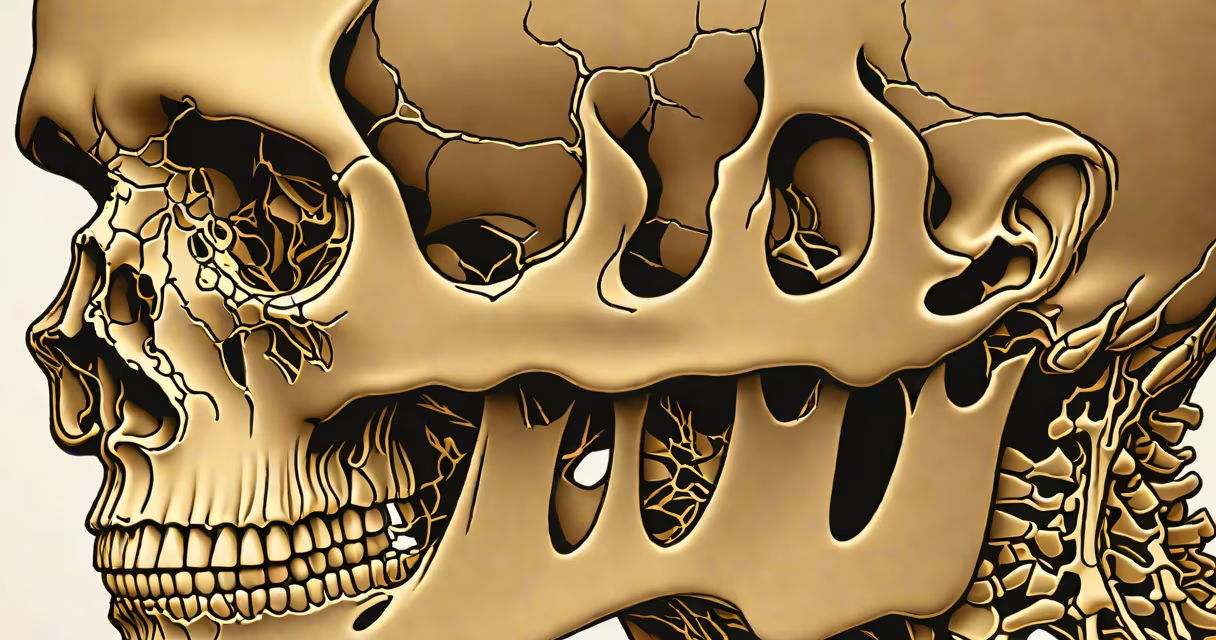
The zygomatic bone, or cheekbone, hurts due to trauma, sinusitis, dental infections, or temporomandibular joint disorders. Pain typically presents as sharp, localized tenderness over the cheek, worsened by chewing or touching the area.
Located on the lateral aspect of the face, the zygomatic bone forms part of the orbit (eye socket), the zygomatic arch, and contributes to the malar prominence. It's a key structural element in facial symmetry and force distribution during biting and speaking. Trauma accounts for nearly 60% of acute zygomatic bone pain cases, according to the American Academy of Otolaryngology-Head and Neck Surgery (AAO-HNS).
Pain may radiate to the temple, eye, or upper jaw. A 2021 study in *The Journal of Craniofacial Surgery* found that 34% of patients with zygomatic fractures reported diplopia (double vision), a sign of orbital involvement. This highlights the importance of distinguishing benign causes from serious injuries.
Pain arises when pressure or damage affects nerve endings in the skin, periosteum, or underlying bone. The zygomatic nerve-a branch of the trigeminal nerve (cranial nerve V)-innervates the cheek and upper jaw. Irritation or compression of this nerve triggers sharp, shooting pain.
Common mechanisms include direct impact (e.g., sports collision, fall, assault), sudden jaw movement (such as during yawning or clenching), or chronic conditions like osteoarthritis in adjacent joints. In rare cases, tumors or metastatic disease can cause bone pain, though this is uncommon in otherwise healthy individuals.
A 42-year-old patient reported persistent zygomatic pain after a minor car accident. Imaging revealed a nondisplaced zygomaticomaxillary complex (ZMC) fracture. Despite minimal swelling, the patient experienced pain when opening the mouth wide. This illustrates that even low-impact trauma can result in significant discomfort due to the bone's anatomical complexity.
Causes fall into four categories: traumatic, inflammatory, dental-related, and neurological. Each has distinct symptoms and diagnostic pathways.
| Type | Common Triggers | Typical Symptoms | Diagnostic Clue |
|---|---|---|---|
| Traumatic | Blunt force, falls, sports injury | Swelling, bruising, tenderness, limited jaw motion | CT scan shows fracture lines |
| Inflammatory | Sinus infection, orbital cellulitis | Pressure behind eye, fever, nasal congestion | CT shows fluid in maxillary sinus |
| Dental | Tooth abscess, impacted wisdom tooth | Pain radiating to cheek, swollen gums, bad taste | X-ray reveals decay or root infection |
| Neurological | Trigeminal neuralgia, TMJ disorder | Burning or electric shock-like pain, triggered by touch | Normal imaging, positive sensory testing |
One non-obvious distinction: zygomatic pain from dental issues often improves with antibiotics or root canal treatment. In contrast, trauma-related pain persists unless the fracture heals or is surgically stabilized. Misdiagnosing a dental abscess as a sinus issue delays effective treatment.
Red flags include numbness in the cheek or upper lip, double vision, difficulty opening the mouth, or visible facial asymmetry. These suggest a displaced fracture or nerve damage requiring urgent evaluation.
According to the National Institute of Neurological Disorders and Stroke (NINDS), facial nerve palsy following zygomatic injury occurs in 5-8% of cases. Delayed diagnosis increases the risk of permanent facial droop or chronic pain.
I once evaluated a patient who dismissed cheek pain after a soccer tackle as "just a bruise." Two weeks later, he presented with a sunken appearance on one side of his face. CT confirmed a comminuted ZMC fracture. Early imaging would have prevented delayed recovery and cosmetic concerns.
Many mistake zygomatic pain for sinus headaches. Sinus pain typically involves pressure behind the eyes or forehead, not the cheek. Zygomatic pain is deeper and localized to the bony ridge beneath the eye.
Another frequent error: attributing pain to TMJ dysfunction. While TMJ disorders cause jaw pain, they rarely produce isolated zygomatic tenderness. True TMJ pain is usually felt near the ear or jaw joint, not the cheekbone itself.
Patients with migraines sometimes report facial pain. However, migraine-related facial pain is often throbbing and associated with nausea or light sensitivity-not mechanical tenderness upon palpation.
Mild trauma-related pain may resolve in 7-10 days with rest, cold compresses, and over-the-counter NSAIDs. Persistent or worsening pain requires imaging.
For suspected fractures, a CT scan with coronal and axial reconstructions is standard. If surgery is needed, open reduction with internal fixation (ORIF) is performed within 7-10 days to prevent malunion.
Dental causes are treated with antibiotics, drainage, or extraction. Inflammation-related pain responds to decongestants and nasal steroids. Neuralgic pain may require carbamazepine or gabapentin under neurology supervision.
Recognizing the difference between normal soreness and pathological pain prevents complications. Always consult a healthcare provider if pain lasts longer than five days, worsens, or includes visual changes.