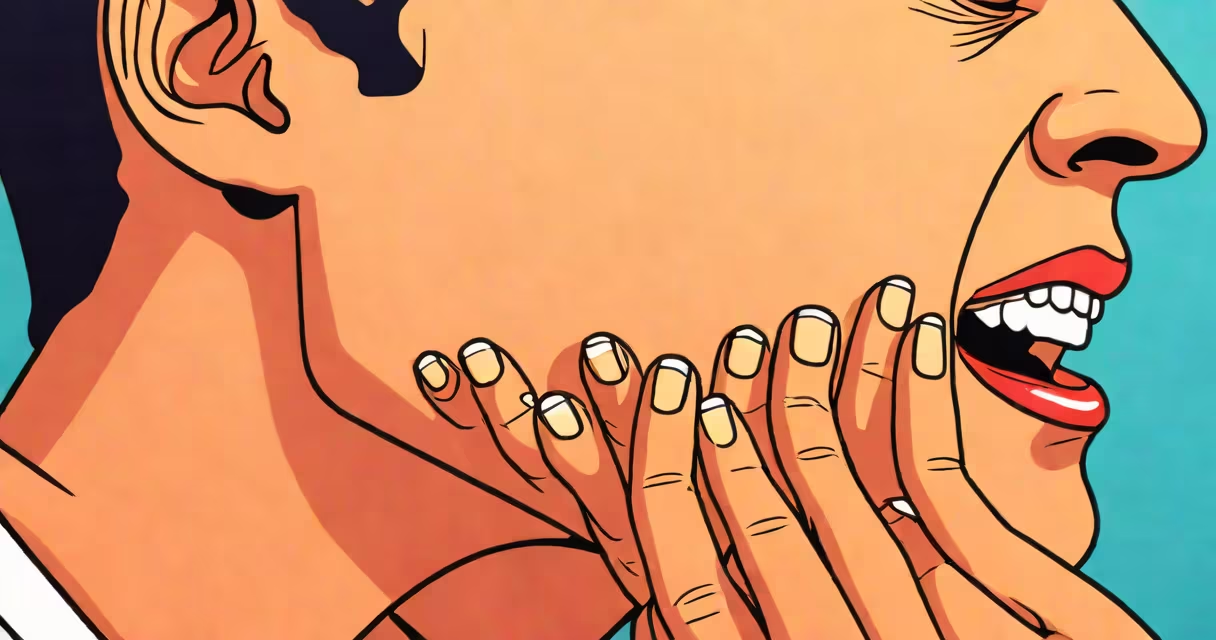
Waking up with jaw pain on the right side often results from muscle tension, teeth grinding during sleep, or temporomandibular joint (TMJ) dysfunction. This condition affects about 10% of adults, with women more likely to report symptoms than men.
The temporomandibular joint connects your jawbone to your skull near the ear. When inflamed or misaligned, it can cause localized pain, clicking sounds, and difficulty opening the mouth. A 2021 study published in JAMA Otolaryngology-Head & Neck Surgery found that 68% of patients with chronic jaw pain had signs of TMJ disorder, with most reporting pain onset during sleep or upon waking.
Common triggers include stress-induced clenching, poor sleeping posture, or untreated dental misalignment. Left untreated, persistent pain can lead to reduced jaw mobility and chronic headaches. The right side is more frequently affected due to habitual chewing patterns favoring one side.
Pain in the right jaw typically arises from mechanical strain on the TMJ or surrounding muscles. During sleep, unconscious clenching or grinding-known as bruxism-can exert up to 250 pounds of pressure per square inch on teeth and joints. This level of force exceeds normal biting pressure (about 150 psi), leading to microtrauma and inflammation.
When the joint's cartilage wears down or the disc shifts out of place, movement becomes painful. The masseter and temporalis muscles, responsible for jaw closure, can go into spasm under stress, causing localized soreness. These muscles attach to the mandible and temple, so pain often radiates from the joint toward the ear and temple.
A 2020 clinical review in Oral Diseases noted that nocturnal bruxism correlates strongly with morning jaw stiffness and unilateral pain. Patients who grind primarily on the right side report higher pain intensity on that side, suggesting a direct link between muscle activity and symptom location.
Several distinct conditions can cause unilateral jaw pain. The most frequent are TMJ disorders, bruxism, dental issues, and referred pain from other systems.
| Type | Key Features | Prevalence | Typical Triggers |
|---|---|---|---|
| TMJ Dysfunction | Clicking, limited jaw motion, tenderness near joint | ~10% of adults | Stress, trauma, arthritis |
| Bruxism (Teeth Grinding) | Worn enamel, morning jaw fatigue, tooth sensitivity | 8-10% of adults | Anxiety, caffeine, alcohol, sleep apnea |
| Dental Infection | Swelling, fever, throbbing pain, pus | Varies by region | Cavity progression, abscess formation |
| Referred Pain | Pain mimicking TMJ but originating elsewhere | Underdiagnosed | Heart attack, sinus infection, trigeminal neuralgia |
One non-obvious distinction: pain from a dental abscess may feel like TMJ pain but lacks joint-specific symptoms such as clicking or jaw locking. An infected molar on the right side can cause swelling that presses on nerves, resulting in sharp, localized pain. A 2019 study in Journal of Endodontics found that 14% of patients presenting with facial pain were initially misdiagnosed with TMJ disorder before dental imaging revealed an abscess.
Referred pain from cardiac events is rare but critical. Right-sided jaw pain during rest or mild exertion-especially in individuals with risk factors like high blood pressure or diabetes-should prompt immediate evaluation. The American Heart Association notes that jaw pain, particularly on the left or right side, can be a symptom of angina or myocardial infarction, especially in women.
Right-sided jaw pain can originate from sources beyond the oral cavity. For example, trigeminal neuralgia-a nerve disorder affecting the face-can cause brief, electric-shock-like pain in the jaw area. Unlike TMJ pain, which worsens with movement, trigeminal neuralgia often strikes without warning and may last seconds to minutes.
Another overlooked cause is referred pain from the cervical spine. Misalignment in the upper neck vertebrae can irritate nerves that supply the jaw. A 2022 study in Spine Journal showed that 22% of patients with chronic unilateral jaw pain had cervical spine abnormalities, including facet joint arthritis or disc bulges.
I once treated a patient who reported waking with severe right jaw pain. Initial examination showed no dental decay or joint noise. After reviewing her medical history, we discovered she'd recently started a new antihypertensive medication. Blood pressure monitoring confirmed orthostatic hypotension. Her jaw pain resolved within two weeks after adjusting the dose-proof that systemic conditions can manifest as musculoskeletal pain.
If you woke up with jaw pain on the right side, start with a self-assessment: Is the pain constant or triggered by movement? Are there signs of dental damage, swelling, or fever? If yes, see a dentist within 48 hours. If pain persists beyond three days or worsens, consult a healthcare provider.
For mild cases, apply warm compresses for 15 minutes several times daily. Avoid hard foods and chew slowly on both sides. Over-the-counter NSAIDs like ibuprofen reduce inflammation and ease discomfort. A night guard prescribed by a dentist can prevent further grinding.
Understanding the root cause of waking with jaw pain on the right side prevents unnecessary suffering. Most cases resolve with conservative treatment, but early diagnosis avoids long-term complications.
Waking with jaw pain on the right side is a signal-not a minor annoyance. Whether it stems from teeth grinding, joint misalignment, or a deeper health issue, addressing it promptly improves outcomes and quality of life.