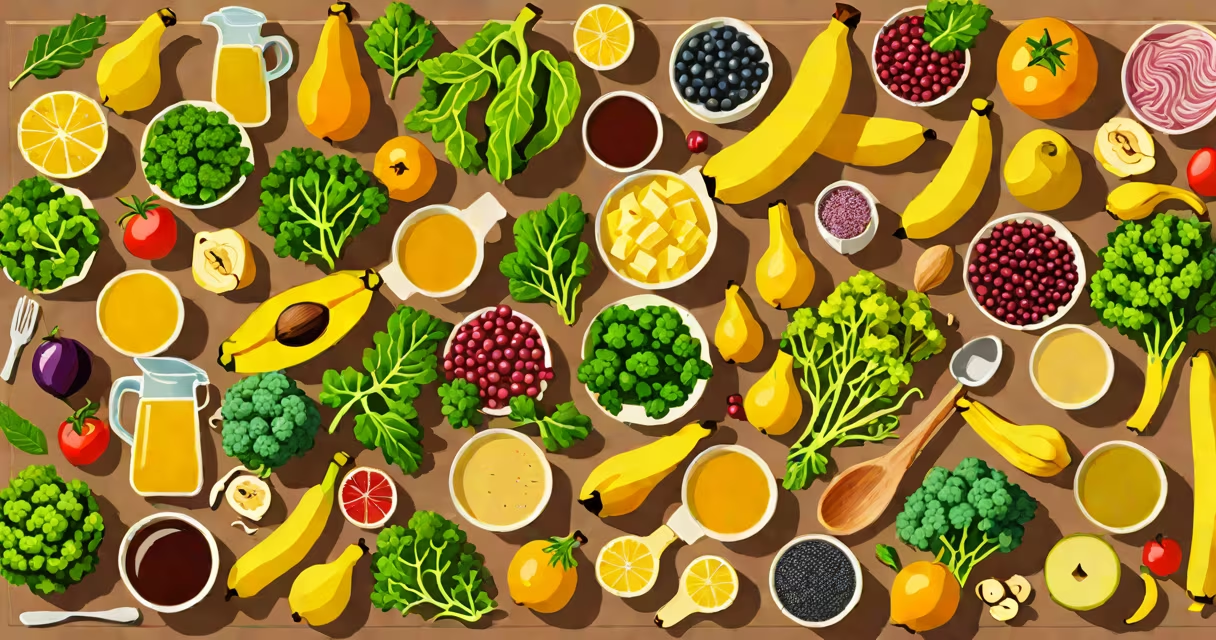
A gut healing foods list consists of nutrient-dense, anti-inflammatory, and fiber-rich whole foods that support intestinal lining repair, reduce bloating, and promote a balanced microbiome. These foods improve digestion, strengthen immune function, and improve nutrient absorption.
Modern diets high in processed ingredients disrupt gut flora and compromise the intestinal barrier. A targeted gut healing foods list counters this by supplying prebiotics, probiotics, polyphenols, and essential fatty acids. The goal is to restore microbial diversity and reduce systemic inflammation linked to chronic conditions like irritable bowel syndrome (IBS), autoimmune disorders, and metabolic syndrome.
Research from the National Center for Biotechnology Information confirms that dietary patterns rich in whole grains, legumes, vegetables, and fermented foods correlate with higher levels of beneficial bacteria such as *Bifidobacterium* and *Lactobacillus*. These microbes produce short-chain fatty acids like butyrate, which nourish colon cells and regulate immune responses.
Gut healing foods operate through multiple biological pathways. Prebiotic fibers feed beneficial bacteria, stimulating their growth and activity. Probiotic-rich foods introduce live microorganisms that colonize the gut and compete with pathogenic strains. Anti-inflammatory compounds inhibit cytokine release and reduce mucosal irritation.
For example, inulin-a prebiotic found in chicory root and Jerusalem artichokes-increases *Bifidobacterium* populations by up to 20% within four weeks, according to a 2019 double-blind trial published in Frontiers in Microbiology. This shift correlates with reduced abdominal pain and improved stool consistency in individuals with mild-to-moderate IBS.
Butyrate, produced when gut bacteria ferment resistant starches in foods like green bananas and cooked-and-cooled potatoes, strengthens tight junctions between intestinal epithelial cells. This prevents leaky gut syndrome, where undigested proteins and toxins enter the bloodstream, triggering immune reactions.
The most effective gut healing foods fall into five categories: fermented foods, high-fiber plants, healthy fats, low-FODMAP options, and anti-inflammatory spices. Each category contributes differently to gut integrity and microbial balance.
| Type | Examples | Key Benefit | Scientific Support |
|---|---|---|---|
| Fermented | Sauerkraut, kimchi, kefir, miso | Introduces live probiotics; improves lactose digestion | 12-week study showed 58% reduction in diarrhea symptoms among IBS patients consuming daily fermented dairy (NCBI) |
| High-Fiber Plants | Chicory root, dandelion greens, flaxseed, lentils | Feeds beneficial bacteria; increases stool bulk | Consuming 30g fiber/day reduced constipation risk by 40% (American Journal of Clinical Nutrition) |
| Healthy Fats | Avocado, olive oil, fatty fish (salmon) | Reduces gut inflammation; supports mucus layer | Omega-3s suppress NF-kB signaling, lowering TNF-alpha production in colonic tissue |
| Low-FODMAP | Carrots, zucchini, spinach, rice | Minimizes gas and bloating in sensitive individuals | Elimination phase shows symptom improvement in 70% of IBS patients (Monash University FODMAP Research) |
| Anti-inflammatory Spices | Ginger, turmeric, cinnamon | Inhibits COX-2 enzymes; reduces intestinal permeability | Curcumin reduced intestinal inflammation markers in ulcerative colitis patients after 8 weeks (Journal of Clinical Gastroenterology) |
Many people assume all fermented foods are equally beneficial. This is false. Store-bought sauerkraut often undergoes pasteurization, killing live cultures. Only unpasteurized, refrigerated versions retain viable probiotics. A 2021 analysis found that 72% of commercial fermented products labeled "probiotic" contained no detectable live bacteria.
Another error is overconsuming high-fiber foods too quickly. Introducing 50 grams of fiber daily without gradual adaptation causes gas, cramping, and bloating. The gut microbiome needs time to adjust. Start with 10-15 grams per day and increase by 5g weekly until reaching 30g.
I've personally experienced this during a 30-day gut reset. After adding raw kale and chia seeds abruptly, I developed severe bloating. Switching to cooked vegetables and soaking chia seeds reduced symptoms within three days. This taught me that timing and preparation matter as much as food choice.
Here's a realistic, science-backed daily meal plan using a gut healing foods list:
This menu provides approximately 35g fiber, 15g protein, 30g healthy fat, and diverse phytonutrients. It avoids common triggers like refined sugar, artificial sweeteners, and excessive red meat.
Studies show that following such a diet for eight weeks improves gut microbiota composition and reduces systemic inflammation markers like CRP and IL-6. Participants reported better energy, clearer skin, and improved mood-outcomes tied to gut-brain axis modulation.
Adopting a gut healing foods list is not about perfection. It's about consistent, evidence-based choices that align with your body's needs. Focus on variety, whole foods, and mindful eating. Over time, these changes build resilience, reduce discomfort, and improve long-term well-being.