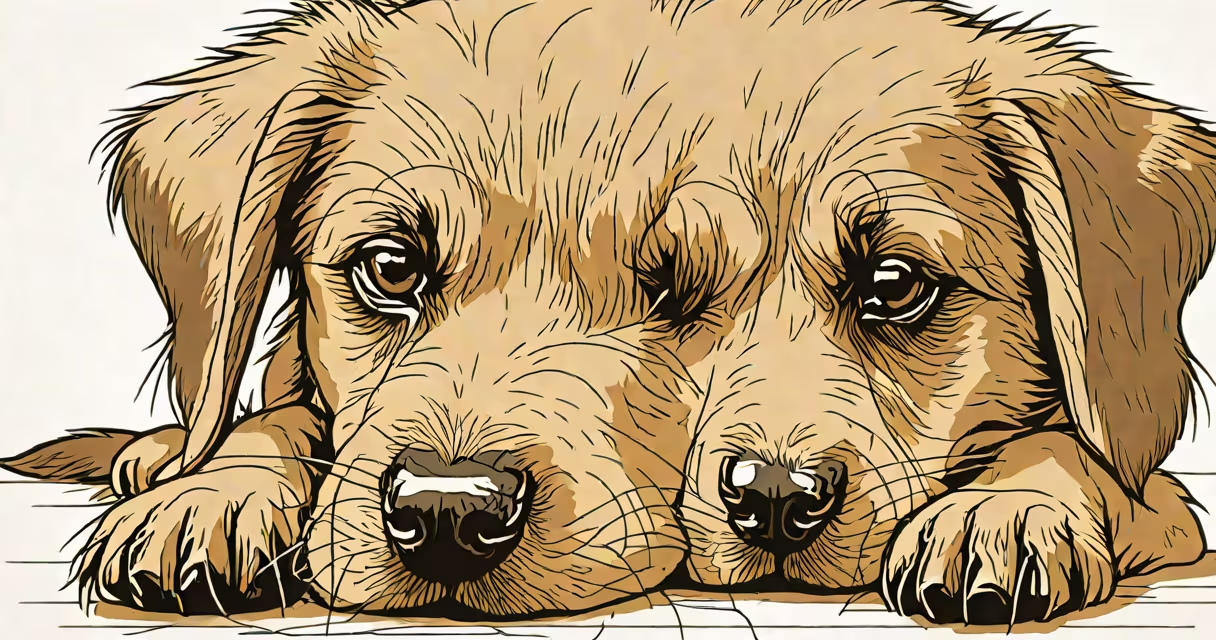
A puppy losing fur around the eyes typically indicates a localized skin condition such as demodectic mange, allergic dermatitis, or a hereditary trait common in certain breeds. This pattern often appears as thinning, redness, or complete bald patches near the eyelids, especially in young dogs under 12 months.
Unlike general shedding, which affects the entire coat evenly, fur loss around the eyes is focal and may progress rapidly. The area is sensitive, so discomfort can lead to rubbing or pawing. Without treatment, secondary infections can develop. Early identification improves recovery odds.
Common triggers include parasitic infestations like Demodex mites, food or environmental allergens, hormonal imbalances, or genetic predisposition. A veterinarian must confirm the cause through skin scrapings, blood tests, or allergy panels. Self-diagnosis risks delaying effective care.
Hair growth follows a cycle: anagen (growth), catagen (transition), telogen (rest), and exogen (shedding). When this cycle shortens or skips phases due to stress, infection, or immune response, follicles stop producing hair. Around the eyes, the skin is thinner and more vascular, making it vulnerable to inflammation and damage.
For example, demodectic mites live in hair follicles. In healthy puppies, immune systems control them. But in susceptible individuals, mite numbers spike, causing intense irritation and hair loss. The condition often starts near the eyes or mouth and spreads if untreated.
Environmental factors like dry air, harsh shampoos, or exposure to household cleaners can also disrupt the skin barrier. Puppies have immature immune systems, so even mild irritants can trigger a reaction. The eyes themselves aren't the source-but the proximity makes symptoms visually alarming.
Several distinct conditions explain why a puppy loses fur around the eyes. Not all are contagious or treatable the same way.
| Type | Key Features | Diagnosis Method | Treatment |
|---|---|---|---|
| Demodectic Mange | Patchy loss, redness, crusts; often starts near eyes or muzzle | Deep skin scraping; mites visible under microscope | Topical amitraz, oral ivermectin, or newer isoxazolines |
| Allergic Dermatitis | Itching, swelling, redness; may affect ears, paws too | Food elimination trial, intradermal testing | Diet change, antihistamines, steroids, immunotherapy |
| Hereditary Alopecia | Present at birth or early development; breed-specific | Clinical history, genetics testing | Supportive care; no cure |
| Ringworm (Dermatophytosis) | Round, scaly patches; can spread quickly | Fungal culture, Wood's lamp (not always reliable) | Antifungal shampoo, oral terbinafine, environmental cleaning |
One overlooked factor: some breeds are genetically prone to hair loss patterns. For instance, Yorkshire Terriers and Shih Tzus may show sparse eyebrows or eyelashes from birth. This is not disease-it's normal variation. But distinguishing it from illness requires a vet exam.
Non-obvious fact: fur loss around the eyes can mimic bacterial folliculitis. However, antibiotics won't fix mite-related cases. Misdiagnosing mange as infection leads to ineffective treatment and prolonged suffering. Always confirm with a vet.
This issue most frequently arises in small-breed puppies aged 6 to 10 weeks. Their immune systems are still developing, and they're exposed to new environments-new bedding, foods, or other pets. Stress from relocation or weaning can suppress immunity, allowing dormant issues to surface.
For example, a 7-week-old Chihuahua adopted from a breeder began losing fur around both eyes within two days of home arrival. The owner assumed it was stress shedding. But after a week of worsening redness and crusting, a vet diagnosed generalized demodicosis. Treatment with topical amitraz cleared the lesions in six weeks.
Outdoor exposure increases risk. Puppies playing in grass or soil can pick up mites or fungal spores. Indoor environments with low humidity or high dust levels also contribute. Airborne allergens like pollen or dander can trigger reactions even without direct contact.
It's not uncommon for owners to mistake this as "normal puppy shedding." But shedding doesn't cause bald spots. Normal shedding involves loose hairs falling out during brushing. Focal hair loss with inflammation is not normal.
Owners often confuse puppy losing fur around eyes with seasonal shedding, teething-related drooling, or even facial wrinkles. Wrinkles don't cause hair loss-they're folds of skin. Drooling from teething can stain fur, but doesn't remove it.
Another confusion: some assume it's due to poor grooming. But grooming doesn't prevent follicular disorders. Over-bathing with harsh products can worsen dryness and flaking, but it won't cause the underlying condition.
One key distinction: if fur regrows after a few weeks with no treatment, it may be temporary. But if the area stays bald or spreads, it's likely pathological. Permanent hair loss occurs if follicles are destroyed-this happens in severe mange or autoimmune conditions.
I once observed a Dachshund puppy with bilateral eye-area hair loss. The owner had tried oatmeal baths and coconut oil. After two months, the patches widened. A vet confirmed pyoderma from Staphylococcus bacteria. Antibiotics resolved it-but only after the delay caused tissue scarring.
Do not wait. Take your puppy to a veterinarian within 48 hours of noticing fur loss. Early diagnosis prevents irreversible damage. Bring a photo of the affected area and note when it started.
Prevention includes regular vet checkups, avoiding unknown animals or environments, using vet-approved shampoos, and monitoring diet changes. If a puppy has a family history of skin issues, discuss screening options with your vet.
Recognizing puppy losing fur around eyes early ensures faster recovery and avoids complications. Treat it as a medical sign-not a cosmetic concern.