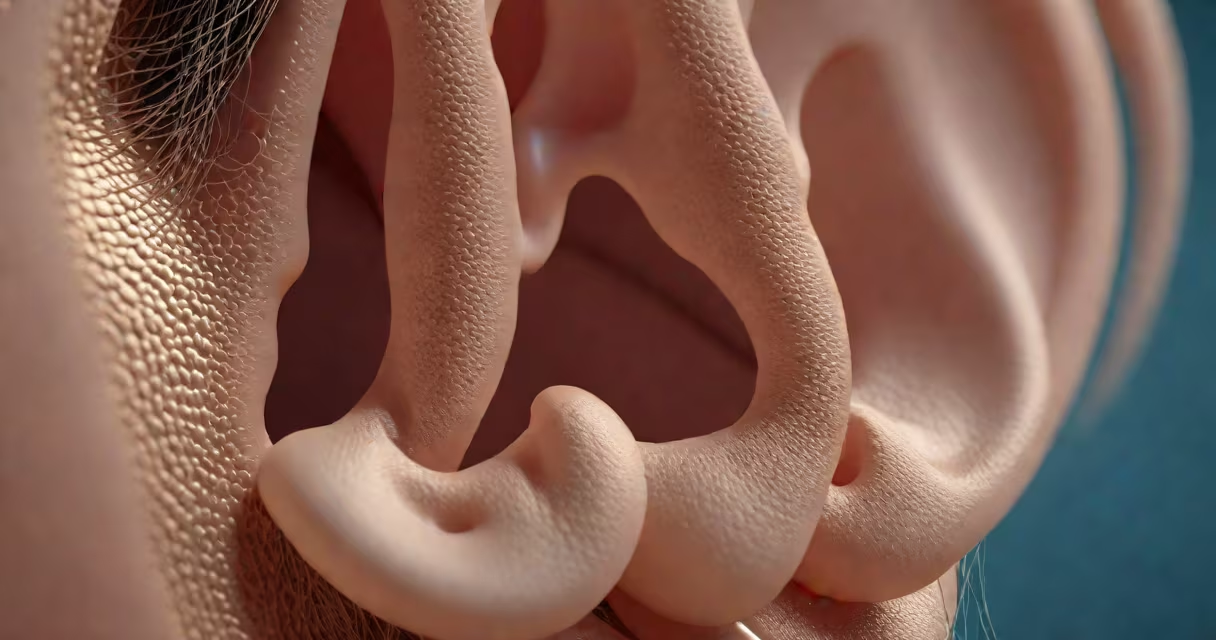
Ringing in the ears, medically known as tinnitus, occurs when the brain interprets neural signals from the auditory system as sound-even in the absence of external noise. This phantom perception affects about 15% of adults in the U.S., according to the American Tinnitus Association.
Tinnitus results from disruptions in the complex network of nerves, hair cells, and auditory pathways from the inner ear to the brain. The most common trigger is prolonged exposure to loud sounds, which damages sensory hair cells in the cochlea. Once damaged, these cells send erratic signals to the brain, interpreted as ringing, buzzing, or hissing. A single event-like a gunshot or explosion-can also initiate tinnitus, especially if protective measures were not used.
Other contributors include age-related hearing decline (presbycusis), earwax buildup blocking the ear canal, and certain medications such as aspirin, ibuprofen, or specific antibiotics. High blood pressure and temporomandibular joint (TMJ) disorders can also cause pulsatile tinnitus-ringing that beats in time with the heartbeat-due to vascular or muscular tension near the ear.
The auditory cortex doesn't simply passively receive input-it actively processes and interprets signals. When input from the inner ear diminishes due to damage, the brain compensates by increasing neural activity in underused regions. This hyperactivity manifests as perceived sound, even when no actual sound exists.
Functional MRI studies show that people with chronic tinnitus exhibit heightened activity in the primary auditory cortex and the limbic system, which governs emotional response. This explains why tinnitus often feels distressing-not just annoying. The brain's attempt to "fill the gap" in sensory input creates persistent internal noise.
A 2020 study published in Nature Neuroscience demonstrated that in mice with induced hearing loss, neurons in the auditory cortex began firing spontaneously. After several weeks, these spontaneous bursts correlated with behavioral signs of tinnitus, supporting the theory that neural misfiring drives the condition.
Tinnitus varies in quality, timing, and origin. It may affect one or both ears, appear intermittently or constantly, and differ in pitch and volume.
| Type | Description | Common Causes |
|---|---|---|
| Subjective | Only the person hears it. Most common form. | Noise trauma, hearing loss, age-related decline |
| Objective | Can be heard by a doctor during examination. | Vascular issues, muscle spasms, middle ear abnormalities |
| Pulsatile | Beats in sync with the pulse. | High blood pressure, arteriovenous malformations, TMJ dysfunction |
| Constant | Continuous ringing or buzzing. | Chronic noise exposure, ototoxic drugs, neurological conditions |
One non-obvious distinction: objective tinnitus is rare-accounting for less than 1% of cases-and usually requires specialized equipment to detect. It's often linked to physical structures like blood vessels or muscles near the ear, not nerve damage.
People frequently confuse tinnitus with other auditory sensations. For example, ear fullness or pressure-common during colds or allergies-is not ringing. It results from Eustachian tube dysfunction, which regulates middle ear pressure. If blocked, fluid builds up, causing muffled hearing and discomfort.
Another frequent mix-up is vertigo or dizziness. While tinnitus and balance issues can coexist-especially in Meniere's disease-they stem from different parts of the inner ear. Tinnitus arises from the cochlea; balance problems originate in the vestibular system. Misdiagnosis delays proper care.
I once observed a patient who reported constant ringing after attending a rock concert. Initial assessment suggested noise-induced tinnitus. But after audiometry revealed normal thresholds, we discovered he had undiagnosed high-frequency hearing loss from years of working in construction. Removing him from noisy environments and using sound therapy reduced symptoms.
Ring in the ears lasting more than a few days after loud noise exposure warrants evaluation. Persistent tinnitus-especially if unilateral or pulsatile-should prompt a visit to an ENT specialist. Early diagnosis improves outcomes.
According to the Mayo Clinic, sudden onset tinnitus accompanied by hearing loss may indicate a stroke or acoustic neuroma-a benign tumor on the auditory nerve. These require imaging, such as MRI, to rule out.
If your symptoms persist beyond a week, especially with headaches, vision changes, or facial numbness, seek immediate care. These could signal neurological involvement.
Understanding what causes your ears to ring begins with recognizing that it's not a standalone symptom but a signal from the auditory system. Identifying the underlying cause-whether environmental, physiological, or neurological-directs effective intervention. Early action reduces risk of chronic suffering and supports better quality of life.