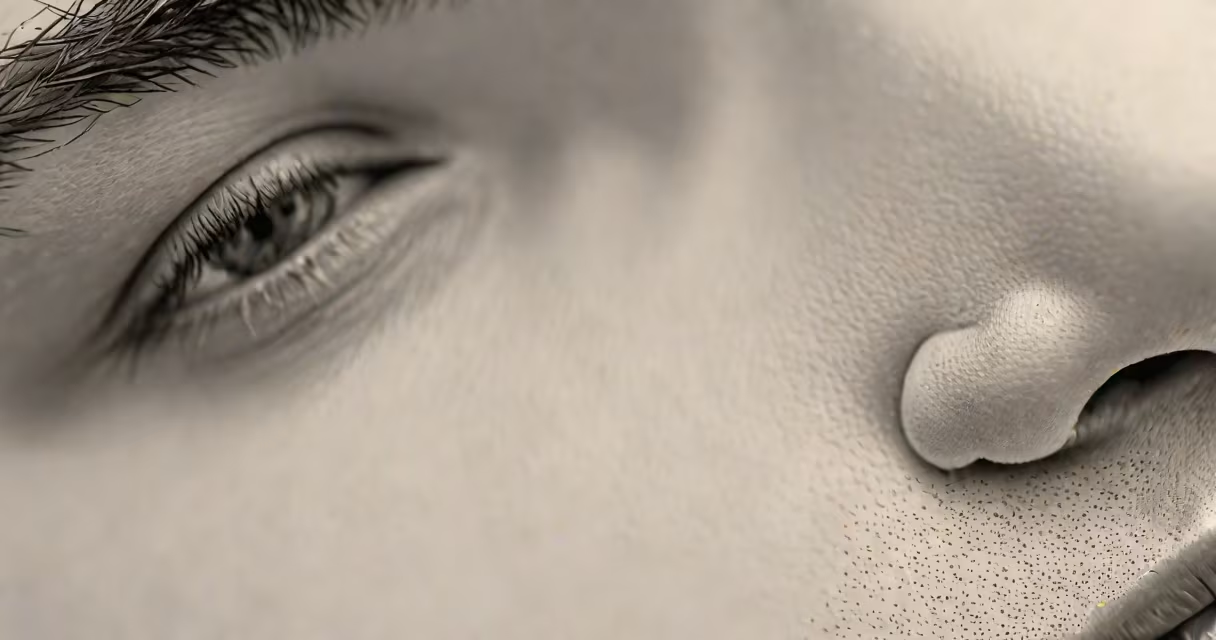
A bump in your nose results from bone or cartilage irregularities, trauma, infections, or skin conditions such as cysts or piercings. These changes may appear suddenly or develop over time due to injury, inflammation, or congenital structure.
The nose contains both bone and cartilage. The upper third is formed by bone, while the lower two-thirds consist of flexible cartilage. A bump typically forms where these tissues meet or where cartilage is uneven. Trauma-such as a fall, sports injury, or even a punch during a fight-can displace or fracture nasal bones, leading to a visible lump. In some cases, the bump appears days or weeks after the injury due to swelling or scar tissue formation.
Genetics play a major role. Some people inherit a naturally prominent nasal bridge or asymmetrical cartilage. These features often go unnoticed until adolescence or adulthood when facial growth completes. A bump may also stem from a nasal cyst-a fluid-filled sac that develops beneath the skin. These are usually painless but can grow large enough to alter the nose's shape.
Bumps differ based on cause. Understanding the origin helps determine whether medical attention is needed.
| Type | Common Cause | Appearance & Symptoms | Typical Treatment |
|---|---|---|---|
| Post-traumatic | Fracture or blunt force injury | Raised area, bruising, swelling within 24-72 hours | Immediate evaluation; possible surgical repair if displaced |
| Genetic/structural | Inherited nasal anatomy | Stable over time, often symmetrical | Not treated unless cosmetic concern arises |
| Cystic | Blocked sebaceous gland or epithelial cell proliferation | Round, firm, slow-growing lump under skin; may drain pus | Surgical excision if symptomatic or growing |
| Piercing-related | Rejection, infection, or granuloma formation | Redness, swelling, discharge around piercing site | Remove jewelry; antibiotics; consult dermatologist |
One non-obvious distinction: a bump caused by a cyst is not the same as a keloid. Keloids are abnormal scar tissue that grows beyond the original wound site. They're more common in people with darker skin tones and can form after minor skin trauma like a scratch or piercing. Unlike cysts, keloids are often painful, itchy, and continue to grow over months.
During a routine visit to my dermatologist, I saw a patient with a bump on his left nostril. He'd gotten a nose ring at age 16. Over five years, the bump grew larger, became red, and leaked yellow fluid. Biopsy confirmed a granuloma-an immune response to the metal in the piercing. Removing the jewelry and using steroid cream resolved the issue. This case shows that even low-risk procedures can lead to long-term complications if ignored.
Not all bumps are harmless. A sudden increase in size, pain, warmth, or drainage signals infection or tumor development. The American Academy of Dermatology notes that persistent nasal lumps should be evaluated if they last longer than six weeks or change in texture.
One rare but serious condition is squamous cell carcinoma of the nasal vestibule. It often begins as a small, painless bump that gradually ulcerates. Early detection improves survival rates. According to the National Cancer Institute, nasal cancers account for less than 1% of all cancers but are more common in people exposed to wood dust, nickel, or formaldehyde.
If a bump appears after a recent injury and is accompanied by difficulty breathing through the nose, a crooked appearance, or blood in mucus, seek care within 72 hours. Delayed treatment increases the risk of permanent deformity. The American Society of Plastic Surgeons recommends that nasal fractures be assessed within 7-10 days to allow for accurate reduction before bones heal in a misaligned position.
Many assume a bump is always due to a broken nose. That's false. A bump can develop from normal variation in nasal structure. For example, a study published in *Plastic and Reconstructive Surgery* found that 38% of adults have some degree of nasal asymmetry without any history of trauma.
Another myth: "Piercings always cause bumps." While piercing sites can develop granulomas or cysts, most heal without issues. Proper hygiene, using sterile jewelry, and avoiding frequent touching reduce risks. The Centers for Disease Control and Prevention reports that 1 in 10 people with facial piercings experience complications, most involving mild irritation or localized swelling.
Some confuse a bump with a deviated septum. A deviated septum occurs when the thin wall between the nostrils shifts off-center. It can cause breathing difficulties, but it doesn't create a visible bump on the outside of the nose. A bump is external; a deviated septum affects internal airflow.
If a bump is new, painful, growing rapidly, or draining fluid, consult a healthcare provider. A primary care doctor or dermatologist can assess the lesion. If imaging or biopsy is needed, they'll refer you to an ENT specialist or plastic surgeon.
For those considering cosmetic correction, rhinoplasty can reshape the nose. However, it's not recommended for temporary swelling or minor asymmetry. The procedure carries risks including infection, scarring, and loss of sensation. The American Board of Facial Plastic and Reconstructive Surgery advises waiting at least six months after trauma before considering surgery to allow for full healing.