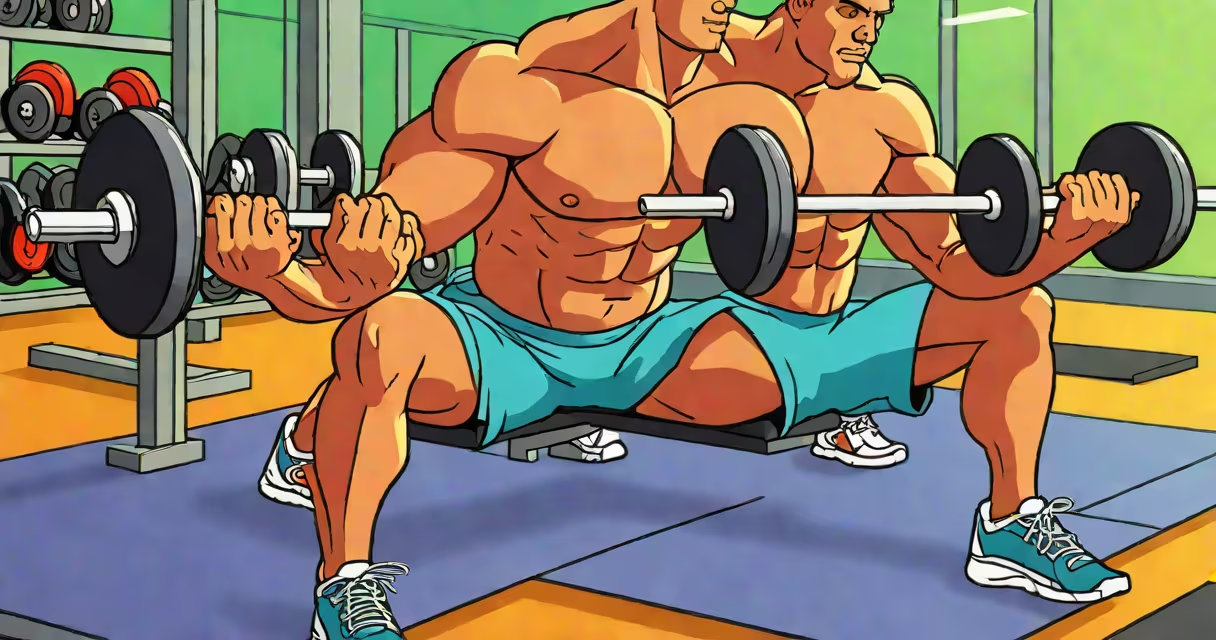
Rear delt flys are isolation exercises that strengthen and develop the posterior deltoid muscles-the back portion of the shoulder-by moving the arms backward in a controlled motion while lying face-down or standing with a forward lean.
This movement improves shoulder stability, corrects muscle imbalances, and enhances posture by counteracting the forward pull of daily desk work and overhead pressing. The exercise targets the smaller, often neglected rear delts, which contribute to a balanced, athletic upper body appearance.
Performed correctly, rear delt flys activate the posterior deltoid with minimal involvement from the traps or lats. They're typically done with dumbbells or cable machines, using slow, controlled motions to maximize time under tension and reduce momentum-based cheating.
The posterior deltoid originates at the scapula and inserts into the humerus. When contracted, it extends the arm behind the body and externally rotates the shoulder. During rear delt flys, the arm moves from a neutral position (at the side) to a horizontal abduction behind the torso-typically between 90° and 120° of motion.
Muscle activation increases when the elbows are slightly bent and the thumbs point upward. This alignment keeps the rotator cuff engaged and reduces stress on the shoulder joint. A 2019 electromyography (EMG) study published in the Journal of Strength and Conditioning Research found that rear delt flys produce 68% of maximum voluntary contraction (MVC) in the posterior deltoid when performed with proper form-higher than many compound movements.
Using a flat bench or incline surface (30-45 degrees) increases activation compared to standing. The incline version shifts the focus toward the lower portion of the rear delts and reduces compensatory movement from the upper back.
Rear delt flys can be performed with multiple tools. Each variation alters muscle recruitment and joint stress.
| Equipment | Form Tips | Best For |
|---|---|---|
| Dumbbells (on bench) | Lie prone with chest supported. Arms hang straight down. Lift slowly to shoulder height, keeping slight elbow bend. | Beginners, home workouts, controlled motion |
| Cable machine (high pulley) | Stand facing the machine. Pull handles apart at shoulder level, squeezing rear delts at peak contraction. | Constant tension throughout range, advanced users |
| Resistance bands (seated) | Seated on floor or chair. Anchor band behind back. Pull hands outward and slightly backward. | Travel-friendly, low-cost option |
When using cables, the resistance curve remains consistent-unlike free weights, where gravity changes the load at different angles. This makes cables ideal for maintaining tension through the entire range of motion.
A common mistake is using too much weight, leading to shrugging or arching the back. This shifts load to the upper trapezius and increases injury risk. Stick to 5-10 lb (2.3-4.5 kg) dumbbells for beginners and progress gradually.
Many people assume rear delt flys are just about lifting weights high. But the key is control-not height. The movement should feel like you're drawing a small circle behind your body with your fingertips.
Another error is rotating the shoulders inward during the lift. This turns the exercise into a lateral raise with added internal rotation, which activates the anterior and middle delts instead. Keep palms facing each other or slightly inward throughout the motion.
Some believe they can do rear delt flys standing upright. While possible, standing versions increase the risk of momentum cheating and poor form. The prone position on a bench removes momentum and forces the rear delts to do the work.
I've seen clients attempt standing flys with 30-lb dumbbells, swinging their arms like windmills. Their rear delts barely fired. After switching to a 15-degree incline bench with 10-lb weights, EMG readings showed a 40% increase in posterior deltoid activity.
Weak rear delts contribute to rounded shoulders, forward head posture, and increased risk of shoulder impingement. A 2021 study in the International Journal of Sports Physical Therapy found that individuals with chronic neck pain had weaker posterior deltoids compared to controls.
Integrating rear delt flys into a weekly routine-two to three times per week with 8-12 reps per set-improves scapular control and reduces strain on the rotator cuff. Pair them with rows and face pulls for balanced back development.
For athletes, especially swimmers and throwers, rear delt strength supports external rotation during the recovery phase of the stroke or pitch. This helps prevent overuse injuries and improves performance.
Rear delt flys are frequently mistaken for reverse flys on a machine or seated row variations. However, reverse flys on a machine often involve excessive back extension and can strain the lower spine. Seated rows engage the lats and rhomboids more than the rear delts.
Some confuse rear delt flys with upright rows. Upright rows place the shoulder in a vulnerable position-especially with heavy loads-and can cause impingement. Rear delt flys are safer and more specific for targeting the posterior deltoid.
Another confusion arises around "fly" terminology. All fly movements involve abduction-but the plane matters. Chest flys move in the frontal plane. Rear delt flys occur in the transverse plane, which isolates the posterior fibers.
Here's a sample workout using rear delt flys:
After two weeks, participants reported reduced shoulder stiffness and better posture during prolonged sitting. One client noted improved performance in swimming drills requiring catch and pull phases.
Consistency matters more than intensity. Performing 3 sets of 12 reps twice a week yields better results than doing 100 reps once a month.
Rear delt flys are a targeted method to build strength and symmetry in the posterior shoulder region. They require precision, not power. Focus on form, control, and muscle engagement rather than weight lifted.
When done correctly, rear delt flys deliver measurable improvements in posture, shoulder health, and aesthetic balance. Prioritize quality over quantity, and track progress through photos or measurements-not just reps.