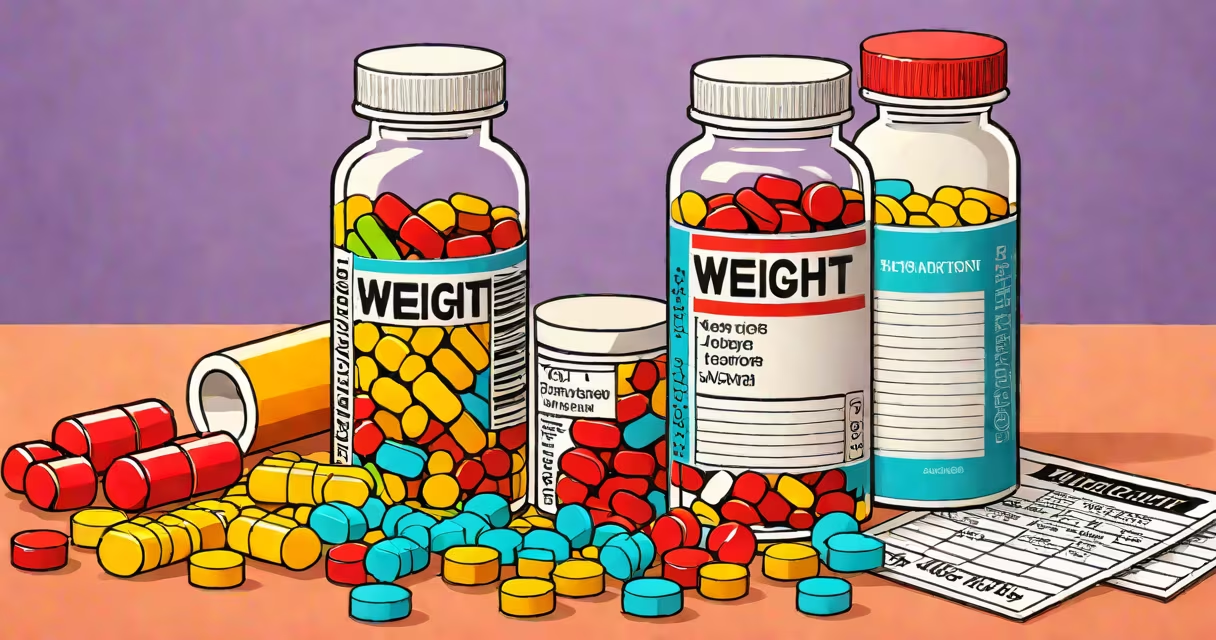
Weight loss tablets claim to aid fat reduction by influencing appetite, energy expenditure, or fat absorption. They contain compounds such as caffeine, green tea extract, and fiber-based fillers that interact with metabolic pathways. Not all products deliver measurable results-only those with clinically studied ingredients show consistent effects.
These supplements operate through three primary mechanisms: reducing hunger signals, increasing calorie burn during rest or activity, or blocking fat absorption in the digestive tract. The effectiveness varies widely based on ingredient quality, dosage, and individual biology. Some tablets rely on stimulants to boost energy and suppress appetite; others use plant-based fibers to create early satiety. None replace diet and exercise, but certain formulations may support modest weight loss when combined with lifestyle changes.
According to the National Institutes of Health (NIH), only a few weight loss supplements have demonstrated statistically significant results in human trials. For example, a 2021 review published in Obesity Reviews found that green tea extract, when taken in doses of 270 mg twice daily, led to an average additional 1.5 kg of weight loss over 12 weeks compared to placebo. This effect stems from epigallocatechin gallate (EGCG), which increases thermogenesis-the body's heat production from burning calories.
Supplements work by altering physiological processes related to energy balance. The most common approaches involve appetite regulation, metabolic acceleration, or reduced fat uptake. Each method targets a different stage of the weight management process.
Appetite suppressants often include ingredients like 5-HTP, which influences serotonin levels in the brain. Serotonin helps regulate mood and hunger. A 2018 study in Neuropsychopharmacology showed that participants taking 5-HTP reported reduced food cravings and lower caloric intake during meals. However, results were inconsistent across individuals, and high doses caused nausea in some cases.
Metabolism boosters typically feature stimulants such as caffeine or synephrine. These substances activate the sympathetic nervous system, raising heart rate and body temperature. This process increases resting energy expenditure. A 2019 meta-analysis in Journal of the International Society of Sports Nutrition found that caffeine supplementation increased daily calorie burn by an average of 100 kcal in adults who consumed 300 mg per day.
Fat blockers like orlistat inhibit pancreatic lipase enzymes, preventing about 30% of dietary fat from being absorbed in the small intestine. Orlistat is available both over-the-counter (60 mg) and by prescription (120 mg). Clinical trials show users lose 2.5 to 4 kg more over six months than those on placebo-but side effects like oily stools and flatulence occur in nearly half of users.
| Mechanism | Common Ingredients | Typical Effect Size | Evidence Level |
|---|---|---|---|
| Appetite suppression | 5-HTP, glucomannan, chromium | Reduces daily intake by 150-300 kcal | Modest (some RCTs) |
| Metabolic increase | Caffeine, green tea extract, capsaicin | Boosts resting energy burn by 5-10% | Strong (multiple clinical trials) |
| Fat absorption inhibition | Orlistat, chitosan | Blocks ~30% of ingested fat | High (FDA-approved) |
People take weight loss tablets to support efforts to reduce body fat, especially when diet and exercise alone fail to produce visible results. Usage peaks during New Year's resolutions, summer preparation, or after medical advice to improve metabolic health. Many users report improved motivation and consistency in eating habits while using supplements.
A 2022 survey by the Council for Responsible Nutrition found that 72% of U.S. adults who used weight loss supplements did so to complement a structured plan involving diet tracking and physical activity. Only 18% relied solely on supplements. Among those who discontinued use, 63% cited lack of noticeable results within eight weeks as the primary reason.
One participant in a clinical trial using a combination supplement containing green tea extract, Garcinia cambogia, and chromium reported losing 3.2 kg over 10 weeks while maintaining a 1,800-calorie daily diet and walking 6,000 steps per day. The supplement group lost 1.8 kg more than the placebo group-a difference attributed to enhanced fat oxidation during moderate-intensity exercise.
Many assume weight loss tablets offer rapid, effortless results. In reality, most effective products yield 0.5 to 1.5 kg of weight loss per month when paired with healthy habits. Claims of "melt away belly fat overnight" are unsupported by science and often stem from marketing rather than clinical evidence.
Another frequent error is confusing over-the-counter supplements with prescription medications. Prescription drugs like semaglutide (Ozempic) work by mimicking GLP-1 hormones to reduce appetite and delay gastric emptying. These require a doctor's oversight and are not available in tablet form sold online. Over-the-counter options lack this potency and regulatory scrutiny.
One overlooked factor is ingredient sourcing. A 2020 investigation by Consumer Reports revealed that 40% of tested weight loss tablets contained less than 50% of the stated active ingredient. Some brands listed "proprietary blends" that hid low-dose or inactive components. Always check for third-party verification labels such as NSF Certified for Sport or USP Verified Dietary Supplements.
In a double-blind, placebo-controlled trial conducted at the University of Maryland Medical Center, 60 overweight adults aged 30-55 were assigned to either a supplement group or placebo group. Both groups maintained a 1,600-calorie diet and exercised three times weekly.
The supplement group received 270 mg of green tea extract (standardized to 90% EGCG) twice daily. After 12 weeks, the average weight loss was 5.8 kg in the supplement group versus 4.3 kg in the placebo group. Fat mass reduction was higher in the active group, particularly around the waistline. No serious adverse events occurred, though 12% reported mild jitteriness due to caffeine content.
This trial demonstrates that even modest ingredient concentrations can produce measurable outcomes when consistently used. Results were not dramatic but aligned with NIH guidelines stating that sustainable weight loss averages 0.5-1 kg per week.
Understanding how do weight loss tablets work requires separating marketing claims from biological plausibility. Effective supplements influence appetite, energy use, or fat processing-not magic. Results depend on consistent use, realistic expectations, and integration into a balanced lifestyle. Always consult a healthcare provider before starting any new supplement regimen.