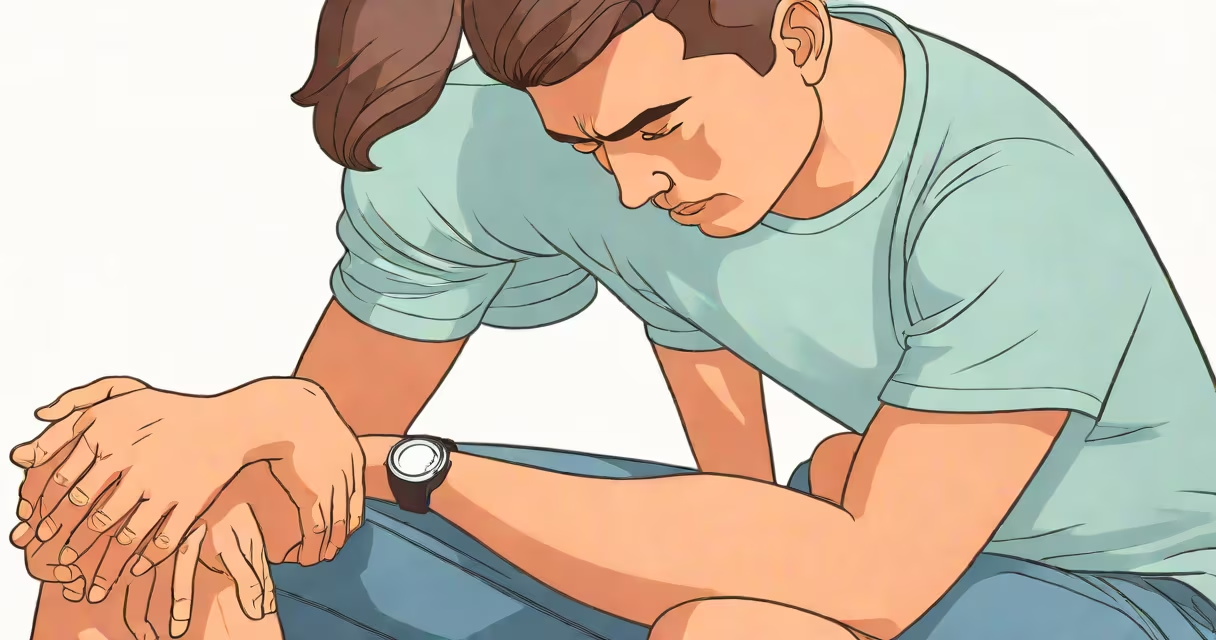
Occasional left testicle pain often results from minor trauma, muscle strain, or temporary swelling, but recurring or sharp pain may signal conditions like epididymitis, varicocele, or testicular torsion-each requiring different evaluation and treatment.
Testicular pain is usually localized to one side and varies in intensity. A dull ache may last hours; a sudden, severe pain demands immediate attention. The testicles are highly sensitive due to dense nerve endings, making even mild irritation feel intense. Pain can radiate to the lower abdomen or groin, mimicking other issues such as kidney stones or hernias.
Most cases resolve within days without intervention. However, when pain persists beyond 24 hours, worsens, or includes swelling, redness, fever, or nausea, medical assessment is essential. Delayed diagnosis increases risk of permanent damage, especially in acute conditions.
Pain originates from nociceptors-nerve endings that detect tissue stress. In the scrotum, these respond to pressure, inflammation, or ischemia (reduced blood flow). The spermatic cord, which houses blood vessels and nerves, runs from the abdomen to each testicle. Any disruption along this path can trigger pain signals to the brain.
For example, during physical activity, sudden movement can stretch the spermatic cord, causing brief discomfort. This is normal and typically resolves quickly. But if the cord twists-called torsion-it cuts off blood supply. Within 6 hours, tissue begins dying. After 12 hours, surgical salvage drops below 50%, according to the American Urological Association (AUA).
Another mechanism involves inflammation. Epididymitis, an infection of the epididymis (a coiled tube behind the testicle), causes swelling and pressure. It's often bacterial, linked to sexually transmitted infections like chlamydia or gonorrhea. Symptoms include gradual onset pain, swelling, and warmth-sometimes with discharge or urinary symptoms.
Conditions causing left testicle pain fall into several categories based on origin and mechanism:
| Type | Key Features | Prevalence | Urgency |
|---|---|---|---|
| Testicular torsion | Sudden, severe pain; testicle elevated; no reflex on exam | 1 in 4,000 males aged 12-18 | Emergency (requires surgery within 6 hours) |
| Epididymitis | Gradual onset; swelling; fever; urinary symptoms | 1 in 1,000 men annually | Medical evaluation needed |
| Varicocele | Dull, aching pain; "bag of worms" sensation; worse after standing | 15% of men; more common on left side | Monitor unless painful or affecting fertility |
| Referred pain | Pain from abdominal or pelvic organs; often dull and non-localized | Less than 5% of testicular pain cases | Treat underlying condition |
Varicoceles affect about 15% of men, most commonly on the left due to anatomical differences in venous drainage. They're often discovered incidentally during routine exams. While many cause no symptoms, some lead to chronic discomfort or reduced fertility. Ultrasound confirms diagnosis.
Referred pain from the appendix, bladder, or prostate can mimic testicular pain. For example, a man with early appendicitis may report left-sided groin pain. This is rare but underscores the need for proper evaluation-especially if pain shifts or lacks localizing signs.
Many assume occasional testicle pain is harmless. But dismissing sharp or worsening pain risks missing life-altering diagnoses. Testicular torsion occurs most frequently in adolescents and young adults, though it can happen at any age. The AUA reports that 30% of torsion cases occur in boys under 14.
A key red flag is the absence of the cremasteric reflex-the involuntary contraction of the cremaster muscle when the inner thigh is stroked. In torsion, this reflex is lost because the cord is twisted. A doctor checks this during a physical exam. If absent, imaging or surgery follows immediately.
I once saw a 16-year-old boy who reported intermittent left testicle pain for two weeks. He assumed it was due to sports. On exam, the reflex was gone. An ultrasound confirmed torsion. Surgery restored blood flow, but he lost 30% of testicular function. Early recognition prevented complete loss.
Testicular pain is often mistaken for inguinal hernia, which presents with a bulge in the groin and discomfort during lifting. Unlike testicular pain, hernia pain doesn't localize to the scrotum and may disappear when lying down. Misdiagnosis delays treatment and increases risk of incarceration.
Some confuse varicocele with hydrocele-an accumulation of fluid around the testicle. Both can feel like a mass, but hydroceles are typically painless and transilluminate (light shines through them). Varicoceles do not.
Another misconception: pain always means infection. But torsion is mechanical, not infectious. Antibiotics won't help. Using antibiotics for unconfirmed infection wastes time and promotes resistance.
Seek medical attention if pain lasts longer than 24 hours, recurs frequently, or includes any of these signs: swelling, redness, fever, nausea, or inability to walk comfortably. Even mild pain with a history of trauma warrants evaluation.
Initial evaluation includes a physical exam and possibly an ultrasound. Doppler ultrasound detects blood flow. Absent flow indicates torsion. Urinalysis screens for infection. Blood tests may assess markers like CRP or WBC count if systemic illness is suspected.
For mild, transient pain without swelling or fever, rest and over-the-counter NSAIDs like ibuprofen may help. Avoid tight clothing and prolonged standing. But don't delay care if symptoms progress.
Testicular pain is not always a sign of disease-but it's never a reason to wait. Early diagnosis saves tissue, preserves fertility, and prevents long-term discomfort. If your left testicle hurts sometimes, know the difference between normal variation and a warning sign.