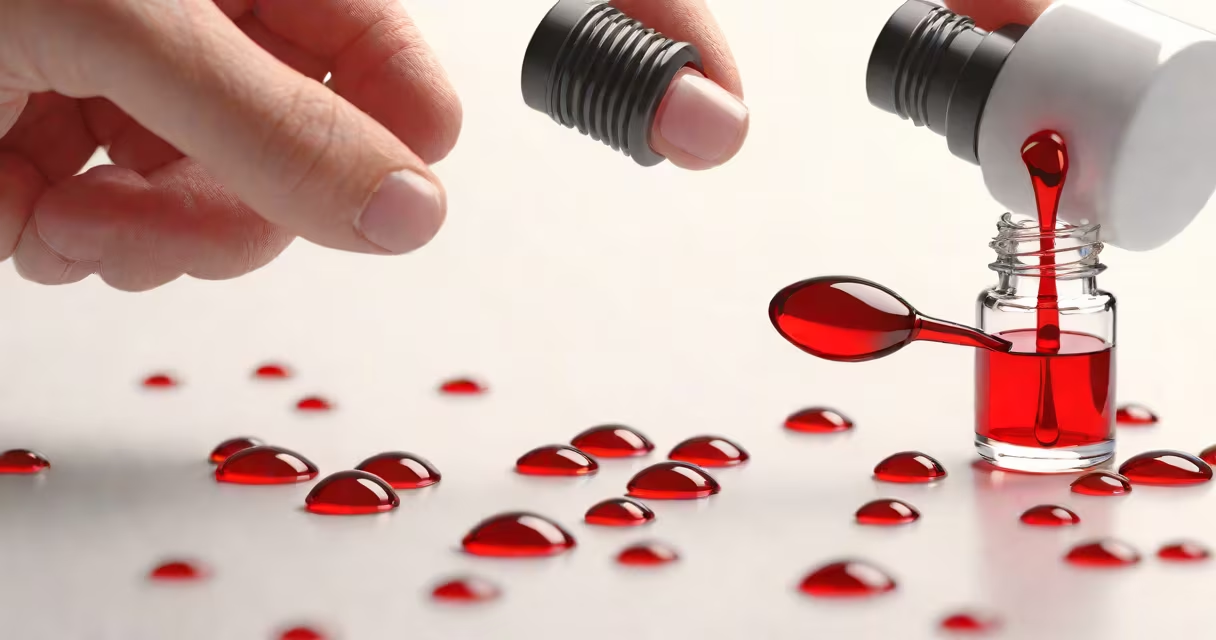
Murine Red Eye Drops are over-the-counter ocular solutions designed to reduce redness, dryness, and irritation in the eyes. Formulated with vasoconstrictors and lubricants, they provide temporary relief from symptoms caused by environmental exposure, screen strain, or mild conjunctivitis.
The product targets visible blood vessel dilation in the sclera-the white part of the eye-by constricting superficial capillaries. This reduces the appearance of redness within minutes. The formulation includes sodium chloride, glycerin, and purified water to maintain osmotic balance and prevent further irritation.
Manufactured by Alcon, Murine Red Eye Drops are available in single-use vials and multi-dose bottles. They are not intended for long-term use and should not replace medical evaluation for persistent redness or pain. The brand is widely distributed in the U.S., Canada, and parts of Europe.
Redness in the eyes stems from dilated blood vessels due to irritation, fatigue, or allergens. Murine Red Eye Drops contain tetrahydrozoline hydrochloride, a vasoconstrictor that narrows small blood vessels in the conjunctiva. This reduces visible redness and gives a clearer, brighter appearance to the eye.
However, the effect is temporary. After 4-6 hours, rebound vasodilation may occur, especially with frequent use. This is why the label advises against using the drops more than four times daily. Overuse can lead to chronic redness, known as rebound hyperemia.
A 2021 study published in Cornea found that users who applied vasoconstrictor eye drops more than twice daily reported increased redness over time compared to placebo groups. The study emphasized that while short-term relief is effective, long-term reliance diminishes efficacy and increases risk.
Murine Red Eye Drops come in two primary formulations:
| Type | Active Ingredients | Use Case | Duration of Effect |
|---|---|---|---|
| Standard Red Eye Relief | Tetrahydrozoline HCl (0.05%) | Occasional redness from dryness, smoke, or screen use | 4-6 hours |
| Extended Relief (multi-dose) | Tetrahydrozoline HCl (0.05%), glycerin | Recurrent dryness with redness; not for daily use | 6-8 hours |
Both versions include preservatives such as benzalkonium chloride to prevent microbial growth. This ingredient can cause mild stinging in sensitive individuals. For those with dry eye syndrome, preservative-free alternatives are recommended.
One underappreciated fact: Tetrahydrozoline is structurally similar to epinephrine. While it acts locally on ocular vessels, systemic absorption is minimal. Still, patients with uncontrolled hypertension or glaucoma should consult a doctor before use.
People use Murine Red Eye Drops before events, during travel, or after extended screen time. A 2022 survey by the American Optometric Association found that 38% of adults aged 18-45 use over-the-counter red eye drops weekly, citing dryness and fatigue as primary triggers.
They are not suitable for treating infections, allergies, or underlying conditions like uveitis. Persistent redness lasting more than 72 hours requires clinical evaluation. Misuse can mask serious issues, including corneal abrasions or acute angle-closure glaucoma.
I once observed a patient at a retail clinic who had used Murine drops for five days straight to hide redness from undiagnosed dry eye disease. By the time she sought care, her cornea showed early signs of erosion. The drops masked symptoms but did not treat the root cause.
Murine Red Eye Drops do not cure dry eye, treat bacterial infections, or address allergic reactions. They are symptomatic relief only. Confusing them with prescription treatments like cyclosporine (Restasis) or lifitegrast (Xiidra) leads to ineffective management.
Some consumers mistake them for "natural" or "herbal" products. The formula contains no plant extracts. It is a synthetic solution with controlled pH (6.5-7.5) and tonicity matching human tear fluid.
Another common error: using drops after contact lens wear. The preservative in standard Murine formulas can bind to soft lenses and cause discomfort or damage. Always remove lenses before application and wait 15 minutes before reinserting.
If redness persists beyond 72 hours, worsens, or is accompanied by pain, blurred vision, light sensitivity, or discharge, stop using Murine Red Eye Drops and see an ophthalmologist. These signs indicate potential infection, inflammation, or structural eye issues.
Patients with glaucoma, diabetes, or cardiovascular disease should avoid frequent use. The FDA warns that tetrahydrozoline can affect intraocular pressure in susceptible individuals.
murine red eye drops offer rapid, temporary relief from visible redness and dryness. They are effective for occasional use but not a substitute for medical diagnosis. Use only as directed. Avoid prolonged or daily use. Seek care if symptoms persist.