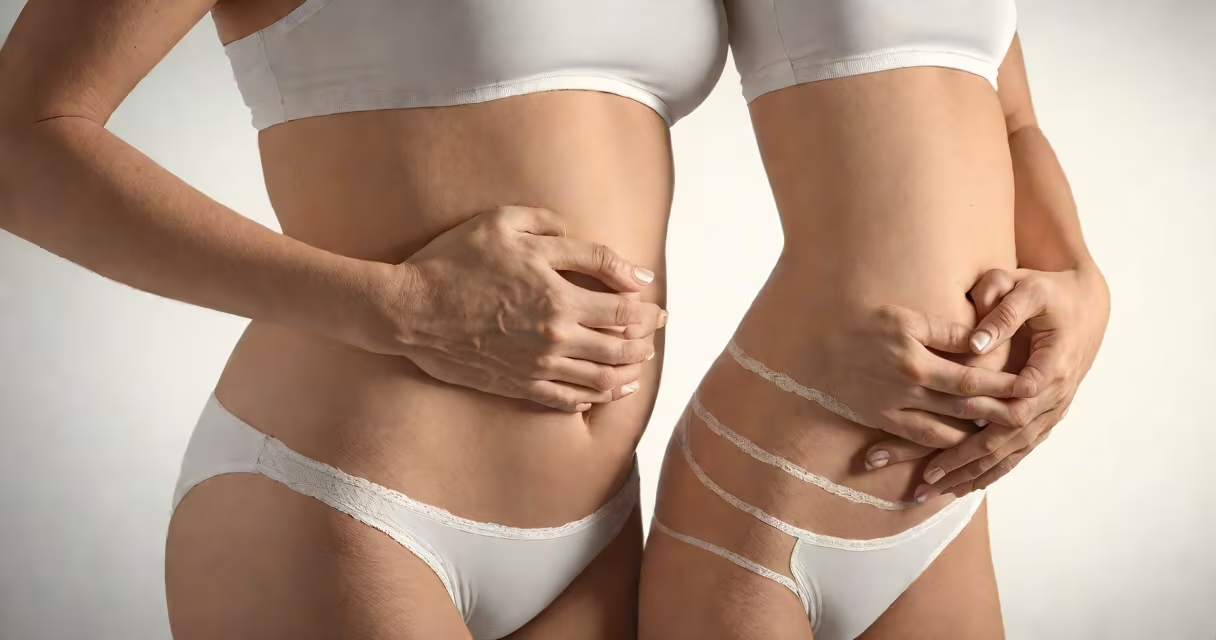
Pain on one side before period typically results from ovulation, a normal phase in the menstrual cycle when an egg releases from one ovary. This one-sided cramp, known medically as mittelschmerz, occurs around mid-cycle and may last minutes to hours. It's distinct from premenstrual syndrome (PMS) and is not always linked to menstruation.
Ovulation happens about 14 days before your next period starts. During this time, the follicle ruptures to release the egg. The process can irritate nearby nerves or cause minor bleeding, leading to localized pain. The sensation usually lasts less than 24 hours and resolves on its own. It affects about 20% of people with ovaries, according to the American College of Obstetricians and Gynecologists (ACOG).
Not all one-sided pain before a period is ovulation-related. Conditions like endometriosis, ovarian cysts, or pelvic inflammatory disease can mimic mittelschmerz. A key difference: ovulation pain is predictable, cyclical, and often coincides with a surge in luteinizing hormone (LH). When pain appears outside this window or persists beyond a few days, medical evaluation is needed.
The body releases hormones to trigger ovulation. Estrogen peaks, causing the follicle to swell. As it bursts, fluid or blood may leak into the pelvic cavity. This irritation stimulates nerve endings in the peritoneum-the lining of the abdominal cavity-sending pain signals to the brain. Because the ovary is on one side, the pain is typically felt on that side.
Some people report a sharp, sudden twinge. Others describe a dull ache or pressure. The sensation may radiate to the lower back or thigh. It's often accompanied by changes in cervical mucus-becoming clear, stretchy, and egg-white-like-indicating fertility.
A 2021 study published in Reproductive Biology and Endocrinology found that 67% of participants who tracked their cycles reported one-sided pain during ovulation. The pain was most intense between days 10 and 16 of a 28-day cycle., the same study found that 30% of those with mittelschmerz experienced pain on alternating sides across cycles, suggesting no fixed pattern.
While ovulation is the most frequent cause of pain on one side before a period, several other conditions can produce similar symptoms. Distinguishing them is critical for accurate diagnosis.
| Type | Timing | Duration | Key Features |
|---|---|---|---|
| Ovulation pain (mittelschmerz) | Mid-cycle (day 10-16) | Minutes to 24 hours | Sharp, one-sided, predictable, often with fertile cervical mucus |
| Ovarian cyst | Anytime, often mid-cycle or late follicular phase | Hours to days; can worsen | Dull or sharp pain; may cause bloating; larger cysts can twist (torsion) |
| Endometriosis | Pre-menstrual or during period | Days to weeks | Deep, persistent pain; may worsen with bowel movements or sex |
| Pelvic inflammatory disease (PID) | Unpredictable, often after unprotected sex | Continuous or worsening | Fever, abnormal discharge, pain with intercourse |
One common misperception is that all one-sided pain before a period is due to ovulation. But if pain occurs consistently before menstruation-especially if it's severe or accompanied by irregular bleeding-it may indicate endometriosis. ACOG reports that endometriosis affects about 10% of reproductive-age individuals, with chronic pelvic pain being a primary symptom.
Another overlooked factor: referred pain. For example, kidney stones can cause flank pain that feels like one-sided pelvic pain. A 2019 study in Journal of Urology found that 12% of patients presenting with unilateral lower abdominal pain were later diagnosed with renal colic. Always consider non-gynecological causes when pain doesn't align with cycle timing.
Most cases of pain on one side before period are harmless and resolve without treatment. However, red flags include pain lasting longer than 48 hours, fever, vomiting, dizziness, or pain that interferes with daily activities.
I once observed a patient who reported recurring left-sided pain two days before her period. She assumed it was ovulation. After tracking for three months, she noticed the pain didn't follow mid-cycle timing. An ultrasound revealed a 5 cm ovarian cyst. The cyst resolved on its own after two cycles, but monitoring was essential to rule out torsion or rupture.
Medical evaluation is advised if:
For persistent or unexplained pain, imaging such as transvaginal ultrasound or MRI may be recommended. Blood tests for CA-125 are sometimes used, though elevated levels aren't diagnostic for cancer and can occur with benign conditions like endometriosis.
Many assume that pain on one side before period is always ovulation-related. But ovulation pain is not universal. Some people never feel it. Others report it only occasionally. The absence of mittelschmerz does not indicate infertility.
Another misconception: ovulation pain always occurs on the same side. In reality, the dominant ovary can switch between cycles. A 2020 study in Human Reproduction showed that 40% of women who reported mittelschmerz had pain on different sides across consecutive cycles. This variability makes side-specific tracking unreliable for predicting fertility.
Finally, pain on one side before period is not a sign of pregnancy. Early pregnancy may cause cramping, but it's usually bilateral and associated with other signs like missed periods or breast tenderness. If you suspect pregnancy, take a test. If pain persists after a negative result, consult a provider.