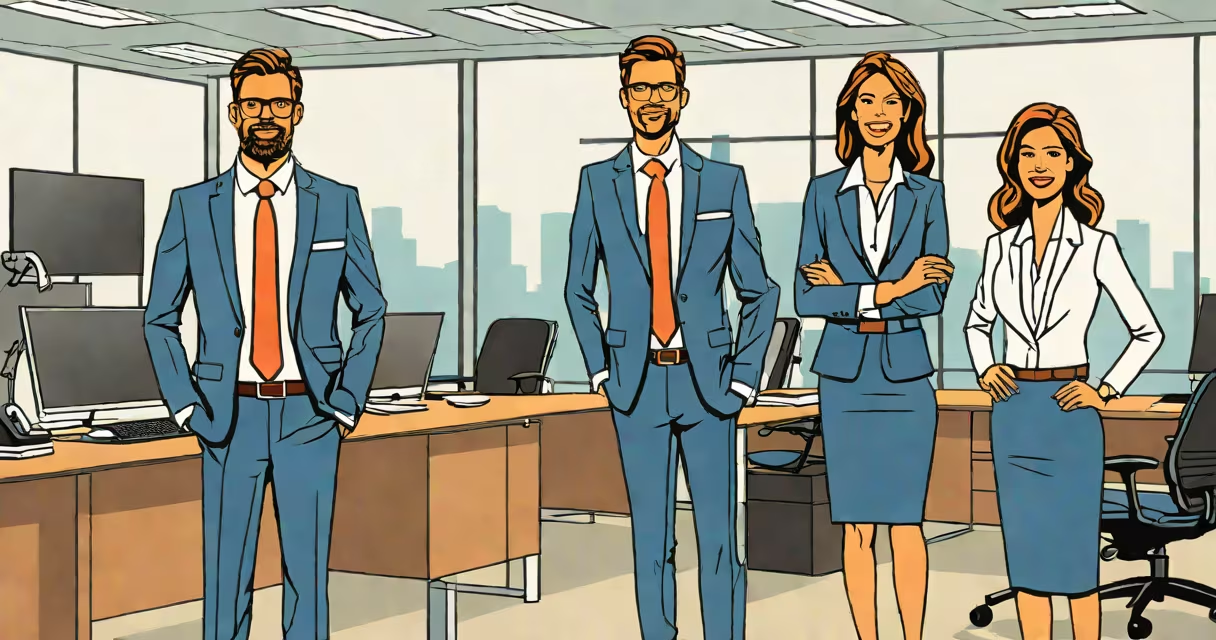
A business casual interview requires polished yet relaxed attire-no suits, but no jeans or sneakers either. Choose tailored pants or a knee-length skirt with a collared shirt, blouse, or sweater. Shoes should be closed-toe and low-heeled.
Business casual is not a free-for-all. It's a specific dress standard used in offices where formality is lower than formal business but higher than casual. The goal is to appear competent, respectful, and aligned with company culture-without over-dressing.
For men, a button-down shirt in solid or subtle patterned fabric, paired with chinos or dark trousers and loafers or oxfords, fits the standard. Women may wear a tailored blouse, knit top, or silk camisole with a pencil skirt, tailored slacks, or a knee-length dress. A blazer adds polish without crossing into formal territory.
Interviewers assess your professionalism through appearance. Clothing signals attention to detail, respect for the organization, and readiness for responsibility. A well-put-together look reduces cognitive load-they focus on your skills, not your outfit.
Most companies define business casual internally. Tech firms in San Francisco may allow a clean graphic tee under a blazer. A law firm in Chicago expects a suit jacket with dress pants. The key is matching the environment-not guessing.
When in doubt, research the company's website, LinkedIn page, or employee photos. If staff wear jeans, avoid them unless they're dark, well-fitted, and paired with a structured top. If employees wear blazers, bring one.
Focus on fit, fabric, and finish. Clothes should be wrinkle-free, stain-free, and not too tight or loose. Shirts should stay tucked. Shoes should be clean and polished.
Common errors include:
One candidate I interviewed wore a denim shirt with a tie and black jeans. The tie was neat, but the denim clashed with the rest of the look. The interviewer noted the mismatch during feedback and eliminated the candidate despite strong qualifications.
Not all business casual looks are equal. Some versions work better in certain industries or settings.
| Type | Best For | Outfit Example |
|---|---|---|
| Classic | Finance, legal, corporate roles | White button-down, navy slacks, brown loafers, no tie |
| Modern | Tech, creative agencies, startups | Dark gray merino wool sweater, charcoal trousers, minimalist leather shoes |
| Elevated | Client-facing, sales, management positions | Silk blouse, tailored pencil skirt, nude pumps, thin gold necklace |
"Elevated" business casual is often misunderstood. It's not "dressy." It's about refined materials and intentional styling. A silk blouse costs more than cotton, but the difference isn't price-it's texture, drape, and finish.
According to the Society for Human Resource Management (SHRM), 68% of hiring managers consider appearance a factor in initial screening. A 2023 survey by CareerBuilder found that 43% of employers rejected candidates due to inappropriate attire-even with strong resumes.
Not all casual clothing qualifies as business casual. The distinction lies in structure, material, and context.
Do wear:
Don't wear:
One rule that many miss: avoid anything with visible wear. A scuffed shoe or frayed cuff sends a message of carelessness. Even a $200 suit looks unprofessional if the hem is uneven or the buttons don't align.
I once reviewed a candidate's photo for a finance role. She wore a navy suit with a white blouse and silver heels. Her hair was neat, her posture confident. But her watch had a worn strap. The hiring manager flagged it during the review-"She seems prepared, but the watch suggests she doesn't value presentation." She didn't advance.
Before the interview, do a mirror check. Stand in front of a full-length mirror. Adjust your collar, smooth your sleeves, ensure your belt matches your shoes. Walk around. See if anything flaps or shifts.
Here's a real example: a software engineer applied for a mid-level position at a New York-based fintech firm. The job posting listed "business casual" as the expected dress code. He wore a light blue Oxford shirt, dark gray chinos, and brown leather loafers. He brought a navy blazer in his bag, which he wore after being asked to meet the team lead. His outfit was appropriate, consistent, and showed attention to detail.
He got the offer. The hiring manager later said, "He looked like someone who'd show up on time, contribute thoughtfully, and represent us well in meetings."