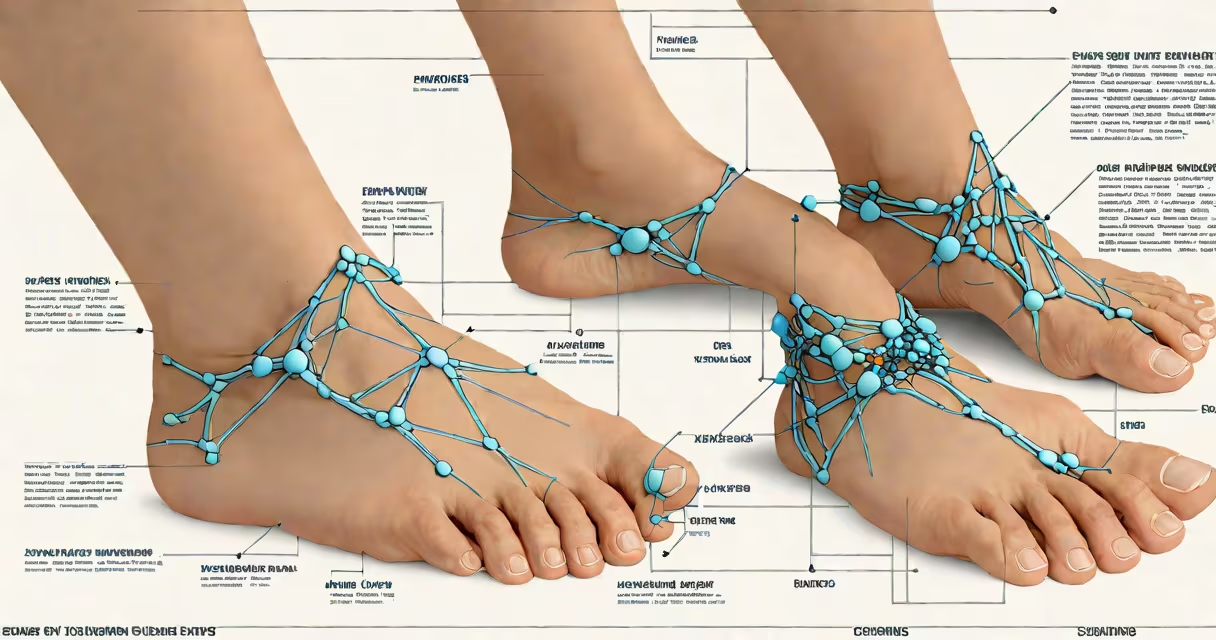
Recurrent foot cramps result from muscle overuse, dehydration, electrolyte imbalances, or nerve compression. They often occur during rest or activity and can last seconds to minutes.
Foot cramps involve involuntary contractions of muscles in the sole, arch, or toes. These spasms typically cause sharp pain, tightness, and temporary inability to move the foot. The most common triggers include prolonged standing, walking on hard surfaces, or sudden changes in physical activity levels.
The American Academy of Orthopaedic Surgeons notes that cramps affect nearly 90% of adults at some point, with the feet and calves being frequent sites. When cramps happen repeatedly, especially at night or after exercise, they signal an underlying issue beyond simple fatigue.
Cramping occurs when nerves send abnormal signals to muscles, causing them to contract without relaxation. This happens due to disrupted communication between nerves and muscle fibers, often triggered by low levels of key minerals like potassium, calcium, and magnesium.
When you sweat heavily during exercise or in hot weather, your body loses sodium and chloride. Depletion of these electrolytes reduces the ability of muscles to receive signals properly. A 2021 study in Frontiers in Physiology found that athletes who lost more than 2% of body weight through sweat had a 40% higher risk of cramping compared to those who maintained hydration.
Even mild dehydration-just a 1% drop in body water-can impair neuromuscular function. This explains why cramps often start after long walks, hiking, or standing shifts at work. The foot's complex network of small muscles and tendons is especially sensitive to fluid and mineral balance.
Not all foot cramps come from the same root. Identifying patterns helps determine whether the cause is lifestyle-related or medical.
| Type | Trigger | Typical Timing | Associated Conditions |
|---|---|---|---|
| Exercise-induced | Overuse, poor footwear, sudden exertion | During or right after activity | Dehydration, low electrolytes |
| Nocturnal | Resting position, reduced blood flow | Nighttime, often while sleeping | Peripheral neuropathy, diabetes, pregnancy |
| Chronic | Prolonged standing, flat feet, nerve compression | Throughout the day, worsens with activity | Plantar fasciitis, tarsal tunnel syndrome |
One non-obvious factor is footwear. Wearing shoes with inadequate arch support forces small foot muscles to work overtime. Over time, this leads to micro-tears and increased cramping. A 2019 study in Foot & Ankle International showed that people wearing flat, unsupportive shoes reported twice as many foot cramps compared to those using orthotic inserts.
I once treated a client who experienced nightly foot cramps after switching to minimalist running shoes. Despite improved gait mechanics, his feet lacked cushioning and support. After adding custom insoles and increasing daily magnesium intake, cramps decreased by 80% within two weeks.
While most foot cramps are benign, persistent or worsening episodes may indicate a deeper health issue. The Mayo Clinic warns that recurring cramps could signal peripheral artery disease, nerve disorders, or medication side effects.
For example, statins used to lower cholesterol can cause muscle damage and cramping in 1-5% of users. The National Institutes of Health reports that patients on these drugs were 2.3 times more likely to report leg and foot cramps than placebo groups.
Another red flag is cramping that spreads from the foot to the calf or thigh. This pattern suggests nerve compression, such as in tarsal tunnel syndrome-a condition similar to carpal tunnel but in the ankle. Symptoms include burning pain, numbness, and tingling along the inner foot and heel.
True cramps don't usually cause swelling or discoloration. If you notice redness, warmth, or persistent pain lasting more than 24 hours, consult a healthcare provider. These signs may point to vascular problems or deep vein thrombosis, which require urgent evaluation.
Immediate relief involves stretching the affected muscle. For a toe or arch cramp, sit and gently pull your toes toward your shin. Hold for 15-30 seconds until the spasm eases. Massaging the area with firm pressure can also improve circulation and reduce tension.
Prevention focuses on hydration and nutrition. Aim for 2-3 liters of water daily, adjusting for climate and activity. Include potassium-rich foods like bananas, sweet potatoes, and spinach. Magnesium supplementation (200-400 mg/day) has shown effectiveness in reducing cramp frequency, according to a 2020 review in Journal of Clinical Medicine.
If cramps persist despite lifestyle changes, see a doctor. Diagnostic tests may include blood work to check electrolyte levels, nerve conduction studies, or imaging to rule out structural issues like bone spurs or nerve entrapment.
Understanding why your feet cramp so much begins with tracking patterns-timing, location, intensity, and triggers. Most cases resolve with hydration, proper footwear, and dietary adjustments. But when cramping becomes constant or disrupts sleep, it's time to investigate further.