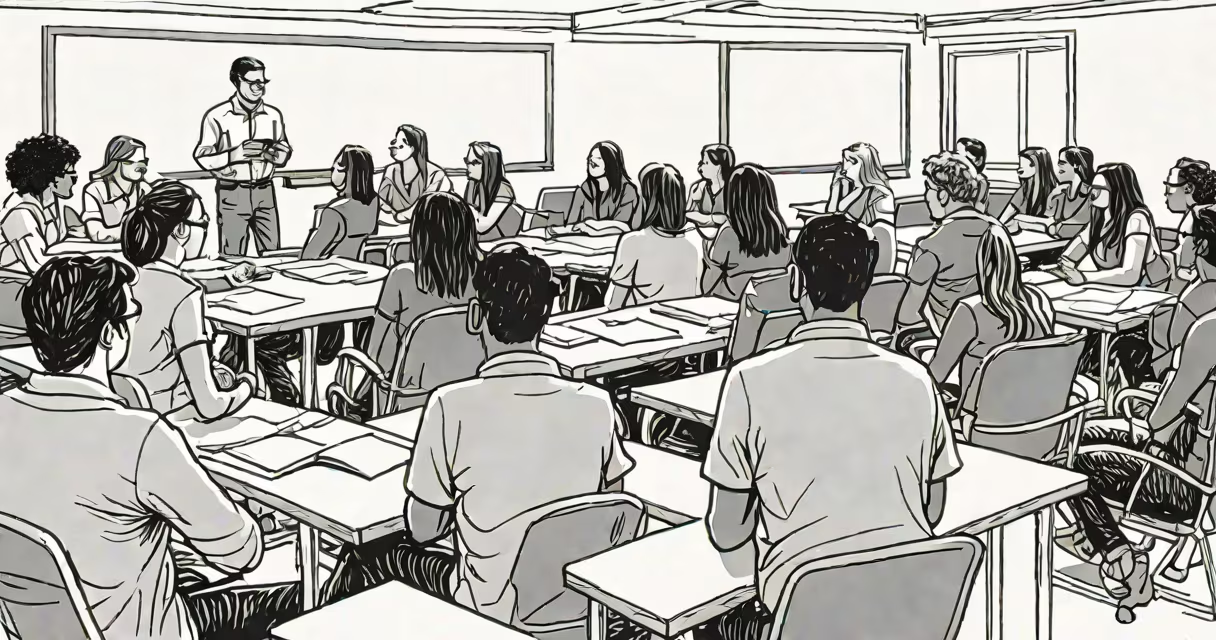
An interpersonal communication class is a structured academic course that teaches students how to understand, manage, and improve face-to-face interactions using verbal, nonverbal, and emotional cues. It focuses on real-world relationship dynamics, including conflict resolution, active listening, and empathy development. These courses are common in undergraduate programs in psychology, education, business, and social work.
Unlike theoretical communication theory, this class emphasizes applied skills. Students learn to recognize patterns in conversation, interpret body language, and adjust their own behavior based on feedback. The goal is not just to understand how people communicate-but to do it better.
According to the National Communication Association, 86% of employers rate interpersonal communication skills as essential for job success. A 2021 study published in the Journal of Applied Psychology confirmed that employees trained in interpersonal skills show 23% higher team performance scores than untrained peers.
Each session typically includes role-playing, small-group discussions, and reflective journaling. Students analyze real-life exchanges-such as disagreements between roommates or misunderstandings in team projects-to identify breakdown points and practice improved responses.
For example, during a module on conflict, students might simulate a scenario where two coworkers disagree on project deadlines. They're asked to identify the underlying emotional triggers, avoid blame language, and propose solutions using "I" statements. Afterward, they reflect on whether their approach reduced tension or escalated it.
Research from Stanford University's Center for the Study of Language and Information shows that participants who completed such training reported a 40% increase in perceived confidence during difficult conversations, even months later.
Interpersonal communication classes cover six core areas:
These topics are taught through guided exercises. One exercise involves recording a 3-minute conversation with a friend about a minor disagreement. Students then replay it, identifying moments where tone shifted, interruptions occurred, or assumptions were made. This builds metacognitive awareness-the ability to think about your own thinking during interaction.
These classes are most frequently taken in the first or second year of college. They're required in majors like nursing, counseling, and education because direct patient or client interaction demands emotional precision. Business students take them to prepare for leadership roles, sales, and team collaboration.
A 2022 report from the American Psychological Association found that 78% of college graduates cited interpersonal communication training as one of the most valuable experiences during their degree program. Many employers now list "effective interpersonal communication" as a top hiring criterion.
Outside academia, organizations like the United Way and local community centers offer free workshops based on the same curriculum. These sessions focus on de-escalation techniques for volunteers working with homeless populations or families in crisis.
Many assume this class is only for extroverts or those who want to be "better talkers." That's incorrect. Introverts often benefit more because the course teaches how to listen deeply and respond meaningfully-even when speaking less.
Another misconception is that it's purely about "soft skills" with no measurable outcomes. But research from the University of Michigan's Institute for Social Research shows that teams trained in interpersonal communication reduce workplace errors by 19% and improve meeting efficiency by 30%.
Some confuse it with public speaking or debate courses. While both involve verbal delivery, public speaking focuses on delivering messages to large audiences. Interpersonal communication is about two-way exchange, emotional attunement, and mutual understanding in real time.
I once facilitated a workshop for first-year college students using a modified version of this curriculum. One participant, a quiet engineering major, shared afterward that he'd never realized how much his silence during group meetings was interpreted as disinterest. After learning to nod, ask follow-up questions, and summarize others' points, his teammates began seeking him out for input. He said, "I didn't have to speak more-I just had to listen better."
Classes vary by institution and level of study. Here's a comparison of common formats:
| Type | Focus | Typical Duration | Example Course Code |
|---|---|---|---|
| Introductory Undergraduate | Foundations of verbal/nonverbal interaction, basic conflict tools | 1 semester (15 weeks) | COMM 101 |
| Advanced Undergraduate | Power dynamics, cultural differences, emotional intelligence | 1 semester (15 weeks) | COMM 320 |
| Graduate-Level | Therapeutic communication, organizational behavior, mediation | 1 quarter (10 weeks) | COMM 550 |
| Workshop/Short Format | Specific skill: active listening, managing anger, giving feedback | 2-4 hours | Workshop Series #3 |
Not all courses carry credit. Some institutions offer non-credit versions for staff development or student wellness programs. These may lack formal assessments but still deliver practical tools.
What is an interpersonal communication class? It's a structured, evidence-based approach to improving human connection. It equips individuals with tools to go through conflict, build trust, and express themselves and respectfully. The skills learned apply in romantic relationships, friendships, classrooms, workplaces, and healthcare settings.
Students who complete this course often report feeling more confident in social situations and better equipped to handle stress. The benefits extend beyond graduation-they last a lifetime.