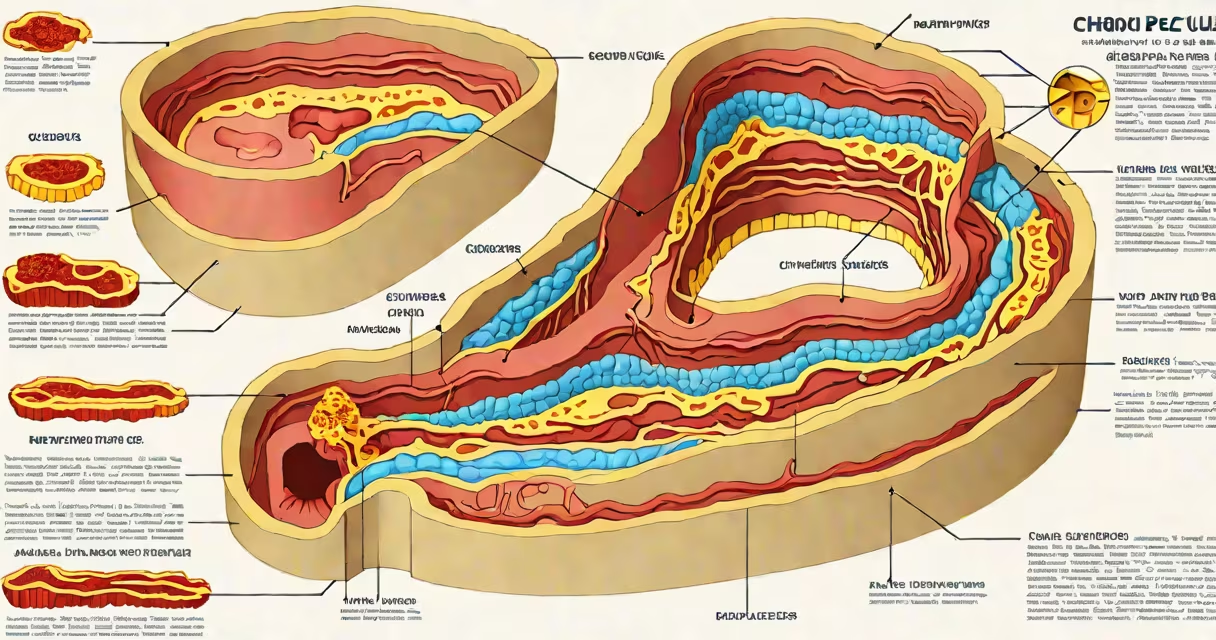
Chronic peptic ulcer disease refers to persistent, recurring ulcers in the lining of the stomach or the first part of the small intestine (duodenum), lasting longer than four weeks and often relapsing despite treatment. These ulcers result from an imbalance between protective factors like mucus and aggressive ones such as acid and pepsin.
Peptic ulcers form when the protective mucous barrier in the stomach or duodenum breaks down. This allows digestive acids and enzymes to damage underlying tissue. Chronic cases develop when the healing process fails or the injury recurs due to ongoing triggers. The condition affects approximately 10% of people at some point in life, with higher rates among those using nonsteroidal anti-inflammatory drugs (NSAIDs) or infected with Helicobacter pylori.
According to the American Gastroenterological Association, H. pylori infection causes about 80% of duodenal ulcers and 60% of gastric ulcers. The remaining cases stem from prolonged NSAID use, stress, smoking, or excessive alcohol consumption. Without treatment, ulcers can lead to bleeding, perforation, or obstruction-complications requiring hospitalization.
The stomach lining normally secretes mucus and bicarbonate to neutralize acid and protect epithelial cells. When this defense system weakens, acid penetrates deeper layers, causing inflammation and tissue erosion. In chronic peptic ulcer disease, this cycle repeats due to persistent irritants.
H. pylori bacteria survive in the acidic environment by producing urease, which converts urea into ammonia and raises local pH. This disrupts tight junctions between cells, allowing acid and toxins to enter. The immune system responds with chronic inflammation, further damaging the mucosa. Over time, this leads to fibrosis and scarring-hallmarks of chronic ulcers.
NSAIDs like ibuprofen and aspirin inhibit cyclooxygenase (COX) enzymes, reducing prostaglandin synthesis. Prostaglandins maintain blood flow to the mucosa and stimulate mucus production. Their loss increases vulnerability to acid injury. Long-term NSAID users have a 2-3 times higher risk of developing ulcers compared to non-users.
Peptic ulcers are classified by location: gastric ulcers occur in the stomach body or antrum; duodenal ulcers form in the duodenum's bulb region. Chronic ulcers are diagnosed when symptoms persist beyond four weeks or recur after initial healing.
| Type | Location | Primary Cause | Prevalence |
|---|---|---|---|
| Gastric ulcer | Stomach lining | H. pylori (50%), NSAIDs (30%) | ~20% of ulcers |
| Duodenal ulcer | First portion of small intestine | H. pylori (80%), stress, smoking | ~60% of ulcers |
| Postbulbar ulcer | Beyond duodenal bulb | Rare; associated with severe H. pylori or Zollinger-Ellison syndrome | <1% |
Diagnosis requires endoscopy to visualize the ulcer and biopsy to test for H. pylori. A urea breath test or stool antigen test confirms active infection. Imaging alone cannot distinguish between benign and malignant ulcers-biopsy is essential.
A key distinction missed by many sources: not all ulcers are painful. Up to 30% of patients with chronic peptic ulcer disease report no abdominal pain. Instead, they present with anemia from occult bleeding, weight loss, or vomiting. This silent presentation delays diagnosis and increases complication risks.
Many assume spicy food or stress directly cause ulcers. While stress may worsen symptoms, it does not initiate the condition. The primary drivers are H. pylori and NSAIDs. Stress-related ulcers are rare and typically occur in critically ill patients (stress ulcers), not in otherwise healthy individuals.
Another misconception is that ulcers heal quickly with antacids. Antacids provide temporary relief by neutralizing acid but do not address root causes. Healing takes weeks and requires targeted therapy-such as proton pump inhibitors (PPIs) or antibiotics for H. pylori.
I once observed a patient with a 12-year history of intermittent epigastric pain. He had tried over-the-counter antacids for years. Endoscopy revealed a large gastric ulcer with signs of scarring. Biopsy confirmed H. pylori. After dual antibiotic therapy and a PPI for eight weeks, the ulcer healed completely. His symptoms resolved, and he remained symptom-free for two years on maintenance PPI.
Standard treatment for H. pylori-positive ulcers includes a 14-day regimen of a PPI plus two antibiotics (clarithromycin and amoxicillin or metronidazole). This triple therapy achieves eradication rates of 85-90%. Failure rates rise in areas with high clarithromycin resistance.
For NSAID-induced ulcers, discontinuing the drug is critical. If NSAIDs are unavoidable, co-prescribing a PPI reduces ulcer risk by 70%. PPIs suppress acid production by blocking the H+/K+ ATPase enzyme in parietal cells. Daily doses of omeprazole (20 mg) reduce intragastric pH below 4 for 18 hours, promoting mucosal healing.
Healing typically takes 6-8 weeks. Follow-up endoscopy is recommended to confirm resolution. Recurrence rates remain high-up to 50% within five years-if the underlying cause is not addressed.
For patients who fail standard therapy, referral to a gastroenterologist is necessary. Options include quadruple therapy (bismuth-based), extended PPI courses, or testing for genetic variants affecting drug metabolism (e.g., CYP2C19 polymorphisms).
While no diet cures ulcers, certain foods support healing. High-fiber diets rich in fruits, vegetables, and whole grains promote mucosal integrity. Foods containing polyphenols-like green tea, berries, and dark chocolate-have antioxidant effects that reduce inflammation.
Alcohol and caffeine should be limited. Alcohol damages the mucosal barrier and increases acid secretion. Caffeine stimulates gastrin release, boosting acid output. Smoking delays healing by reducing blood flow to the stomach lining and increasing acid production.
For guidance on dietary choices during recovery, reviewing a tailored nutrition plan can improve outcomes. Focus on small, frequent meals low in fat and spice. Avoid late-night eating to prevent nocturnal acid rebound.
Seek immediate medical attention if you experience black, tarry stools (melena), bright red blood in vomit (hematemesis), or sudden severe abdominal pain. These signals indicate bleeding or perforation-life-threatening complications.
Chronic peptic ulcer disease is manageable but not curable without addressing the root cause. Long-term follow-up prevents recurrence and detects early signs of malignancy. Gastric ulcers carry a small risk of turning into adenocarcinoma, especially if untreated for years.