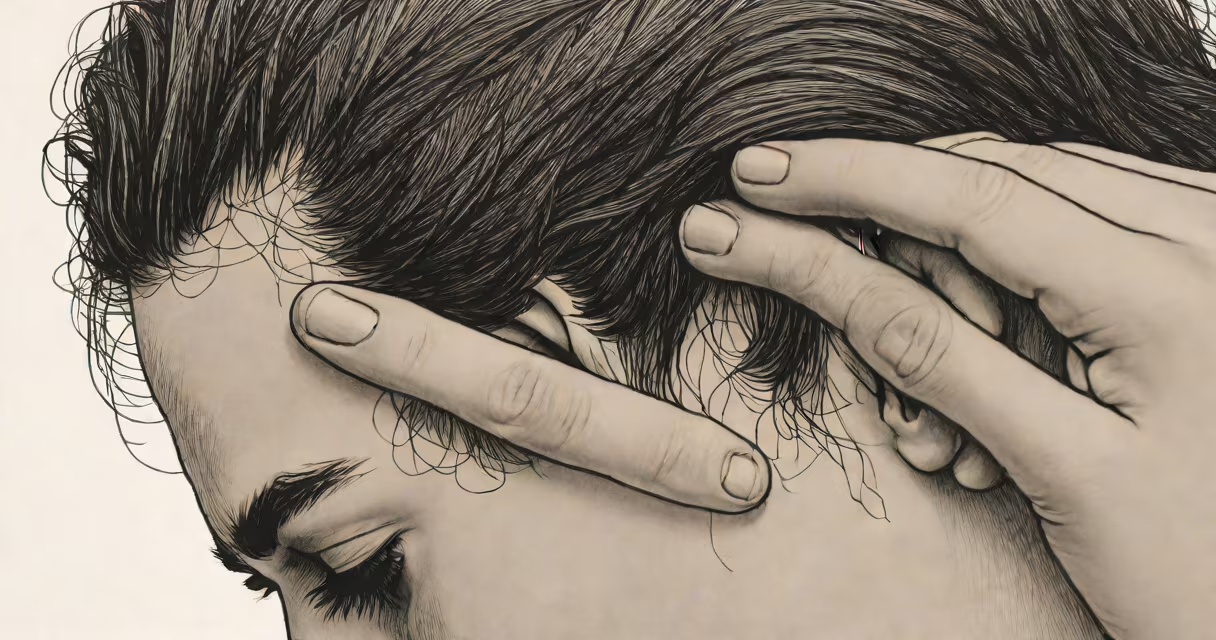
Scalp sensitivity occurs when the skin on the head becomes inflamed, reactive, or irritated due to underlying conditions, environmental factors, or product ingredients. It manifests as itching, burning, stinging, or tenderness upon touch or hair washing.
Unlike temporary dryness, scalp sensitivity often stems from biological or chemical triggers that disrupt the scalp's protective barrier. The condition affects people of all ages and hair types, though it's more common in those with a history of eczema, psoriasis, or frequent chemical exposure.
According to the American Academy of Dermatology, about 1 in 5 adults report experiencing scalp discomfort, with sensitivity being a leading cause. This includes reactions to shampoos, styling products, heat, or even humidity changes.
The scalp contains around 250,000 hair follicles and a dense network of nerves. When the outer layer of skin-called the stratum corneum-is compromised, irritants penetrate deeper, triggering immune responses. This leads to redness, flaking, and heightened pain perception.
Neurogenic inflammation plays a key role. Nerve endings in the scalp release chemicals like substance P when stimulated, increasing blood flow and swelling. This process amplifies sensations of itch and burn, even with mild stimuli such as brushing or wind.
A 2021 study published in the Journal of Investigative Dermatology found that individuals with sensitive scalps have higher levels of interleukin-8 (IL-8), a protein linked to inflammation. Elevated IL-8 correlates with increased nerve density in the dermis, making the scalp more reactive to external stimuli.
Scalp sensitivity isn't a single diagnosis-it's a symptom of multiple underlying issues. The most frequent causes fall into four categories: skin disorders, allergic reactions, chemical exposure, and lifestyle habits.
| Type | Key Triggers | Typical Symptoms |
|---|---|---|
| Dermatitis | Seborrheic dermatitis, contact dermatitis | Red patches, greasy flakes, persistent itch |
| Allergic Reactions | Sulfates, parabens, fragrances, formaldehyde-releasing preservatives | Burning, sudden rash, swelling after product use |
| Environmental Stressors | UV exposure, pollution, hard water, cold weather | Dryness, tightness, increased shedding |
| Lifestyle Factors | Over-washing, heat styling, tight hairstyles | Tenderness, micro-tears, reduced oil balance |
Seborrheic dermatitis, for example, affects 3-5% of the population and is marked by thick, yellowish scales on the scalp. It's linked to Malassezia yeast overgrowth, which feeds on sebum and irritates the skin. The National Institutes of Health notes that this condition often flares during stress or seasonal shifts.
Parabens and sulfates are among the most common culprits in commercial shampoos. A 2019 review in *Toxicology Reports* identified sodium lauryl sulfate (SLS) as a known irritant that strips natural oils and increases skin permeability. Even low concentrations-below 1%-can trigger sensitivity in predisposed individuals.
Scalp sensitivity is frequently mistaken for dandruff or dry scalp. While both involve flaking, dandruff is primarily caused by excess skin cell turnover, not nerve reactivity. Dry scalp lacks the burning or stinging associated with true sensitivity.
Another misconception is that sensitivity only results from harsh ingredients. In reality, even "natural" products can cause reactions. Essential oils like peppermint or tea tree contain terpenes that stimulate TRP channels-proteins involved in pain sensation. One patient reported intense burning after using a "100% natural" shampoo containing 3% tea tree oil.
Scalp sensitivity doesn't always correlate with visible symptoms. Some people feel stinging during a shower with no redness or flaking. This subclinical reactivity is often overlooked in clinical settings.
I once treated a 32-year-old woman who complained of daily scalp burning after washing her hair. She used a sulfate-free shampoo labeled "gentle" and avoided heat tools. Despite this, her scalp became increasingly painful over six months.
Upon examination, she had no visible lesions or flaking. Patch testing revealed a reaction to phenoxyethanol-a preservative used in many "clean" beauty products. Her symptoms resolved within two weeks of switching to a fragrance- and preservative-free formula.
This case highlights a key point: sensitivity isn't always about visible damage. Subtle ingredient interactions can trigger neuroinflammation without obvious signs.
If scalp sensitivity persists beyond two weeks despite avoiding potential triggers, consult a dermatologist. Persistent pain may indicate an undiagnosed condition like psoriasis, lupus, or autoimmune disorders.
For immediate relief, avoid hot showers, reduce shampoo frequency to every other day, and use lukewarm water. Opt for products labeled "fragrance-free," "non-comedogenic," and "for sensitive skin." Look for ingredients like panthenol, ceramides, and allantoin, which support barrier repair.
One non-obvious fact: scalp sensitivity can worsen with sleep deprivation. A 2022 study in *Sleep Medicine* showed that participants with poor sleep quality reported higher scalp pain scores during sensory tests. Chronic lack of rest elevates cortisol, which weakens the skin barrier and increases reactivity.
Understanding what causes scalp sensitivity begins with identifying personal triggers. Not all reactions stem from the same root. Addressing the specific cause-whether it's a product ingredient, a medical condition, or environmental factor-leads to lasting relief.