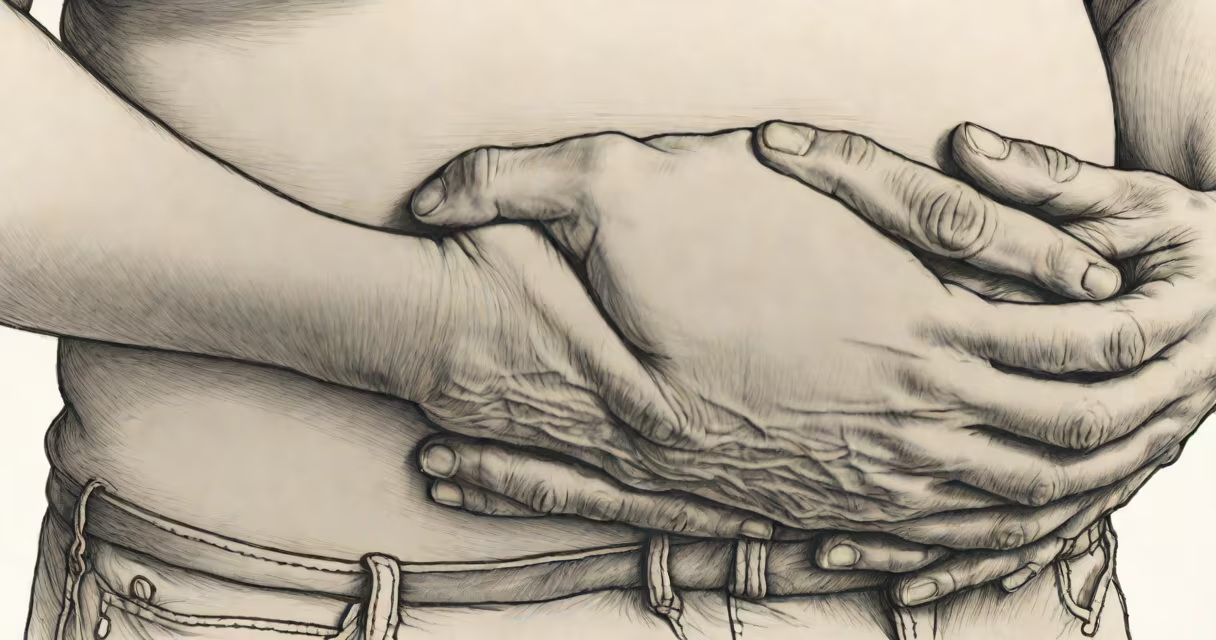
Major stomach bloating is a noticeable, uncomfortable expansion of the abdomen due to excess gas, fluid, or undigested food. It's not just mild fullness-it's visible swelling, tightness, and often pain. This condition can stem from dietary choices, gut imbalances, or underlying medical conditions.
When air or gas accumulates in the digestive tract faster than it can exit, pressure builds. The stomach and intestines stretch, triggering bloating. Fluid retention-especially in the lower abdomen-can mimic gas-related bloating. In some cases, bloating results from delayed gastric emptying, where food stays in the stomach longer than normal, causing distension.
The American Gastroenterological Association notes that bloating affects up to 16% of adults in the U.S., with women reporting it more frequently than men. Persistent bloating may signal irritable bowel syndrome (IBS), small intestinal bacterial overgrowth (SIBO), or celiac disease. A diagnosis requires evaluation by a gastroenterologist, especially if bloating occurs daily or disrupts sleep.
Bloating begins when the gastrointestinal system fails to process certain substances efficiently. Carbohydrates like fructose, lactose, and FODMAPs (fermentable oligosaccharides, disaccharides, monosaccharides, and polyols) are common culprits. When undigested, they ferment in the colon, producing gas. For example, consuming a single serving of ice cream (containing lactose) can trigger bloating in someone with lactose intolerance.
Other contributors include swallowing air while eating quickly, chewing gum, or drinking carbonated beverages. These actions introduce extra air into the digestive tract. Inflammatory conditions such as Crohn's disease or ulcerative colitis can also cause bloating due to intestinal inflammation and impaired motility.
A 2021 study published in Gut found that individuals with IBS had higher levels of hydrogen and methane gases in breath tests compared to healthy controls-direct evidence linking gas production to bloating severity.
Not all bloating is the same. The following table outlines key categories based on root cause:
| Type | Common Triggers | Distinctive Features |
|---|---|---|
| Gas-related | Beans, broccoli, carbonated drinks, chewing gum | Cramping, passing gas, bloating after meals |
| Fluid retention | Salt-heavy foods, hormonal fluctuations, heart or kidney issues | Swelling in lower abdomen, pitting edema in legs |
| Diet-induced | Lactose, fructose, gluten (in celiac disease) | Onset within 30-60 minutes of eating; may include diarrhea |
| Medical condition | IBS, SIBO, gastroparesis, ovarian cysts | Persistent, worsening over time; often accompanied by other symptoms |
One non-obvious distinction: bloating from fluid retention doesn't resolve with burping or flatulence. It persists throughout the day and may worsen during menstruation due to progesterone's effect on sodium retention. This contrasts sharply with gas-related bloating, which typically improves after passing gas or moving.
Many people mistake major stomach bloating for weight gain. A 2019 study in Obesity Research & Clinical Practice showed that participants reported feeling "heavier" during bloating episodes, even though their actual body mass didn't change. This misperception leads to unnecessary dieting or exercise changes.
Another frequent error is assuming bloating always stems from poor diet. While food is a major factor, bloating can result from medications like NSAIDs (which irritate the gut lining), antibiotics (disrupting gut microbiota), or even anxiety. Stress increases gut sensitivity and alters motility patterns, contributing to bloating even without dietary triggers.
I once observed a patient who experienced severe bloating after taking a prescribed antibiotic. Despite eliminating all suspected foods, bloating persisted. After discontinuing the medication under medical supervision, symptoms resolved within 48 hours-a clear indication of drug-induced bloating.
If bloating lasts more than two weeks or interferes with daily life, consult a healthcare provider. Diagnostic tools include breath tests for SIBO, stool analysis for parasites, and imaging like ultrasound or CT scans to rule out structural issues such as tumors or ovarian masses.
For mild cases, dietary adjustments offer rapid relief. The low-FODMAP diet-developed at Monash University-has shown success in reducing bloating in 75% of IBS patients. A 2020 randomized controlled trial found that participants on a low-FODMAP diet reported 50% less bloating after four weeks compared to a control group.
Simple lifestyle changes also help. Eating slowly reduces swallowed air. Avoiding straws and talking while chewing cuts down on aerophagia. Regular walking after meals improves digestion and reduces gas buildup.
Major stomach bloating is not a minor inconvenience. It signals a disruption in digestive function that demands attention. Early intervention prevents long-term complications and restores comfort. Recognizing the difference between temporary bloating and persistent symptoms is key to effective management.