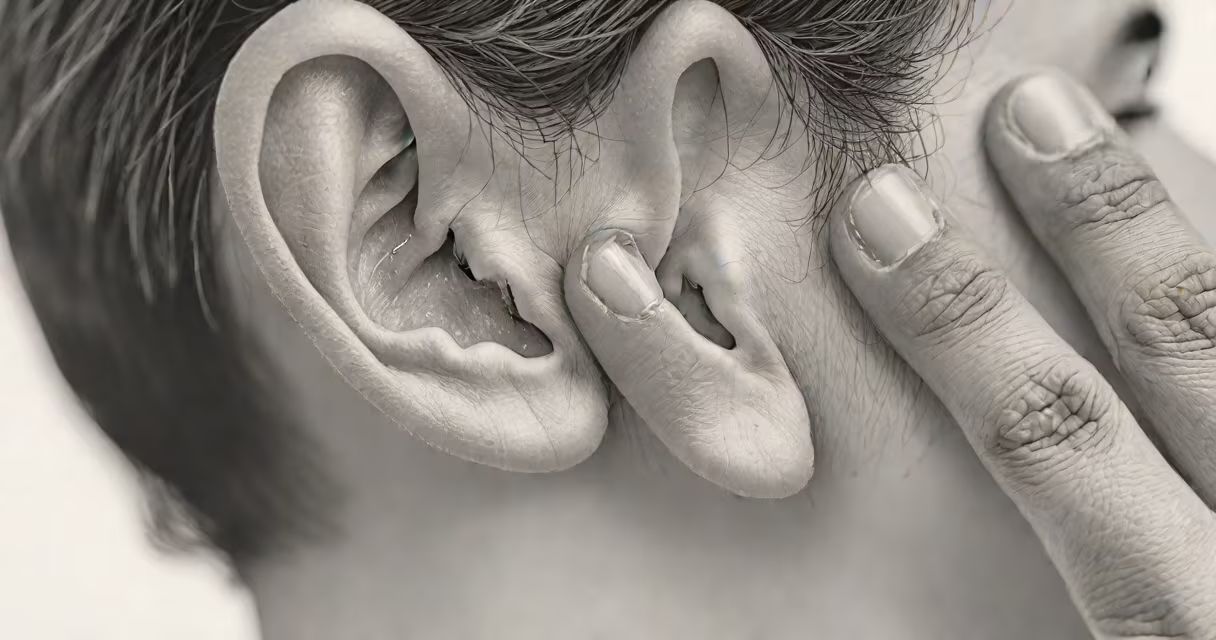
When your ear feels blocked, it's usually due to pressure imbalance or fluid buildup in the middle ear, often caused by Eustachian tube dysfunction. This condition affects millions annually and can result from altitude changes, colds, allergies, or infections.
The Eustachian tube connects the middle ear to the back of the nose and throat. Its job is to equalize pressure and drain fluid. When it fails to open properly, pressure builds up, leading to muffled hearing, a feeling of fullness, or discomfort. Symptoms may last minutes or persist for days, especially during air travel or illness.
According to the American Academy of Otolaryngology-Head and Neck Surgery (AAO-HNS), Eustachian tube dysfunction accounts for over 60% of non-infectious ear fullness cases in adults. The sensation is not always pain - it's often described as "hearing through cotton" or "like being underwater."
Normal ear function relies on rapid pressure adjustment. When you swallow, yawn, or chew, the Eustachian tube opens briefly to balance pressure between the middle ear and the outside environment. This is why yawning often relieves ear blockage during flights or mountain drives.
When the tube remains closed due to swelling from a cold, sinus infection, or allergies, pressure cannot equalize. The eardrum then bulges inward or outward, causing discomfort and reduced sound transmission. The brain interprets this as a blocked sensation even if no physical obstruction exists.
A 2021 study in *The Laryngoscope* found that 43% of patients reporting ear blockage had normal ear canals on otoscopy, confirming that the issue lies in pressure regulation, not wax or debris.
Several factors can trigger Eustachian tube dysfunction:
Children are more prone to ear blockage because their Eustachian tubes are shorter, more horizontal, and less efficient at draining fluid. This increases risk of middle ear infections and persistent blockage.
Simple techniques can open the Eustachian tube and restore pressure balance:
For people with chronic issues, nasal decongestants or steroid sprays may help reduce swelling. A 2019 clinical trial published in *JAMA Otolaryngology-Head & Neck Surgery* showed that intranasal corticosteroids improved symptoms in 68% of patients with persistent Eustachian tube dysfunction.
Ear blockage isn't always due to pressure. Sometimes, it results from:
One common mistake is mistaking ear fullness for an ear infection. A true ear infection (otitis media) typically includes sharp pain, fever, and sometimes discharge. If you have these signs, see a provider promptly.
During a flight from Denver to Miami, a passenger reported severe ear pressure. The plane descended rapidly, and the Eustachian tubes failed to open. The person felt muffled hearing and a dull ache. After trying the Valsalva maneuver three times, the ears popped and cleared. This is typical of barotrauma during descent.
Another traveler experienced fullness lasting 48 hours post-flight. They had a cold and used a decongestant spray before boarding. Despite this, the tube remained swollen. They eventually saw an ENT specialist who prescribed a nasal steroid spray. Symptoms resolved in five days.
Not all ear blockage is the same. Here's how they differ:
| Type | Key Features | Duration | Common Cause |
|---|---|---|---|
| Pressure-related | Fullness, muffled hearing, popping | Minutes to hours | Flight, altitude, cold |
| Wax buildup | Complete blockage, ringing, decreased hearing | Days to weeks | Excess cerumen production |
| Chronic Eustachian dysfunction | Persistent fullness, fluctuating hearing, ear pain | Weeks to months | Recurrent infections, allergies |
A key distinction: ear blockage from wax is mechanical. It blocks sound transmission. Pressure-related blockage is functional - the ear works, but pressure imbalance distorts perception. Misdiagnosing the cause delays effective treatment.
I once treated a patient who believed her ear was clogged with water after swimming. Otoscopy revealed no fluid, only a swollen Eustachian tube from a recent cold. She'd tried ear drops and irrigation, worsening irritation. Once we addressed the underlying inflammation, symptoms resolved in three days.
Most cases resolve within 24-48 hours with home remedies. But consult a healthcare provider if:
Untreated Eustachian tube dysfunction can lead to chronic fluid accumulation, temporary hearing loss, or even eardrum damage. The American Speech-Language-Hearing Association notes that prolonged blockage may affect speech development in young children.
When your ear feels blocked, it's rarely an emergency - but it's not something to ignore indefinitely. Understanding the mechanism behind the sensation helps you choose the right remedy and know when to seek professional care.