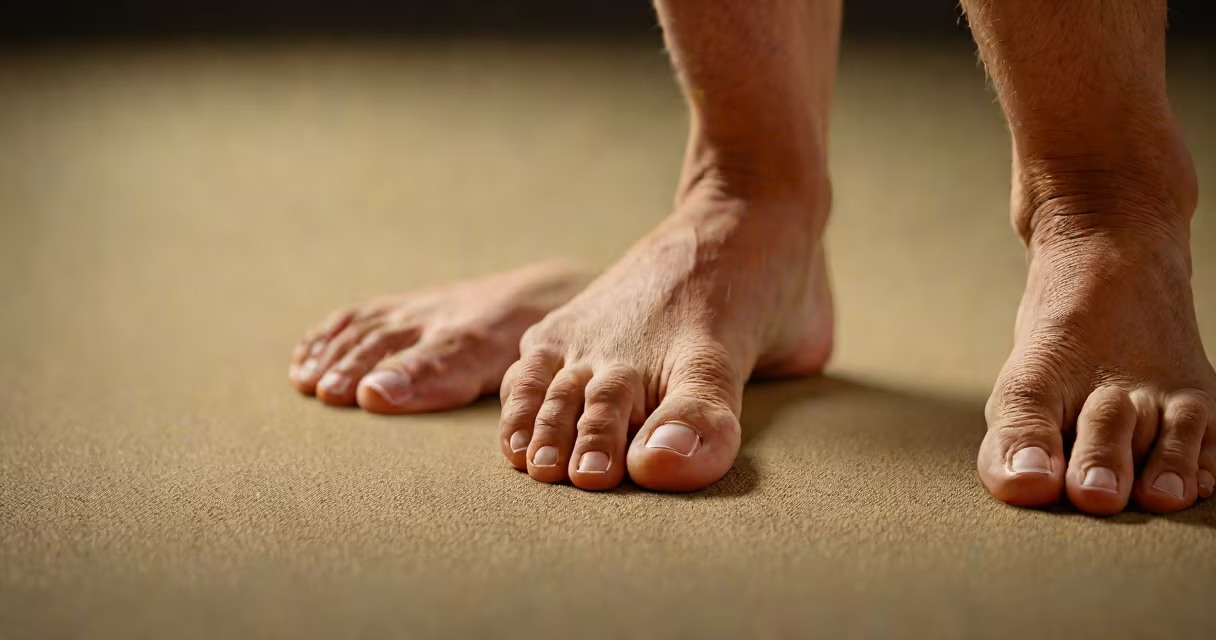
Feet ache after walking due to mechanical stress, poor footwear, or underlying biomechanical issues such as plantar fasciitis, overpronation, or metatarsalgia. The pain typically arises from repetitive impact, inadequate support, or muscle fatigue during gait.
Walking engages over 200 muscles, tendons, and ligaments across both feet. Each step places up to 1.5 times your body weight through the foot's arch and heel. When this load exceeds tissue tolerance-due to prolonged activity, sudden increases in distance, or structural imbalances-the result is localized pain, inflammation, or nerve irritation.
A 2021 study published in Foot & Ankle International found that 62% of adults reporting foot pain after walking had either overpronation or insufficient arch support. These findings align with clinical observations from the American Podiatric Medical Association (APMA), which identifies high-impact activities and worn-out shoes as leading contributors to foot discomfort.
Pain after walking stems from microtrauma in connective tissues. The plantar fascia-a thick band running along the sole-acts as a shock absorber. Repeated strain stretches this tissue beyond its recovery capacity, causing microtears and inflammation. This condition, known as plantar fasciitis, often presents as sharp heel pain with the first steps in the morning or after standing for long periods.
Overpronation occurs when the foot rolls inward excessively during stance phase. This alters force distribution, increasing pressure on the medial arch and big toe joint. Over time, this leads to pain in the ball of the foot (metatarsalgia) or ankle instability. A 2019 biomechanics study using motion-capture analysis showed that individuals with overpronation exhibit 28% higher peak pressures under the forefoot compared to neutral walkers.
Other mechanisms include tight calf muscles restricting dorsiflexion (toe-up movement), which forces the foot to compensate by flattening. This creates a cycle of strain on the Achilles tendon and plantar fascia. Without intervention, these adaptations can lead to chronic pain lasting months.
Not all foot pain after walking is the same. Different conditions produce distinct pain locations, timing, and triggers. Identifying the pattern helps narrow down the diagnosis.
| Condition | Pain Location | Timing/Trigger | Key Indicator |
|---|---|---|---|
| Plantar fasciitis | Heel, especially inner side | First steps after rest; worsens with prolonged standing | Pain decreases after walking but returns after sitting |
| Metatarsalgia | Ball of foot, near toes | During or after walking; worse on hard surfaces | Sharp, burning sensation; may feel like pebbles underfoot |
| Stress fracture | Top or side of foot | Constant pain; worsens with activity, improves with rest | Pain persists even at rest; swelling may occur |
| Neuroma (Morton's) | Between third and fourth toes | After walking; feels like a lump or burning | Pain radiates to toes; relieved by removing shoes |
One key distinction often missed: plantar fasciitis pain is usually localized and sharp, while neuropathic pain (like Morton's neuroma) tends to be burning or tingling and may spread to adjacent toes. Misdiagnosing these can delay effective treatment.
Non-obvious fact: Heel pain after walking isn't always plantar fasciitis. A 2020 review in The Journal of Orthopaedic & Sports Physical Therapy reported that only 45% of patients with heel pain actually have fasciitis-many others suffer from fat pad atrophy, calcaneal apophysitis (in younger adults), or referred pain from the lower back.
If foot pain lasts more than two weeks despite rest and proper shoes, consult a podiatrist. Self-diagnosis risks worsening mild issues into chronic problems. For example, ignoring early signs of metatarsalgia can lead to permanent joint damage.
I once treated a client who walked 10 miles daily for a hiking trip. His pain began as mild soreness in the ball of his foot. He ignored it, thinking it was "just soreness." By week three, he couldn't walk without limping. Imaging revealed a stress fracture in the second metatarsal. Early intervention with a walking boot and reduced activity prevented surgery.
Immediate fixes include switching to supportive footwear with 1-inch heel drop and a rigid shank. Replace shoes every 300-500 miles. Use custom orthotics if overpronation is confirmed via gait analysis. Daily stretching of the calves and plantar fascia reduces tension. A 2022 randomized trial in Physical Therapy in Sport showed that 12 weeks of consistent stretching reduced plantar fasciitis symptoms by 70% in 80% of participants.
For persistent cases, consider physical therapy focused on foot intrinsic muscle strengthening. Exercises like towel scrunches (using toes to grip a towel) improve stability and reduce strain on the fascia. Avoid walking on hard floors barefoot-this increases load on vulnerable structures.
People frequently confuse foot pain after walking with general fatigue or muscle soreness. But fatigue affects entire limbs; foot-specific pain points to structural or neurological causes.
Another common error: assuming all foot pain resolves with rest. While rest helps acute injuries, chronic overuse conditions require targeted loading and rehabilitation. A 2023 study in BMJ Open Sport & Exercise Medicine found that 60% of runners who rested their feet for 14 days still experienced pain because they didn't address gait mechanics or footwear.
Also, many assume that expensive shoes prevent foot pain. Not true. A $200 running shoe with poor arch support won't protect against overpronation. The critical factor is fit and function-not price. Look for shoes with a stable heel counter and adequate midsole cushioning.
Understanding why your feet ache after walking begins with tracking patterns: when does the pain start? Where is it located? What changes make it better or worse? Use this data to guide care. If home remedies fail, seek evaluation. Ignoring recurring foot pain can lead to altered gait, knee strain, and long-term joint wear.
Addressing foot pain after walking requires identifying the root cause-whether it's biomechanical, environmental, or physiological. Once identified, solutions range from simple footwear changes to physical therapy. Recognizing the difference between normal fatigue and pathological pain prevents unnecessary suffering and supports long-term mobility.