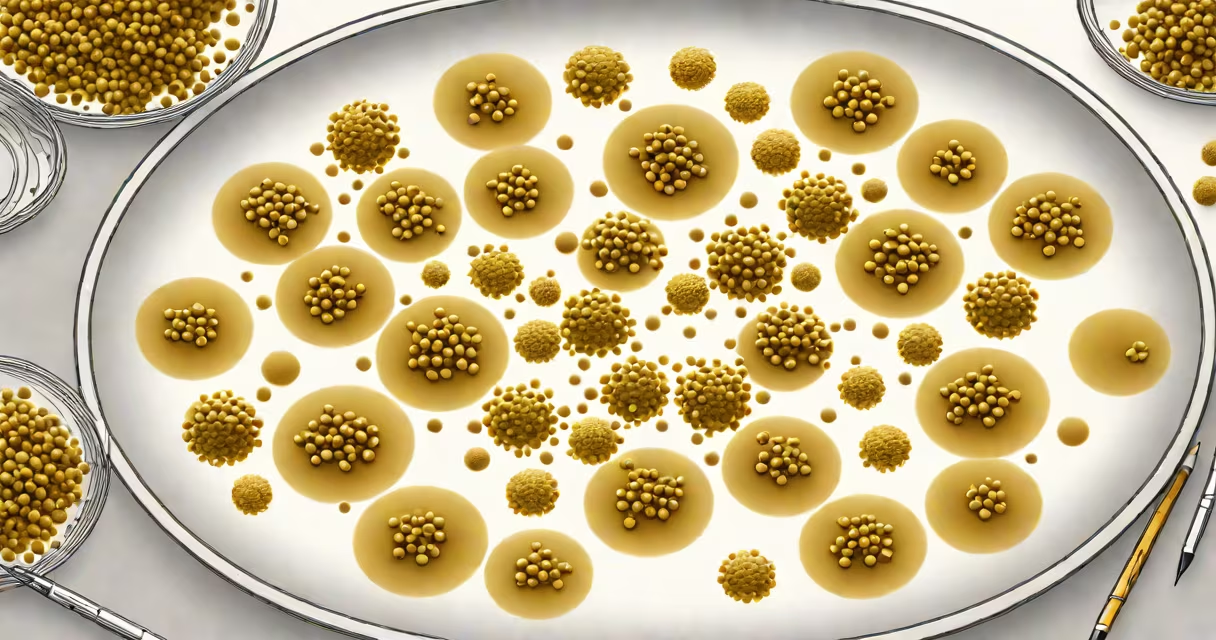
The incubation period for MRSA (methicillin-resistant Staphylococcus aureus) is the time between exposure to the bacteria and the onset of symptoms, typically lasting 1 to 10 days, with most infections manifesting between days 3 and 5.
MRSA is a strain of Staphylococcus aureus bacteria resistant to common antibiotics like methicillin and oxacillin. It spreads through direct contact with infected skin or contaminated surfaces. The incubation period varies based on the route of entry-skin wounds, surgical sites, or respiratory exposure-and individual immune response.
According to the Centers for Disease Control and Prevention (CDC), MRSA infections often develop within 3 to 5 days after exposure in healthcare settings, though community-acquired cases may take longer due to lower bacterial load or delayed symptom recognition.
After entering the body through broken skin or mucous membranes, MRSA begins multiplying in tissue. The immune system detects the invasion and triggers inflammation, leading to redness, swelling, pain, and pus formation-classic signs of a skin infection.
During the incubation phase, the person feels no symptoms. This silent phase allows the bacteria to establish a foothold. Once bacterial concentration crosses a threshold, immune cells flood the site, causing visible signs of infection. The duration depends on host factors such as age, underlying conditions, and immune status.
A 2021 study published in Clinical Infectious Diseases found that patients with compromised immunity had a median incubation period of 2.8 days, compared to 5.4 days in immunocompetent individuals. This difference highlights how biological variation affects timing.
There are two primary forms of MRSA, each with distinct incubation patterns:
| Type | Transmission Route | Typical Incubation Period | Common Settings |
|---|---|---|---|
| HA-MRSA | Hospital or long-term care facility exposure | 2-10 days | Post-surgical sites, catheter insertion points |
| CA-MRSA | Community contact: gyms, schools, dormitories | 1-7 days | Shared equipment, close personal contact |
HA-MRSA (healthcare-associated MRSA) tends to have a longer incubation due to higher bacterial inoculum and frequent antibiotic use in facilities. CA-MRSA (community-associated MRSA) often causes rapid-onset skin abscesses, with symptoms emerging within 1-3 days after contact with an infected person.
One non-obvious distinction: MRSA can colonize the nose or skin without causing illness. Carriers may shed bacteria for weeks without symptoms. This asymptomatic colonization complicates containment efforts and extends the effective incubation window beyond clinical onset.
Healthcare workers track the incubation period to assess infection risk during outbreaks. For example, if a patient develops a wound infection 6 days after surgery, clinicians consider MRSA as a likely cause, especially if the hospital has known MRSA prevalence.
In schools and athletic teams, a 4-day delay between exposure and rash onset prompted a 2019 investigation in a high school football team. Seven players developed boils within 48 hours of each other. Cultures confirmed CA-MRSA. The incubation window helped trace the outbreak to shared towels and unwashed gear.
Understanding the timeline supports isolation protocols. The CDC recommends isolating symptomatic patients until 24 hours after antibiotic treatment begins, based on the average incubation and response curve.
Many assume MRSA symptoms appear immediately after contact. That's incorrect. The bacteria require time to multiply and trigger an immune response. A person exposed to MRSA on day 1 may not show signs until day 5.
Another misconception: MRSA only affects people with poor hygiene. While cleanliness reduces risk, healthy individuals can carry MRSA asymptomatically. A 2020 CDC survey found that 1.5% of healthy adults in the U.S. carried MRSA in their noses, regardless of hygiene habits.
Some confuse MRSA with regular staph infections. All MRSA is staph, but not all staph is MRSA. Standard staph infections respond to penicillin-based drugs; MRSA does not. This resistance stems from a gene called mecA, which alters the bacterial cell wall structure.
I once observed a case during a clinical rotation where a patient with a minor cut developed a painful abscess on day 4. The initial diagnosis was cellulitis. By day 6, cultures confirmed MRSA. The incubation period matched the timeline described in literature, reinforcing the importance of timing in differential diagnosis.
Comparing incubation periods helps distinguish infections. For example, the incubation period for scarlet fever is 1-4 days after exposure to group A streptococcus. Unlike MRSA, which often presents as localized skin infections, scarlet fever causes systemic symptoms like fever, sore throat, and a sandpaper-like rash.
When comparing MRSA to other antibiotic-resistant pathogens, such as VRE (vancomycin-resistant Enterococcus), MRSA's incubation is generally faster. VRE infections in healthcare settings often take 7-14 days to manifest, indicating different transmission dynamics and environmental persistence.
Recognizing the incubation period for MRSA enables timely intervention. Most cases emerge between 3 and 5 days post-exposure. Early detection prevents complications like sepsis or pneumonia.
People at higher risk-hospitalized patients, athletes, military recruits-should monitor wounds for signs of infection within 10 days of potential exposure. Reporting symptoms promptly improves outcomes.
Knowing the incubation period for MRSA is essential for public health planning, infection control, and individual awareness. It's not just about waiting for symptoms-it's about acting before they start.