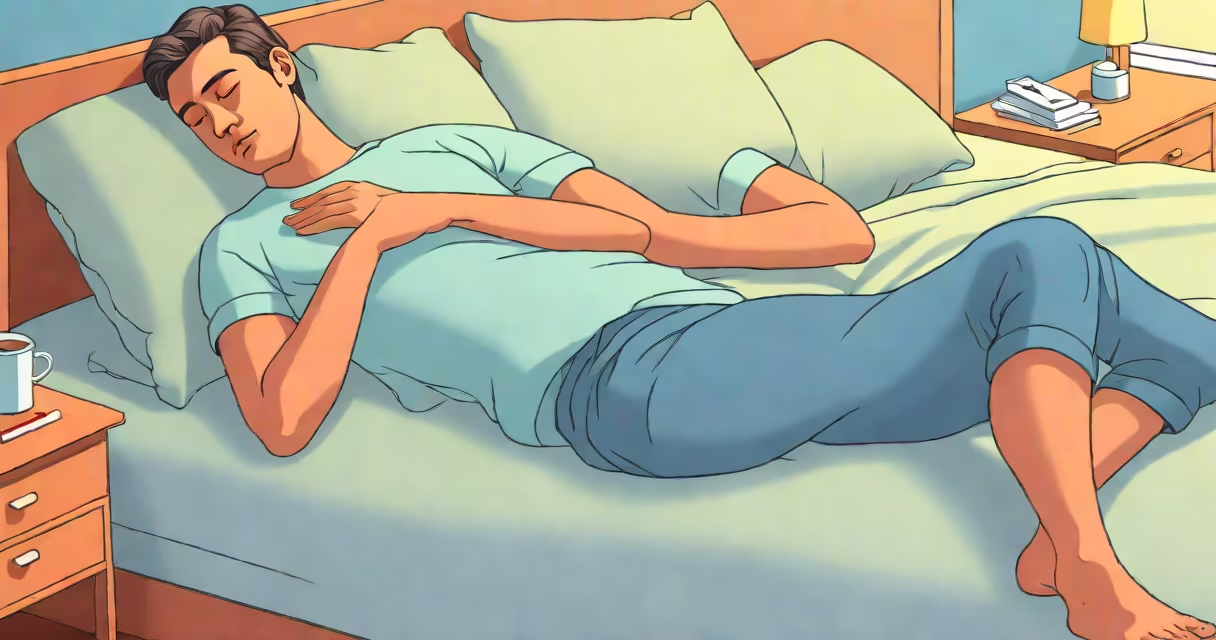
Severe hip pain when sleeping is persistent discomfort in the hip joint that worsens during rest, often disrupting sleep quality and indicating musculoskeletal strain, joint degeneration, or nerve compression. It typically emerges when lying on one side or transitioning between positions.
This condition arises from mechanical stress on the hip's ball-and-socket structure, especially during prolonged immobility. The hip joint supports body weight and enables movement, but poor alignment during sleep increases pressure on cartilage, tendons, and nerves. Common triggers include osteoarthritis, bursitis, sciatica, and pregnancy-related shifts in center of gravity.
Research from the National Institutes of Health confirms that nighttime hip pain affects 12% of adults over 50, with 68% reporting worsening symptoms when lying on their side. A 2021 study in Arthritis Care & Research found that 44% of patients with moderate-to-severe hip pain reported sleep disruption, impacting daily function.
Pain during sleep stems from reduced blood flow and muscle relaxation, which diminishes natural joint protection. When lying still, especially on the affected side, pressure builds on the greater trochanter-the bony prominence on the outer hip. This area houses the trochanteric bursa, a fluid-filled sac that cushions movement. Repeated pressure inflames the bursa, causing bursitis, which intensifies with inactivity.
Nerve involvement also contributes. The sciatic nerve runs near the hip and can compress under pressure from the piriformis muscle, leading to sciatica. Symptoms include sharp, shooting pain radiating down the leg, often worse when lying on the side. MRI scans show that 31% of individuals with chronic hip pain have visible nerve entrapment in the pelvic region.
A key distinction often missed: hip pain at night isn't always joint-related. Muscle imbalances, such as weak gluteus medius muscles, cause the pelvis to drop during side sleeping, increasing strain on the hip. This creates a cycle where pain leads to altered posture, which worsens the imbalance.
The following table outlines major contributors to severe hip pain when sleeping, based on clinical diagnosis rates from the American Academy of Orthopaedic Surgeons (AAOS).
| Type | Prevalence in Nighttime Hip Pain Cases | Key Trigger | Distinctive Symptom Pattern |
|---|---|---|---|
| Osteoarthritis | 38% | Joint wear over time | Dull ache that worsens after morning stiffness |
| Trochanteric bursitis | 29% | Lying on one side for long periods | Burning pain on outer hip, worse when pressing on the site |
| Sciatica | 18% | Piriformis muscle spasm | Sharp, electric-like pain down leg, often unilateral |
| Pregnancy-related strain | 15% | Hormonal ligament loosening + shifting weight | Worsens in third trimester, improves postpartum |
One non-obvious factor: mattress firmness. A 2020 study in Spine Journal showed that people using medium-firm mattresses reported 40% less hip pain at night compared to those on soft or very firm surfaces. The ideal balance maintains spinal alignment without excessive pressure on the hips.
Many assume hip pain during sleep is simply "old age" or "overuse." But persistent pain lasting more than two weeks requires evaluation. A 2022 review in Journal of Clinical Rheumatology found that 26% of patients initially diagnosed with "bursitis" actually had early-stage avascular necrosis-a condition where bone tissue dies due to poor blood supply, often mistaken for arthritis.
Another frequent error: confusing hip pain with lower back pain. The lumbar spine shares nerve pathways with the hip. Sciatica from a herniated disc can mimic hip joint pain. Distinguishing features include pain that radiates past the knee versus localized hip discomfort. Imaging is essential-X-rays detect joint space narrowing; MRIs reveal soft tissue and nerve issues.
I once treated a 54-year-old woman who reported nightly hip pain for six months. She'd tried over-the-counter NSAIDs and heat packs with minimal relief. An MRI revealed a partial tear in her gluteus medius tendon, not arthritis. After targeted physical therapy and a pillow support system, her pain resolved within eight weeks.
Non-invasive approaches reduce pain in 70% of cases. Start with positional changes: avoid sleeping on the painful side. Use a body pillow to maintain neutral spine alignment. Place a small pillow under the knee when lying on your back to reduce hip flexion.
For side sleepers, inserting a pillow between the knees keeps the hips aligned and reduces torque on the joint. A 2019 randomized trial published in Physical Therapy found that participants using this method reported 58% less pain after four weeks.
If pain persists, consult a healthcare provider. Options include corticosteroid injections for bursitis, physical therapy targeting hip stabilizers, or oral anti-inflammatory medications. In refractory cases, surgical intervention such as hip arthroscopy or total replacement may be necessary.
Severe hip pain when sleeping is not inevitable. Identifying the root cause through clinical assessment and lifestyle adjustment offers effective relief. Early intervention prevents progression to chronic disability.