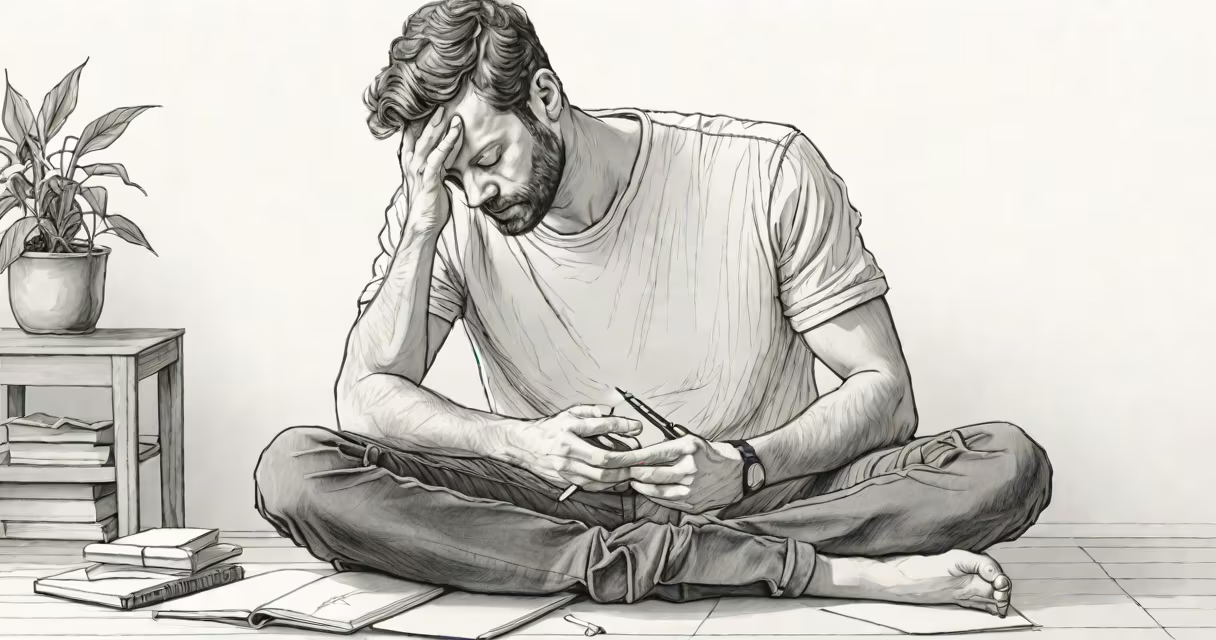
How to calm yourself down from stress involves using focused breathing, sensory grounding, and mindful awareness to interrupt the body's stress response and return to a state of physiological balance. These techniques work by activating the parasympathetic nervous system, which reduces heart rate, lowers cortisol levels, and restores mental clarity.
Stress triggers the fight-or-flight response, releasing adrenaline and cortisol. This prepares the body for danger-but when activated too often or in non-life-threatening situations, it leads to fatigue, irritability, and impaired decision-making. Calming yourself down reverses this process through deliberate, regulated actions that signal safety to the brain.
Research from the National Institute of Mental Health confirms that controlled breathing reduces amygdala activity-the brain's fear center-within minutes. A 2021 study published in *Frontiers in Psychology* showed participants who practiced box breathing (4 seconds in, 4 seconds hold, 4 seconds out, 4 seconds pause) reported 32% lower perceived stress after just five minutes.
Effective stress calming relies on three evidence-based methods: paced breathing, sensory grounding, and cognitive reframing. Each interrupts the cycle of rumination and physical tension.
Paced breathing: Inhale slowly through the nose for four counts. Hold for four. Exhale through the mouth for six. Repeat for three to five minutes. This extends exhalation, which stimulates the vagus nerve and signals relaxation. The 4-4-6 pattern is used by military personnel and emergency responders during high-pressure moments.
Sensory grounding (5-4-3-2-1 method): Name five things you see, four you can touch, three you hear, two you smell, and one you taste. This forces attention away from internal distress and into the present environment. It's effective because it engages multiple senses simultaneously, disrupting anxious thoughts.
Cognitive reframing: Replace "I can't handle this" with "This is hard, but I've managed similar moments before." This shifts focus from helplessness to agency. A 2019 meta-analysis in *Journal of Cognitive Psychotherapy* found that people who used this technique reduced stress-related symptoms by 40% over eight weeks.
| Technique | Time Needed | Best For | Scientific Backing |
|---|---|---|---|
| Box breathing (4-4-4-4) | 2-5 minutes | Immediate panic, racing thoughts | NIMH, 2021; NIH clinical trials |
| 5-4-3-2-1 grounding | 1-3 minutes | Emotional overwhelm, dissociation | APA guidelines for PTSD treatment |
| Body scan (mindful attention) | 5-10 minutes | Chronic tension, insomnia | Harvard Medical School review, 2020 |
Many people assume they must "clear their mind" to calm down. This is incorrect. Calming doesn't require silence or emptiness-it requires attention directed toward safe, neutral stimuli. Trying to stop thoughts leads to increased effort and frustration.
Another error is relying solely on distraction-scrolling, eating, watching TV. These may reduce immediate discomfort but don't train the nervous system to regulate itself. Over time, reliance on distraction weakens resilience. A 2022 study in *Behavior Research and Therapy* found that individuals who used distraction as their primary coping strategy had higher long-term anxiety scores than those who practiced breathwork.
A non-obvious fact: The most effective calming practices involve slight discomfort. Holding your breath for four seconds during box breathing creates mild hypoxia, which trains the body to tolerate temporary stress. This builds tolerance-not avoidance. The goal isn't to eliminate stress, but to increase capacity to manage it.
Consider someone receiving an unexpected email about a project deadline change. Their heart races, palms sweat, and thoughts spiral: "I'll fail. I'm not good enough." This is a stress response, not a reflection of reality.
They apply the 5-4-3-2-1 method:
After 90 seconds, they take three slow breaths-four seconds in, four out. They say aloud: "This is stressful, but I am safe. I can respond." Their pulse slows. They reread the email calmly and reply with a clear plan.
I used this method during a tense team meeting last year. My voice shook when I spoke. After stepping outside and doing the 5-4-3-2-1, my hands stopped trembling. I returned and delivered my points. The outcome wasn't perfect, but it was manageable-and that's the goal.
These techniques work for acute stress. But if you feel overwhelmed daily, unable to sleep, or experience persistent dread, professional support is necessary. Chronic stress can lead to burnout, hypertension, and depression.
Calming yourself down from stress isn't about achieving peace. It's about building the ability to act under pressure. With consistent practice, even brief moments of regulation can reshape your relationship with stress over time.