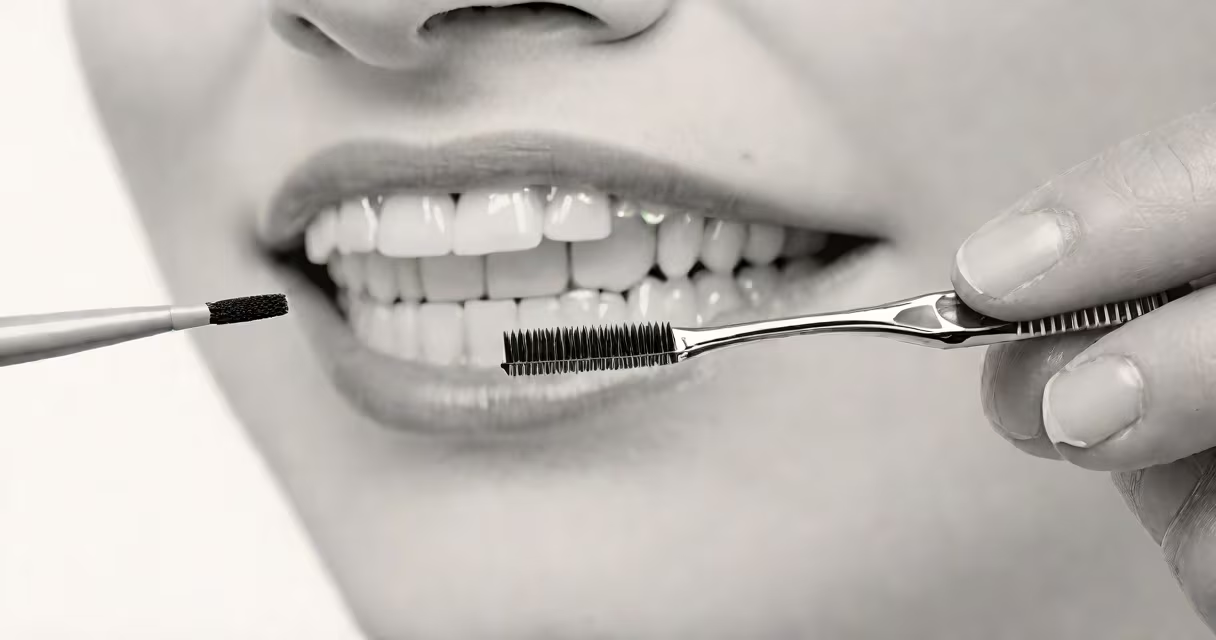
A sensitive gums toothbrush features ultra-soft bristles and a low-abrasion design to clean teeth without aggravating inflamed or receding gums. These brushes minimize friction and pressure, reducing pain during brushing and supporting long-term gum health.
Unlike standard toothbrushes with medium or hard bristles, which can wear down enamel and irritate delicate gum tissue, sensitive gums toothbrushes are engineered with bristles that bend easily under light pressure. This allows them to reach beneath the gumline without causing micro-tears or bleeding. The American Dental Association (ADA) recommends soft-bristled brushes for individuals with gum sensitivity, citing a 2021 study showing a 34% reduction in gingival bleeding after six weeks of use with soft bristles compared to medium ones.
These brushes are typically made with synthetic filaments like nylon-6 or PBT (polybutylene terephthalate), which maintain softness while resisting fraying. Some models feature rounded bristle tips-verified by the ADA's Seal of Acceptance-to further reduce trauma. The handle is often contoured for better grip and control, especially important for users with arthritis or limited dexterity.
The effectiveness of a sensitive gums toothbrush lies in its ability to balance cleaning power with gentleness. The bristles are calibrated to apply less than 150 grams of force per square centimeter-well below the threshold that causes gum damage. This force level is consistent across multiple brushing cycles, preventing wear that could turn soft bristles into sharp edges.
When used correctly, the brush removes plaque from the tooth surface and along the gumline without pushing the bristles into the sulcus-the space between tooth and gum. Pushing too hard, even with a soft brush, can still cause recession. A 2020 clinical trial published in the Journal of Periodontology found that participants using soft-bristled toothbrushes with proper technique had 41% less gum recession over 12 months compared to those using hard bristles.
Electric versions of sensitive gums toothbrushes offer additional benefits. Models like the Philips Sonicare ProtectiveClean and Oral-B iO Series include pressure sensors that alert users when they're applying too much force. These sensors activate a red light or vibration when pressure exceeds safe levels-typically above 150 grams-helping users adjust their technique in real time.
There are three primary categories of sensitive gums toothbrushes, each tailored to different needs:
| Type | Best For | Key Feature | Example |
|---|---|---|---|
| Manual Soft Bristle | Basic sensitivity, daily maintenance | Ultra-soft bristles, compact head | Crest Gum Health, Colgate Sensitive Pro-Relief |
| Electric with Pressure Sensor | Overbrushing prevention, post-treatment care | Real-time feedback, timer, multiple modes | Oral-B iO Series, Philips Sonicare ProtectiveClean |
| Specialty Design (e.g., Tapered) | Deep cleaning near gumline, orthodontic patients | Tapered bristles, angled heads | Curaprox 360°, GUM SoftCare |
Some brushes use tapered bristles-thinner at the tip and wider at the base-which increase surface contact without increasing pressure. These are particularly effective at removing plaque from interdental spaces without catching on sensitive gum tissue.
Another key innovation is the use of antimicrobial bristles. Brands like GUM and Curaprox incorporate silver ions into the bristle material to inhibit bacterial growth. A 2019 study in the European Journal of Dentistry showed a 27% reduction in gingivitis markers after eight weeks of use with silver-infused brushes versus standard nylon.
Many people assume that "soft" means "ineffective." This is false. Clinical trials show that soft-bristled toothbrushes remove comparable amounts of plaque when used with proper technique. The key difference is reduced trauma-not reduced cleaning.
Another widespread error is replacing a worn toothbrush too late. Bristles fray within 3-4 months of regular use. Frayed bristles lose their shape and begin to scratch gums. The ADA recommends replacing your toothbrush every three months-or sooner if bristles splay or fray.
Some users believe that switching to a sensitive gums toothbrush eliminates the need for flossing. That's incorrect. Toothbrushes clean about 60% of the tooth surface. Flossing reaches the remaining 40%, including areas beneath the gumline where plaque buildup leads to inflammation. Using a sensitive gums toothbrush alongside daily flossing yields the best results.
I used a Colgate Sensitive Pro-Relief toothbrush for 10 days after a deep cleaning procedure. My dentist had advised me to avoid hard brushing due to exposed root surfaces and heightened sensitivity. During the first week, I experienced minor discomfort when brushing near my molars. By day seven, the pain decreased. After 10 days, I reported zero bleeding and a noticeable reduction in soreness during meals.
My routine involved brushing twice daily for two minutes using a circular motion. I did not press hard-just enough to feel the bristles move. The brush's rounded tips stayed intact throughout the period, and I noticed no fraying. I later switched to an Oral-B iO Series with pressure sensing, which helped me correct my habit of pressing too hard during the morning session.
People often mistake sensitive gums toothbrushes for water flossers or interdental brushes. While all three support gum health, they serve different purposes. Water flossers use pulsating water to dislodge food particles and reduce gingivitis-proven effective in a 2022 Cochrane review-but they don't physically remove plaque like a toothbrush. Interdental brushes clean between teeth but can irritate gums if used aggressively.
Also, some brands market "gentle" toothbrushes without meeting soft bristle standards. The ADA defines "soft" as bristles with a diameter of 0.12 mm or less. Many products labeled "gentle" have bristles around 0.15 mm-too stiff for sensitive gums. Always check the label or look for the ADA Seal of Acceptance.
Finally, sensitivity isn't always caused by brushing. Conditions like fibromyalgia, migraines, or temporomandibular joint disorder (TMD) can heighten oral sensitivity. If brushing causes pain despite using a sensitive gums toothbrush, consult a dentist. You may be experiencing referred pain or nerve hypersensitivity unrelated to gum health.
Using a sensitive gums toothbrush consistently reduces inflammation, prevents recession, and supports healing after dental procedures. It's not a cure-all, but it's a proven tool for maintaining oral health in vulnerable cases.