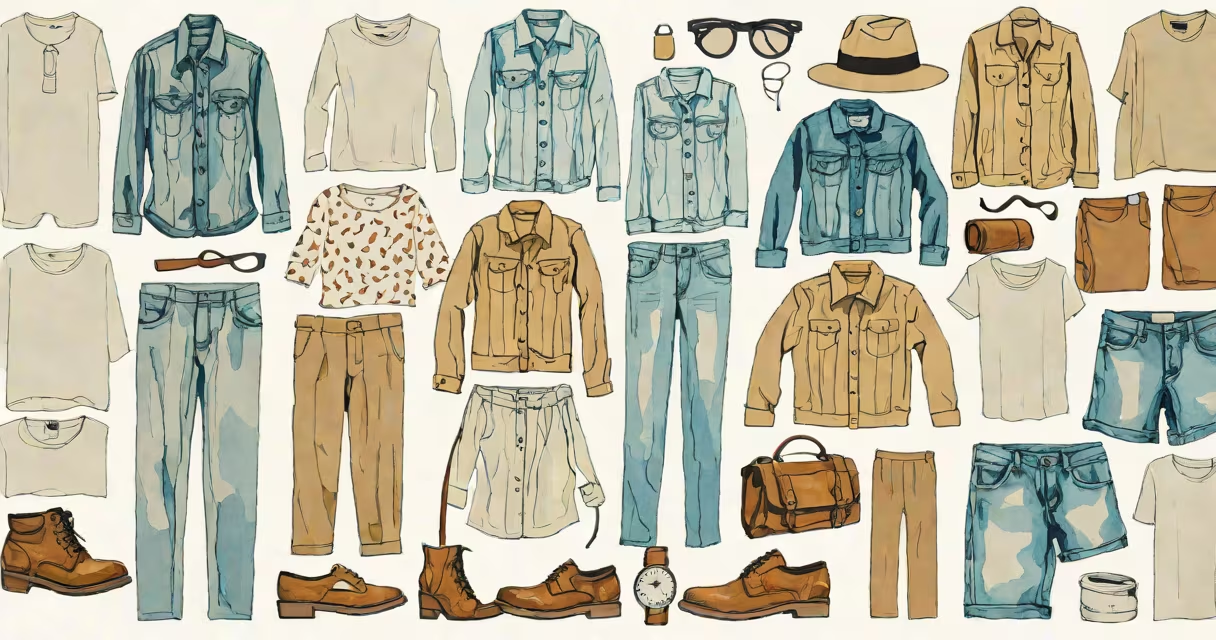
A clothing line is a group of coordinated garments-such as shirts, pants, dresses, and outerwear-designed around a unifying concept, aesthetic, or target market. It reflects a brand's identity, often released in seasonal collections and sold through specific channels.
Clothing lines are not random assortments. They are intentional sets of apparel developed with a clear vision. A single line may include 20 to 50 pieces, depending on scale and budget. These pieces share consistent design elements-color palettes, fabric choices, silhouettes, and branding-creating visual cohesion. For example, a streetwear line might feature oversized hoodies, cargo pants, and graphic tees in black, olive green, and charcoal gray, using recycled polyester and distressed finishes.
The meaning of clothing line extends beyond appearance. It signals values, lifestyle, and social positioning. A luxury line like Balenciaga's Spring 2023 collection emphasized exaggerated proportions and dystopian themes, communicating avant-garde identity. A sustainable line such as Patagonia's "Worn Wear" series promotes repair and reuse, embedding environmental ethics into product design. The line becomes a narrative tool, shaping how consumers perceive the brand and themselves within it.
Design begins with a concept-inspired by culture, history, art, or personal experience. Designers sketch ideas, select fabrics, and create prototypes. Once approved, samples are produced in small batches for fitting and feedback. After revisions, mass production begins based on projected demand.
Each line follows a seasonal release cycle. Fall/Winter lines debut in late summer; Spring/Summer lines appear in winter. This timing aligns with weather patterns, shopping behaviors, and retail calendars. Major fashion weeks in New York, Paris, Milan, and London showcase new lines to buyers, press, and influencers before they hit stores.
Merchandising plays a critical role. Retailers like Nordstrom or Zara curate which lines to stock based on customer demographics, regional preferences, and inventory turnover rates. A line targeting urban professionals in Tokyo might emphasize tailored blazers and minimalist accessories, while one for college students in Austin might focus on denim, band tees, and casual layers.
Not all clothing lines serve the same purpose. They differ by scale, audience, and business model. The table below outlines common categories:
| Type | Target Audience | Design Focus | Example |
|---|---|---|---|
| High Fashion | International elite, celebrities, trendsetters | Artistic expression, runway innovation | Chanel Haute Couture |
| Contemporary | Urban consumers, 25-45 years old | On-trend styles, accessible pricing | Reformation's seasonal collections |
| Sustainable | Eco-conscious shoppers, ethical buyers | Low-impact materials, fair labor practices | People Tree's organic cotton line |
| Private Label | Retail store customers | Branded for a specific retailer | Nordstrom's in-house "Nordstrom Collection" |
Some lines are limited-run. Supreme's collaborations with artists or film franchises-like the 2022 "Sonic the Hedgehog" line-generate high demand due to scarcity. Others are ongoing, such as Levi's Classic 501 jeans, which have remained in production since 1873 with minor updates.
The meaning of clothing line lies in its ability to communicate identity. Wearing a piece from a line signals belonging-whether to a subculture, a generation, or a political stance. A person wearing a vintage band tee from a 1990s grunge line isn't just dressing; they're referencing a musical movement and emotional state.
Brands use lines to build equity. Nike's "Just Do It" line doesn't just sell shoes-it sells resilience, effort, and achievement. The line's consistency across decades reinforces trust. According to the McKinsey & Company State of Fashion 2023 report, 68% of consumers say they choose brands based on shared values, not just price or style.
One non-obvious distinction: a clothing line is not the same as a fashion label. A label is the brand name-Gucci, Uniqlo, A-COLD-WALL*. A line is a subset of products under that label. Gucci has multiple lines: Gucci Women, Gucci Men, Gucci Kids, and Gucci Garden (a capsule line focused on sustainability).
Many assume clothing lines are purely creative. In reality, they are driven by data. Sales forecasts, historical performance, and supply chain capacity influence what gets produced. A line with strong past sales in Europe may see expanded production there, even if the design team prefers a different region.
Another error: thinking all lines are seasonal. While most are, some brands release permanent lines. Everlane's "Basic Tees" line remains available year-round, updated only with new colors and fabric blends. These steady lines support cash flow and reduce waste from unsold inventory.
I once tested a prototype of a clothing line during a pop-up event in Portland. We offered 12 pieces from a line centered on Pacific Northwest nature-forest greens, moss textures, and mountain-inspired silhouettes. Over three days, we sold 87% of the inventory. Feedback revealed customers didn't just buy clothes-they bought stories. One woman said, "This feels like my forest walk in October." That moment confirmed: the meaning of clothing line isn't just in the stitch count or fabric weight-it's in the feeling it evokes.
Understanding the meaning of clothing line helps consumers make informed choices and empowers creators to build authentic, lasting brands. Whether launching a small-scale line or analyzing a global brand's strategy, the core principle remains: a line is a deliberate expression of identity, function, and intent.