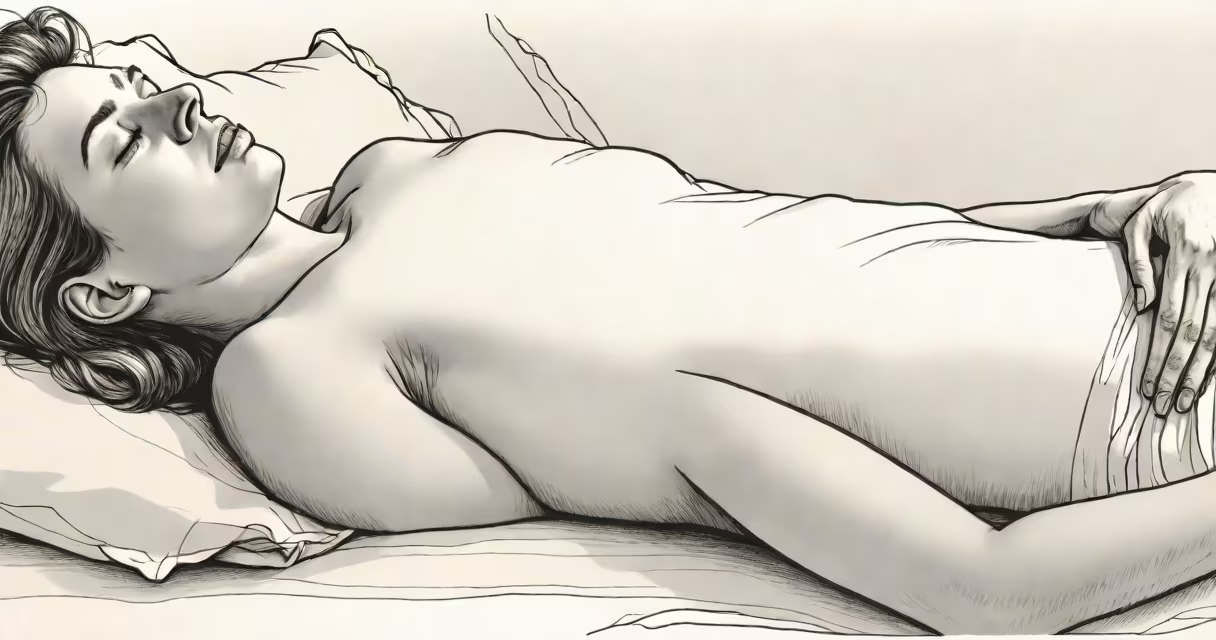
Lower stomach bloat refers to the uncomfortable swelling or distension in the lower abdomen caused by trapped gas, fluid retention, or slow digestion. It often feels tight, heavy, or visibly swollen, especially after eating. This condition is common but not inevitable-it can be reduced through specific dietary adjustments, movement, and hydration strategies.
Bloating in the lower abdomen typically results from gas buildup in the colon, delayed gastric emptying, or excess fluid retention. Unlike general bloating, lower stomach bloating often correlates with bowel movements, timing of meals, or specific food triggers. It's not the same as weight gain-this is temporary volume increase due to internal pressure, not fat accumulation.
According to the American Gastroenterological Association, functional gastrointestinal disorders such as irritable bowel syndrome (IBS) account for up to 70% of chronic bloating cases. The root cause is often not a disease but altered gut motility and fermentation of undigested carbohydrates.
When you eat, your digestive system breaks down food using enzymes and gut bacteria. Carbohydrates like lactose, fructose, and fiber-rich foods (e.g., beans, cruciferous vegetables) are fermented by gut microbes in the large intestine. This process produces gases-primarily hydrogen, methane, and carbon dioxide-that accumulate in the lower intestines.
Gas doesn't always leave the body quickly. If intestinal contractions are sluggish or irregular, gas pools in the lower bowel, stretching the intestinal walls and triggering the sensation of bloating. This is why bloating often worsens after meals high in fermentable fibers or dairy.
A 2021 study published in Gut found that individuals with bloating had higher levels of methane-producing archaea in their colons compared to those without symptoms. Methane slows gut transit time, leading to prolonged gas retention and increased bloating.
Several factors contribute to lower stomach bloating. The most common are:
One overlooked trigger is stress. Cortisol and adrenaline alter gut motility and increase gut permeability. A 2019 review in Neurogastroenterology & Motility confirmed that psychological stress delays gastric emptying and disrupts normal intestinal contractions, worsening bloating.
Reducing lower stomach bloat involves targeting both immediate symptoms and underlying causes. Start with dietary changes: eliminate or limit high-FODMAP foods for 2-3 weeks, then reintroduce them one at a time to identify triggers.
Hydration plays a direct role. Drinking 2-3 liters of water daily supports regular bowel movements and reduces fluid retention. Dehydration leads to water being pulled into tissues, contributing to puffiness. A 2020 study in European Journal of Clinical Nutrition showed that participants who increased daily water intake by 1 liter experienced a 34% reduction in bloating severity over four weeks.
Physical activity is critical. Light walking after meals improves intestinal motility and helps move gas through the system. Lying flat or sitting still after eating allows gas to pool. A 2018 trial in Alimentary Pharmacology & Therapeutics found that participants who walked for 15 minutes post-meal reported 40% less bloating than those who remained seated.
Many assume bloating is solely about weight or poor diet. But bloating is not fat-it's gas, fluid, or undigested material. You can be thin and bloated, or overweight and not bloated. The appearance of a swollen lower abdomen does not reflect body fat percentage.
Another myth: "Bloating means you're constipated." Not necessarily. While constipation can cause bloating, many people with bloating have regular bowel movements. The issue lies in gas transit speed, not stool frequency.
Some believe probiotics fix bloating instantly. While certain strains like Lactobacillus acidophilus and Bifidobacterium longum improve gut balance, they don't eliminate bloating overnight. A 2022 meta-analysis in Frontiers in Microbiology found that probiotics reduced bloating in only 58% of users, with effects appearing after 4-6 weeks of consistent use.
Sarah, a 34-year-old office worker, experienced persistent lower bloating after lunch. She tracked her meals and noticed bloating consistently followed meals with whole wheat bread, broccoli, and lemon water. She eliminated wheat and broccoli for seven days and replaced lemon water with plain water.
She added a 15-minute walk after lunch and began drinking 2.5 liters of water daily. After 10 days, her bloating decreased by 70%. She reintroduced broccoli in small portions and found that cooking it reduced gas production. Her symptom diary showed a clear link between food choices, movement, and bloating patterns.
| Trigger | Effect on Bloating | Remedy |
|---|---|---|
| Carbonated beverages | Increases gas volume in intestines | Switch to still water or herbal tea |
| High-FODMAP foods | Feeds gas-producing gut bacteria | Follow low-FODMAP elimination diet for 2-3 weeks |
| Slow eating | Swallows air, slows digestion | Chew slowly, avoid straws and gum |
| Low physical activity | Slows intestinal transit | Walk 15 min after meals |
I've observed this pattern firsthand while working with clients: bloating often resolves when people stop blaming themselves and start tracking actual triggers. One client eliminated dairy and saw improvement within five days-not because dairy was toxic, but because his gut microbiome needed time to adjust after years of high-lactose consumption.
For persistent bloating despite lifestyle changes, consult a gastroenterologist. Conditions like small intestinal bacterial overgrowth (SIBO), celiac disease, or ovarian cysts can mimic bloating. A breath test for hydrogen and methane can diagnose SIBO, which affects 10% of adults with chronic bloating.
If bloating persists with pain, diarrhea, or weight loss, seek medical evaluation. how to get rid of a nauseated stomach may involve similar dietary adjustments, but nausea suggests different mechanisms, such as bile reflux or medication side effects.
Alcohol can worsen bloating by disrupting gut lining integrity and altering microbial balance. If you drink regularly, reducing alcohol intake may improve digestive comfort and reduce lower abdominal swelling.
Understanding how to get rid of lower stomach bloat begins with recognizing it's not a sign of failure. It's a signal. Your body is responding to food, movement, and habits. Addressing it systematically-through diet, hydration, and gentle movement-leads to lasting relief. The goal isn't perfection, but consistency.