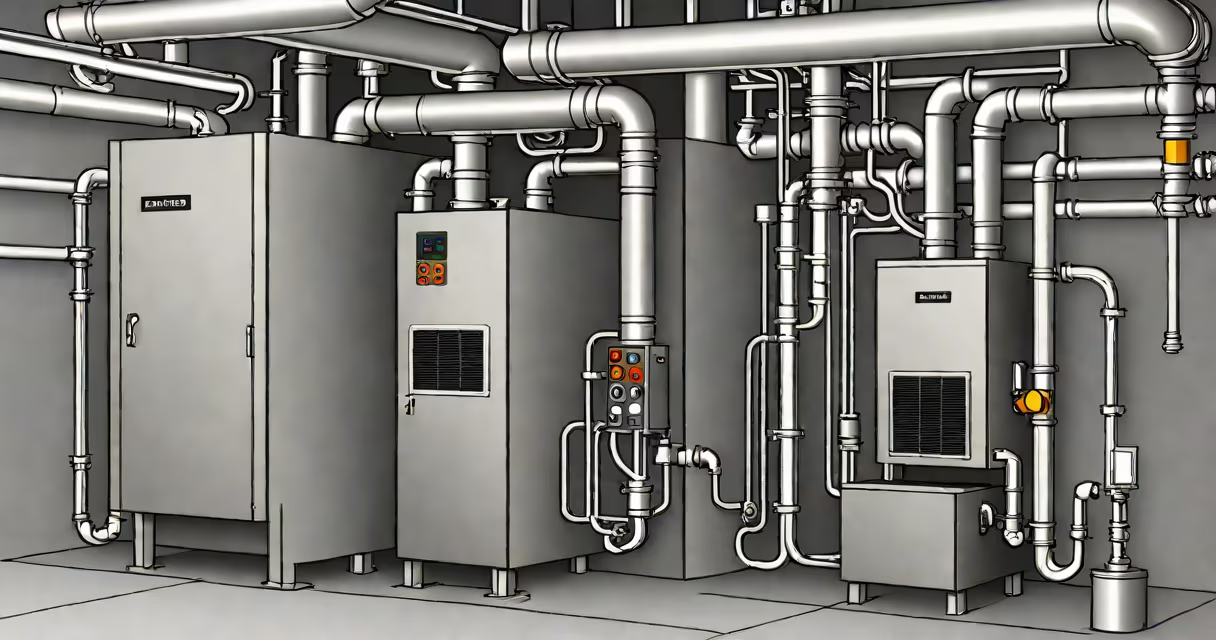
A forced air system is a heating and cooling method that uses a central unit-typically a furnace or heat pump-to condition air, which is then distributed throughout a building via a network of ducts using a blower fan. This system is standard in most American homes and commercial buildings due to its efficiency and compatibility with both heating and cooling functions.
Forced air systems operate by drawing return air from rooms through grilles, passing it over a heat exchanger (in winter) or evaporator coil (in summer), and then pushing the conditioned air back out through supply vents. The process repeats continuously to maintain set temperatures. Modern units integrate with programmable thermostats and smart controls for precise regulation.
The term "forced" refers to the mechanical blower that actively moves air rather than relying on natural convection. This ensures even temperature distribution and faster response times compared to radiant or passive systems. The system's performance hinges on proper duct design, insulation, and regular maintenance.
When the thermostat detects a temperature drop below the set point, it signals the furnace to ignite. Natural gas, oil, or electricity heats the air inside the furnace's heat exchanger. A blower motor pulls air from the return ducts, forces it across the hot metal surface, and sends the warmed air through supply ducts to various rooms.
For cooling, the process reverses. The system activates the air conditioner's compressor and refrigerant cycle. Cold air passes over the evaporator coil inside the furnace or air handler, removing heat and moisture. The blower then pushes this cooled air through the ductwork. Most systems use a single air handler to manage both heating and cooling.
Modern forced air systems often include filters to trap dust, pollen, and pet dander. High-efficiency models use MERV 13 or higher filters, reducing airborne particulates by up to 90% according to the American Lung Association. These filters improve indoor air quality and reduce strain on the blower motor.
Forced air systems consist of several core components:
Systems are categorized by fuel source and configuration:
| Type | Fuel Source | Efficiency Rating (AFUE/SEER) | Typical Use |
|---|---|---|---|
| Gas Furnace | Natural gas | 90-98% AFUE | Primary heating in northern U.S. |
| Electric Furnace | Electricity | 100% AFUE (but high operating cost) | Regions with low electricity rates or supplemental heat |
| Heat Pump (Air-Source) | Electricity | 16-22 SEER, 15-20 HSPF | Most efficient in moderate climates |
| Hybrid System | Gas + Electric | Variable (often exceeds 95% AFUE) | Adapts between modes based on outdoor temperature |
High-efficiency models like the Carrier Infinity series achieve SEER ratings above 20, meaning they use less energy per BTU delivered. The U.S. Department of Energy mandates minimum SEER 14 for new installations in most regions, effective since 2023.
Many people assume forced air systems are inherently noisy. While older models may produce rumbling or whooshing sounds during startup, modern units feature variable-speed blowers and sound-dampening enclosures. Noise levels typically stay under 50 decibels-comparable to a quiet library-when properly installed.
Another misconception is that duct leaks reduce efficiency. In reality, poorly sealed ducts in unconditioned spaces like attics or basements can lose 20-30% of heated or cooled air. The U.S. Environmental Protection Agency estimates that sealing ducts improves system efficiency by up to 20%, saving homeowners $100-$200 annually on utility bills.
I once inspected a 1990s home in Ohio where the original ductwork had deteriorated. Air leakage was so severe that the furnace ran 40% longer than needed. After sealing joints with mastic and replacing damaged sections, the homeowner reported a 25% drop in heating costs and improved comfort in upper-floor bedrooms.
Forced air systems dominate U.S. residential construction. Over 80% of new homes built since 2010 include central forced air HVAC, according to the U.S. Census Bureau's 2022 Housing Survey. The prevalence stems from ease of integration with existing electrical and plumbing infrastructure, especially in suburban neighborhoods.
These systems support zoning, allowing different areas of a house to have independent temperature settings. By installing dampers in ducts and using multi-zone thermostats, users can save energy by heating only occupied rooms. A study by the National Renewable Energy Laboratory found that zoned systems reduced annual energy use by 15-25% in homes with irregular occupancy patterns.
Forced air is also preferred in humid climates because it dehumidifies air during cooling cycles. As air cools below dew point, moisture condenses on the evaporator coil and drains away. This reduces mold risk and improves thermal comfort, particularly in southern states like Florida and Texas.
Forced air systems differ from radiant heating (like underfloor pipes) and passive solar designs. They are not the same as window AC units or portable heaters, which serve localized cooling or warming. Unlike evaporative coolers, forced air systems use refrigerants and compressors to remove heat.
Some confuse forced air with ventilation systems. While forced air handles temperature control, dedicated ventilation-such as heat recovery ventilators (HRVs)-manages fresh air exchange. HRVs are often paired with forced air systems to meet ASHRAE 62.2 standards for indoor air quality.
Despite their dominance, forced air systems aren't universal. In dense urban areas or historic districts, space constraints and structural limitations make installation difficult. Alternatives like mini-split heat pumps or electric baseboard heaters are more practical in such cases.
Understanding what a forced air system is-and how it functions-helps homeowners make informed choices about comfort, efficiency, and long-term maintenance. Whether upgrading an old furnace or selecting a new HVAC setup, knowing the role of ducts, blowers, and thermostats leads to smarter decisions.
Forced air systems remain the core of climate control in North American buildings. Their reliability, scalability, and integration with smart home tech ensure continued use for decades. When maintained properly, they deliver consistent comfort and measurable energy savings.