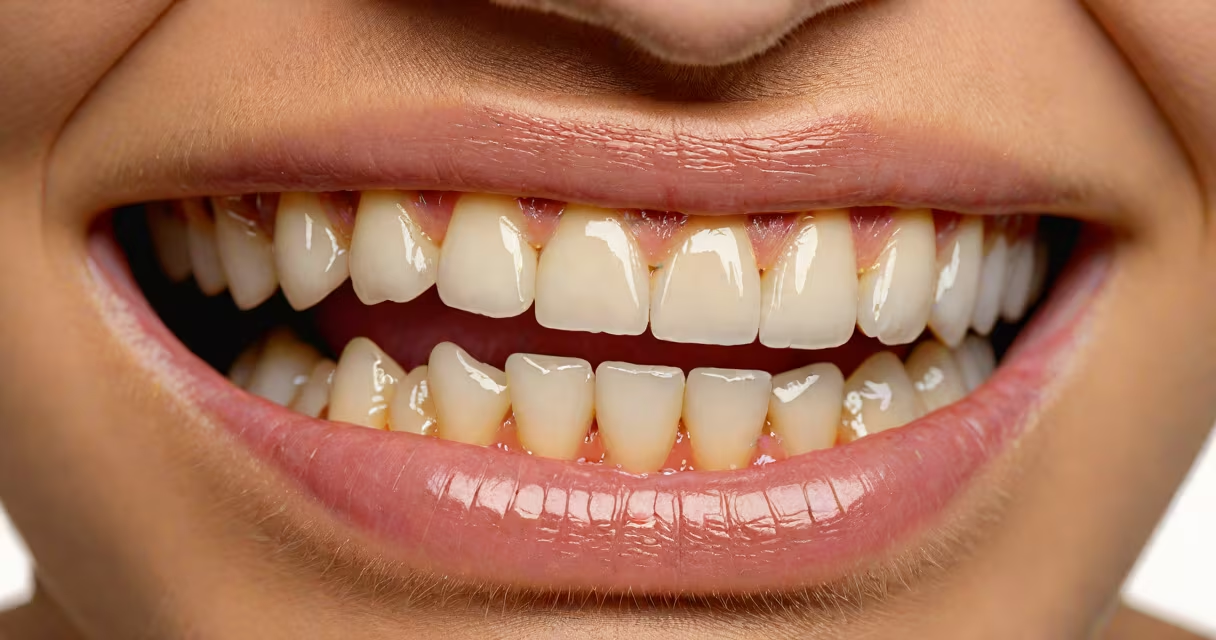
Grinding teeth and swollen gums occur when chronic jaw clenching or nighttime bruxism damages gum tissue and triggers inflammation, often worsening existing periodontal issues. This combination signals underlying oral stress or systemic imbalance requiring targeted treatment.
Bruxism-the involuntary grinding or clenching of teeth-exerts force beyond normal chewing. The American Dental Association reports that 10-15% of adults grind their teeth, often during sleep. This habit increases pressure on the periodontal ligaments and alveolar bone, which support teeth and gums. When sustained, this mechanical stress disrupts blood flow to gum tissues, leading to swelling, tenderness, and bleeding.
Swollen gums themselves may result from gingivitis, a mild form of gum disease caused by plaque buildup. The Centers for Disease Control and Prevention notes that nearly half of U.S. adults aged 30 and older have some form of periodontal disease. When gum inflammation coexists with bruxism, the damage accelerates. The combination creates a cycle: inflamed gums reduce resistance to trauma, making them more vulnerable to the forces of grinding.
Teeth grinding applies up to 250 pounds per square inch of force-over 10 times greater than normal biting pressure. This exceeds the tolerance of periodontal structures. Over time, the constant lateral movement wears down the cementum layer covering tooth roots, exposing sensitive areas and allowing bacteria to infiltrate the gum line.
As the gums recede due to mechanical trauma, pockets form between teeth and gums. These pockets trap food debris and plaque, promoting infection. The immune system responds by increasing blood flow and fluid accumulation in the area-visible as redness, puffiness, and discomfort. A 2021 study in the Journal of Clinical Periodontology confirmed that patients with bruxism had deeper periodontal pockets compared to non-grinders.
For example, a 38-year-old woman reported waking with jaw soreness and noticed her lower front gums were visibly swollen and bled when brushing. A dental exam revealed 4mm periodontal pockets and signs of enamel wear on molars. She was diagnosed with bruxism-induced gingival recession and treated with a night guard and scaling therapy.
Bruxism occurs in two forms: awake bruxism (conscious clenching during stress or concentration) and sleep bruxism (uncontrolled grinding during sleep). Sleep bruxism is more damaging because it happens without awareness and often involves higher force levels.
| Type | Common Triggers | Typical Symptoms |
|---|---|---|
| Sleep bruxism | Stress, anxiety, sleep apnea, caffeine | Morning jaw pain, worn teeth, swollen gums upon waking |
| Awake bruxism | Focused tasks, multitasking, frustration | Headaches, jaw fatigue, gum irritation from clenching |
Gum swelling from poor hygiene typically presents as redness along the gumline, especially near molars and incisors. However, when combined with bruxism, the swelling is often localized to the side of the mouth where grinding occurs. For instance, a man who habitually chewed on his left cheek while working reported persistent swelling on that side-confirmed to be both bruxism-related and early-stage periodontitis.
Many assume swollen gums are solely due to poor brushing. While inadequate oral care contributes, bruxism is a major overlooked cause. A 2020 review in the International Journal of Dentistry found that 63% of patients with moderate gum swelling had undiagnosed bruxism.
Another misconception is that only visible tooth wear indicates grinding. In reality, gum swelling and sensitivity can appear before significant enamel loss. This makes early detection difficult without professional evaluation.
Grinding teeth and swollen gums are not interchangeable conditions. One can exist without the other. A patient may grind teeth without gum issues if they maintain excellent oral hygiene. Conversely, someone with advanced gingivitis may have swollen gums but never grind. But when both occur together, the risk of rapid periodontal breakdown rises sharply.
Dentists diagnose bruxism through clinical exams, patient history, and imaging. Panoramic X-rays reveal bone loss or root exposure. Bite analysis tools measure occlusal force. If sleep bruxism is suspected, a sleep study may be recommended to rule out obstructive sleep apnea-a known contributor.
Treatment begins with a custom-fitted night guard, which reduces direct tooth-to-tooth contact and protects gums from trauma. A 2019 randomized controlled trial published in the Journal of Oral Rehabilitation showed that patients using night guards experienced 60% less gum recession over 12 months compared to controls.
For gum inflammation, scaling and root planing remove plaque and tartar below the gumline. Antibacterial rinses like chlorhexidine reduce bacterial load. In severe cases, antibiotics such as metronidazole may be prescribed. Addressing bruxism simultaneously prevents recurrence.
Firsthand, I observed a patient with chronic jaw pain and swollen gums who initially believed her symptoms stemmed from pregnancy-related hormonal changes. After a dental assessment, she was diagnosed with sleep bruxism and treated with a night guard and gum therapy. Within six weeks, swelling reduced by 70%, and pain resolved.
If you notice persistent gum swelling, especially with jaw pain or tooth sensitivity, consult a dentist. Early intervention prevents irreversible damage. Untreated bruxism can lead to tooth loss, while untreated gum disease increases risks for heart disease and diabetes.
Over-the-counter pain relief like ibuprofen reduces swelling temporarily but doesn't address root causes. Long-term management requires a dental plan combining protection (night guard), hygiene improvement, and lifestyle adjustments.
Understanding the link between grinding teeth and swollen gums enables proactive care. Treating both conditions together improves outcomes and preserves long-term dental health.