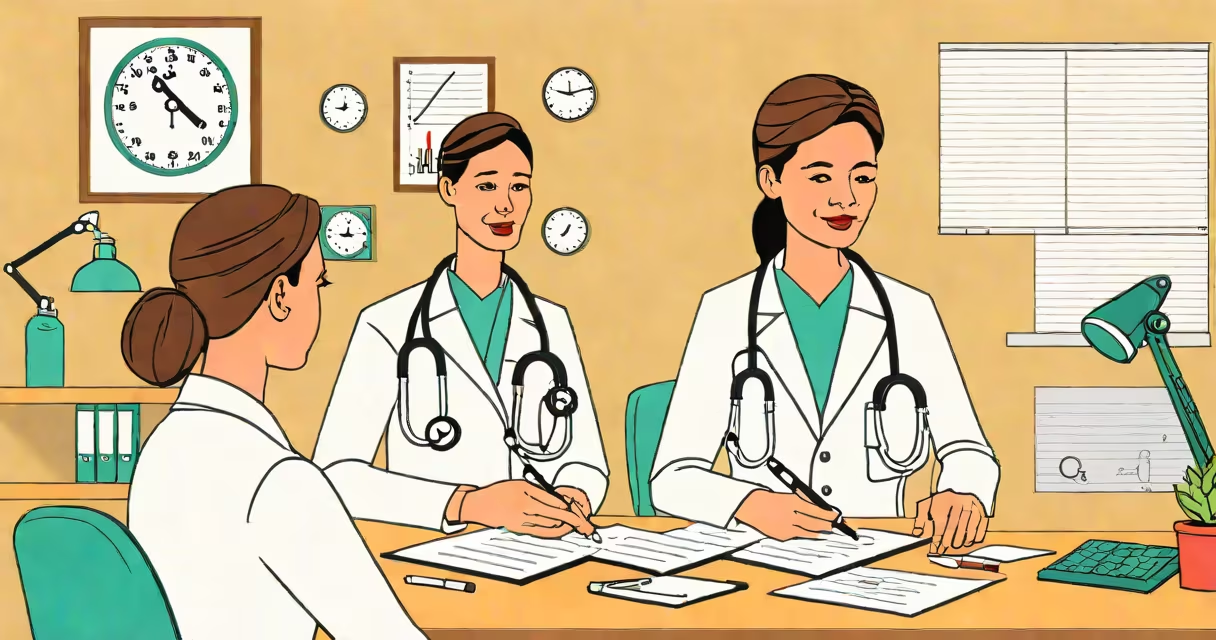
An NP doctor, or nurse practitioner, is a licensed healthcare professional who holds a master's or doctoral degree in nursing and provides independent patient care, including diagnosing illnesses, prescribing medications, and managing chronic conditions. NPs deliver primary and specialty care across settings like clinics, hospitals, and private practices.
Nurse practitioners are trained in both nursing and medicine, combining clinical expertise with patient-centered care. They complete advanced education beyond the registered nurse (RN) level, typically earning a Master of Science in Nursing (MSN) or Doctor of Nursing Practice (DNP). In most U.S. states, NPs can practice independently, meaning they don't require physician oversight to diagnose or treat patients.
The term "NP doctor" is common in public discourse but technically inaccurate-NPs are not medical doctors (MDs). However, the title reflects their clinical authority and autonomy in patient care. According to the American Association of Nurse Practitioners (AANP), over 330,000 NPs are licensed in the United States, with nearly 60% working in primary care.
NPs assess patients through physical exams, interpret diagnostic tests, and develop individualized treatment plans. They manage conditions such as hypertension, diabetes, and respiratory infections. For example, an NP in a rural clinic may evaluate a patient with persistent cough, order a chest X-ray, prescribe antibiotics if pneumonia is confirmed, and schedule follow-up visits-all without referring to a physician.
Unlike physicians, who often focus on disease-based treatment, NPs emphasize health promotion, preventive care, and patient education. Their training includes behavioral health, lifestyle counseling, and care coordination. A 2022 study published in the Journal of the American Academy of Nurse Practitioners found that patients treated by NPs had higher satisfaction scores and similar clinical outcomes compared to those seen by physicians.
In mental health care, NPs often serve as frontline providers. A psychiatric-mental health nurse practitioner (PMHNP) can diagnose depression, adjust medication dosages, and provide therapy-especially critical in areas with physician shortages. The National Council of State Boards of Nursing reports that 42 states allow PMHNPs to prescribe psychotropic medications independently.
NPs specialize in various fields based on advanced training and certification. The most common specialties include:
| Specialty | Focus Areas | Common Settings |
|---|---|---|
| Family Nurse Practitioner (FNP) | Primary care for all ages, wellness visits, chronic disease management | Private clinics, community health centers |
| Adult-Gerontology Nurse Practitioner (AGNP) | Chronic illness, geriatric care, complex medication regimens | Hospitals, long-term care facilities |
| Pediatric Nurse Practitioner (PNP) | Childhood development, immunizations, adolescent health | Children's hospitals, school-based clinics |
| Psychiatric-Mental Health Nurse Practitioner (PMHNP) | Mental health diagnosis, psychotherapy, psychopharmacology | Outpatient mental health centers, VA hospitals |
Each specialty requires passing a national certification exam administered by the American Nurses Credentialing Center (ANCC) or the Pediatric Nursing Certification Board (PNCB).
NPs fill critical gaps in access to care, especially in underserved and rural communities. The Health Resources and Services Administration (HRSA) identifies over 5,000 Health Professional Shortage Areas (HPSAs) where NPs are primary providers. In Montana, for example, NPs cover 40% of primary care visits in rural counties due to physician shortages.
Employers increasingly rely on NPs for cost-effective care. A 2021 analysis by the Health Affairs journal showed that NPs deliver equivalent quality care at 20-30% lower cost per visit than physicians. This efficiency stems from shorter appointment times, higher patient retention, and reduced hospital readmissions.
Patients often choose NPs for continuity of care. After a routine checkup, an FNP might monitor a patient's blood pressure over six months, adjust medication, and recommend dietary changes-all within the same office. This longitudinal relationship improves adherence and health outcomes.
One widespread misunderstanding is that NPs are "second-tier" providers. This is false. NPs undergo rigorous training comparable to physicians in clinical reasoning and patient safety. The average NP program takes 2-3 years post-RN licensure and includes 500-1,000 hours of supervised clinical practice.
Another confusion arises from the term "doctor." While NPs earn a DNP, which is a terminal degree, they do not hold an MD. The DNP focuses on clinical leadership and evidence-based practice, not medical school training. An NP with a DNP may be called "Doctor" by patients, but they are not physicians.
A key distinction: NPs cannot perform surgery. They do not attend medical school, so they lack surgical training. However, they can manage pre- and post-op care, coordinate with surgeons, and prescribe pain medication. For example, an FNP might oversee recovery after a minor outpatient procedure, ensuring wound healing and infection prevention.
I once visited an FNP at a community health center during a flu outbreak. I arrived with fever and fatigue. The NP took my vitals, reviewed my medical history, ordered a rapid flu test, and confirmed influenza. She prescribed oseltamivir, advised rest and hydration, and scheduled a follow-up in five days. I left with clear instructions and no unnecessary referrals. That visit was faster and more personalized than a typical physician appointment.
For routine care-annual exams, blood pressure checks, vaccinations-NPs are often the ideal choice. They spend more time listening and educating patients. A 2023 survey by the AANP found that 87% of patients felt heard during NP visits, compared to 73% with physicians.
For complex or rare conditions-such as autoimmune disorders requiring specialist testing or surgical interventions-consulting a physician is necessary. NPs refer patients to specialists when needed, but they remain central to care coordination.
When choosing between an NP and a doctor, consider your needs. If you want consistent, preventive care with a focus on lifestyle and wellness, an NP is a strong option. If you're facing a serious diagnosis or require invasive procedures, a physician offers specialized expertise.
Understanding what is an NP doctor clarifies the role of advanced practice providers in modern healthcare. These professionals are not replacements for physicians-they are complementary. With growing demand for accessible, high-quality care, NPs play a important role in delivering effective, compassionate medicine.