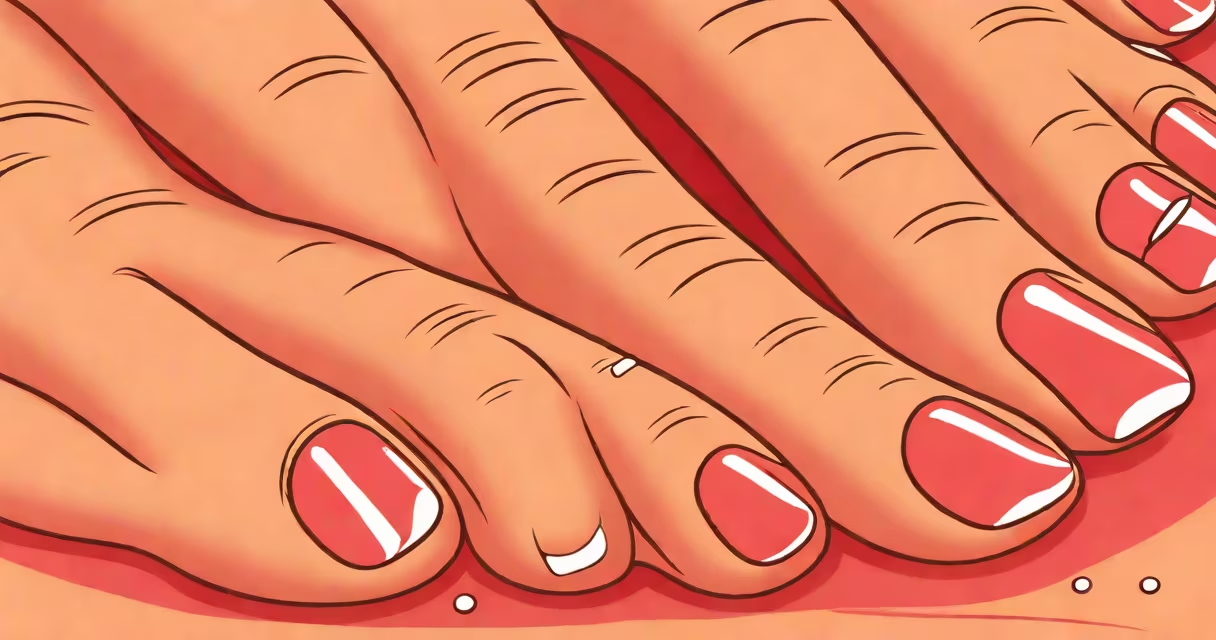
Redness and swelling around the toenail indicates inflammation of the tissue surrounding the nail, commonly caused by infection, injury, or underlying health conditions. This condition often progresses from mild tenderness to severe pain, warmth, and pus formation if untreated.
When the skin around the toenail becomes inflamed, it's typically due to bacteria entering through a small cut or tear in the nail fold-the area where the nail meets the skin. The most common cause is a bacterial infection called paronychia, which develops rapidly and may involve pus. Fungal infections can also cause similar symptoms, though they usually progress more slowly and affect the nail plate itself.
According to the American Academy of Dermatology, paronychia accounts for nearly 60% of acute nail-fold infections seen in primary care settings. Chronic cases-lasting more than six weeks-are often linked to fungal organisms such as *Candida albicans* or dermatophytes. These infections thrive in moist environments, making frequent exposure to water or tight footwear risk factors.
The process begins when the protective barrier between the nail and surrounding skin is compromised. Common triggers include nail biting, aggressive manicures, ingrown toenails, or minor trauma from stubbing the toe. Once the skin is breached, bacteria like *Staphylococcus aureus* or fungi gain access and multiply in the warm, moist environment.
As the immune system responds, blood flow increases to the area, causing redness and heat. Fluid accumulation leads to swelling and pressure. Pain intensifies as nerve endings become compressed. If left unchecked, the infection can spread deeper into the nail bed or even reach the bone, leading to osteomyelitis-a serious complication requiring hospitalization.
A 2021 study published in *JAMA Dermatology* found that 15% of patients with untreated acute paronychia developed complications requiring surgical drainage within 72 hours of symptom onset. Early recognition reduces the risk of progression.
There are two main forms: acute and chronic. Acute paronychia appears suddenly, often within 24-48 hours of injury, and is usually bacterial. Chronic paronychia develops over weeks to months and is frequently fungal or associated with repeated moisture exposure.
| Type | Onset | Primary Cause | Common Triggers | Typical Duration |
|---|---|---|---|---|
| Acute | Sudden (hours) | Bacterial (e.g., *Staphylococcus*) | Nail biting, trauma, soaking hands/feet | Less than 6 weeks |
| Chronic | Gradual (weeks) | Fungal (*Candida*, dermatophytes) | Repetitive wetting, diabetes, weakened immunity | More than 6 weeks |
Non-infectious causes include psoriasis, eczema, and autoimmune disorders. For example, psoriatic arthritis can mimic paronychia with nail pitting, discoloration, and soft tissue swelling. A 2020 review in *The Journal of the European Academy of Dermatology and Venereology* noted that up to 10% of patients presenting with nail swelling were later diagnosed with psoriatic disease.
Many people assume that redness and swelling around the toenail is simply a "minor" issue that will resolve on its own. This belief leads to delayed treatment and increased risk of complications. In reality, early intervention prevents progression to abscess formation or permanent nail deformity.
Another mistake is using home remedies like tea tree oil or vinegar soaks without medical guidance. While some natural agents have antimicrobial properties, they lack clinical evidence for treating established infections. A 2019 randomized controlled trial in *British Journal of Dermatology* showed that vinegar soaks did not reduce healing time compared to placebo in mild paronychia.
Some confuse this condition with an ingrown toenail. While both involve pain and swelling near the nail, an ingrown toenail results from the nail growing into the skin rather than infection. The key difference lies in the location: ingrown nails typically affect the lateral edges, while paronychia centers on the nail fold and may show pus under the nail edge.
In my clinic last winter, a 42-year-old construction worker presented with a swollen, painful big toe. He reported stepping on a nail two days prior. The toe was red, warm, and had a small amount of pus draining from the side of the nail. He had tried soaking it in warm water and applying ointment, but symptoms worsened.
Examination revealed a fluctuant area near the nail fold-indicating an abscess. I drained the pus under local anesthesia and prescribed oral antibiotics. After five days, the swelling reduced. By day 14, the redness had resolved, and he returned to work without restrictions.
This case illustrates that even minor injuries can lead to rapid infection progression. Delayed care increases the likelihood of surgical intervention.
Seek immediate care if you notice any of the following: pus discharge, increasing pain despite home treatment, fever, or inability to walk. Redness spreading beyond the toe or into the foot suggests systemic spread. Patients with diabetes, peripheral neuropathy, or compromised immunity are at higher risk for severe outcomes.
The Centers for Disease Control and Prevention recommends prompt evaluation for anyone with a history of diabetes who develops redness and swelling around a toenail. Diabetic foot ulcers develop from untreated infections and can lead to amputation if not managed early.
If symptoms persist beyond 7 days or worsen, consult a healthcare provider. A doctor may perform a culture of the fluid to identify the causative organism and guide antibiotic selection. In chronic cases, a biopsy may be needed to rule out malignancy or autoimmune disease.
For persistent or recurring issues, consider seeing a podiatrist. They specialize in foot and nail conditions and can offer advanced treatments like nail removal or laser therapy for fungal infections.
Early diagnosis and treatment prevent long-term damage. Redness and swelling around the toenail is not just discomfort-it's a sign the body is fighting an invasion. Ignoring it risks lasting harm.