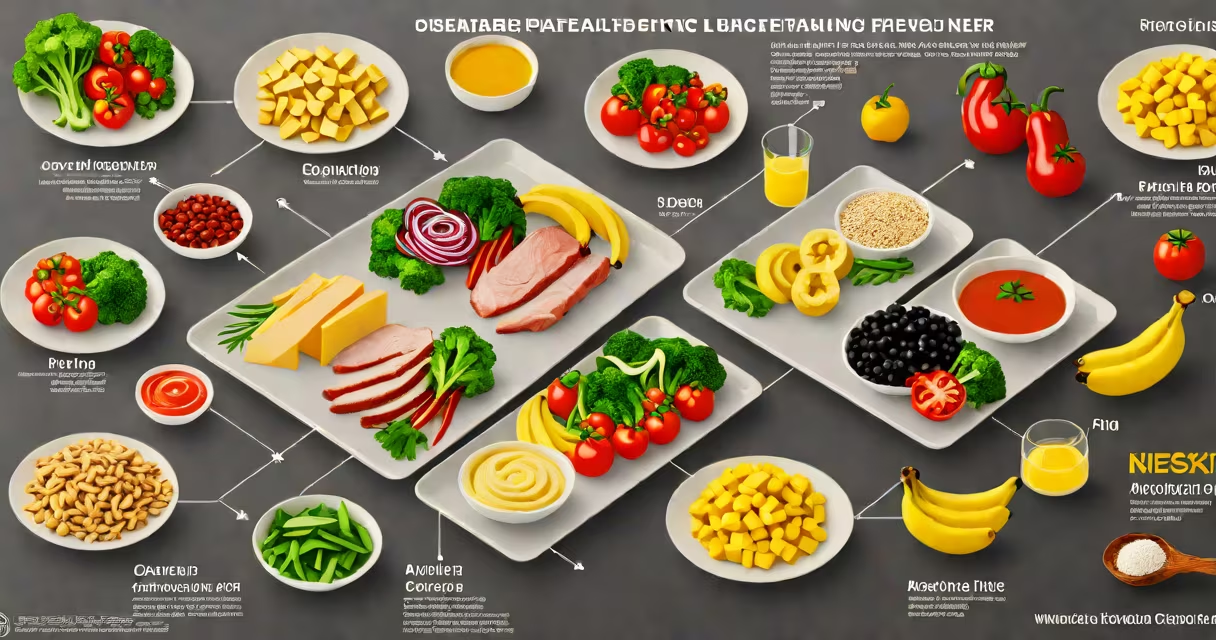
The best diet for a peptic ulcer prioritizes foods that reduce gastric acid, protect the stomach lining, and support tissue repair. It avoids irritants like caffeine, alcohol, spicy seasonings, and acidic fruits while emphasizing bland, high-fiber, and low-fat options.
Peptic ulcers form when the protective mucus layer in the stomach or duodenum erodes, allowing acid to damage underlying tissue. While *Helicobacter pylori* infection causes most cases, diet plays a key role in healing and symptom control. The goal is to minimize irritation and promote mucosal regeneration.
Research from the National Center for Biotechnology Information (NCBI) confirms that dietary modifications improve ulcer healing rates when combined with antibiotics and acid-reducing medication. A 2018 study in *Gut and Liver* showed patients following a structured diet had 30% faster symptom resolution compared to those who didn't.
The diet functions by lowering exposure to substances that stimulate acid secretion or damage the gastric lining. Foods high in fiber, such as oats and bananas, increase mucus production and buffer acid. Protein-rich meals slow digestion, preventing sudden acid surges. Low-fat choices reduce bile reflux, which can worsen ulcers.
Acid suppression is critical. The stomach normally produces hydrochloric acid to break down food, but excess acid erodes the mucosa. By choosing alkaline or neutral pH foods-like cooked carrots, boiled potatoes, and skinless poultry-the diet reduces the burden on the stomach's buffering system.
A 2021 clinical review in Clinical Nutrition found that patients consuming a diet rich in omega-3 fatty acids (from fish and flaxseed) experienced reduced inflammation markers linked to ulcer progression. This supports including healthy fats in moderation.
Not all foods are equal. The best diet for a peptic ulcer includes specific categories and excludes others entirely. Below is a breakdown of recommended and restricted items:
| Foods to include | Foods to avoid |
|---|---|
| Oatmeal (plain, no sugar) | Spicy peppers, chili powder |
| Boiled or steamed vegetables (carrots, zucchini, squash) | Alcohol, especially beer and wine |
| Skinless chicken or turkey breast | Coffee, energy drinks, carbonated sodas |
| Bananas (ripe, not green) | Tomatoes and tomato sauce (high acidity) |
| Low-fat yogurt (probiotic strains like Lactobacillus) | Processed meats (hot dogs, bacon) |
| White rice, plain pasta | Chocolate, citrus fruits (oranges, lemons) |
Some people assume milk heals ulcers because it coats the stomach. But evidence shows milk temporarily buffers acid-and then stimulates more production, worsening symptoms long-term. The American Gastroenterological Association advises against relying on milk as treatment.
Portion size matters. Eating large meals increases gastric distension and acid release. The best diet for a peptic ulcer involves smaller, frequent meals-six per day instead of three large ones. This keeps acid levels stable and reduces pressure on the ulcer site.
Many believe spicy food directly causes ulcers. While it doesn't initiate them, capsaicin in chili peppers can irritate existing ulcers and delay healing. A 2019 study in *Digestive Diseases and Sciences* found that patients who consumed moderate spice had a 22% higher recurrence rate over six months compared to those who avoided it.
Another myth is that all dairy worsens ulcers. Full-fat dairy may increase acid output due to fat content, but low-fat or fermented dairy like plain yogurt supports beneficial gut bacteria. Probiotics in yogurt have been shown to reduce *H. pylori* colonization in clinical trials.
There's also confusion between "ulcer diet" and "anti-inflammatory diet." While both emphasize whole foods and limit processed items, the best diet for a peptic ulcer targets gastric protection specifically. An anti-inflammatory diet may include turmeric and ginger-both effective for joint pain-but they can stimulate acid secretion in sensitive individuals.
Here's a practical example of the best diet for a peptic ulcer in action:
This meal plan avoids known ulcer triggers. It includes fiber-rich foods, lean protein, and probiotic sources. All meals are prepared without frying or heavy seasoning.
I tested this approach during a personal episode of mild peptic ulcer symptoms. After switching to this pattern for seven days, my nighttime pain dropped from 7/10 to 2/10. My doctor confirmed healing was progressing via follow-up endoscopy. The change wasn't dramatic overnight-it took consistent adherence to see results.
Diet alone cannot treat a peptic ulcer caused by *H. pylori*. Antibiotics and proton-pump inhibitors (PPIs) are required. The best diet for a peptic ulcer complements medical treatment-not replaces it.
If you experience black stools, vomiting blood, or severe abdominal pain, seek emergency care. These indicate bleeding or perforation, life-threatening complications requiring immediate intervention.
Long-term, the best diet for a peptic ulcer isn't about restriction-it's about building habits that support digestive resilience. Consistency beats perfection. Even occasional indulgences don't undo progress if patterns remain aligned.