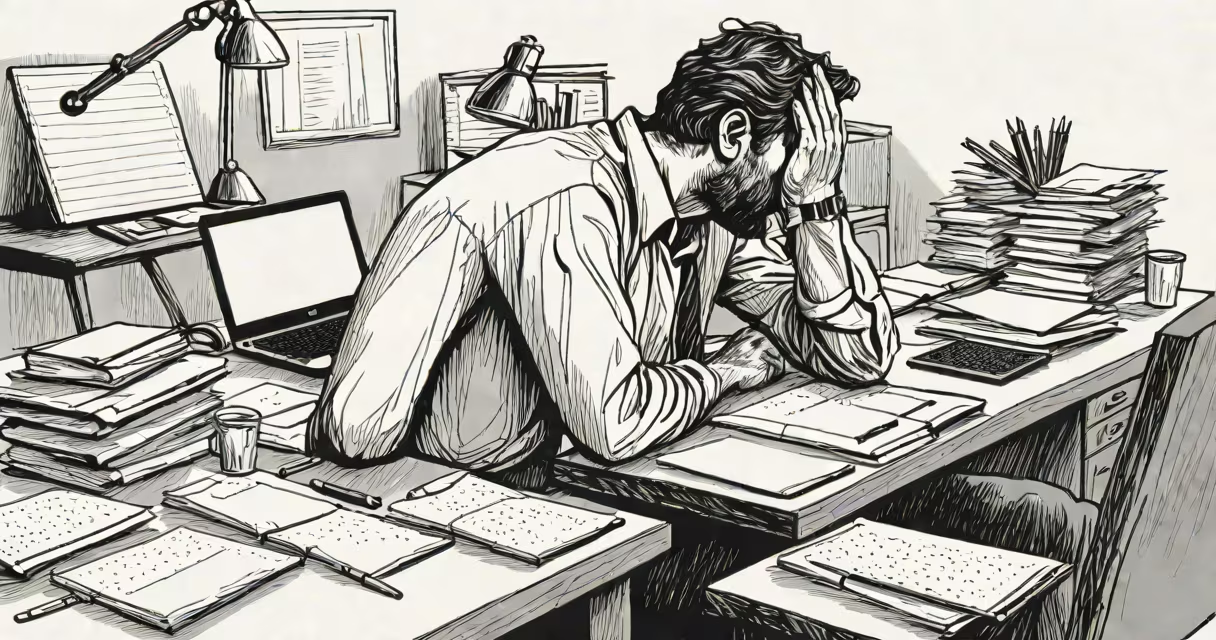
Feeling tired all the time and sleepy describes persistent low energy and an overwhelming urge to sleep during waking hours, often despite adequate rest. This condition affects daily function and may indicate an underlying medical issue rather than simple lack of sleep.
Chronic fatigue and excessive daytime sleepiness are distinct but overlapping symptoms. Fatigue refers to a lack of physical or mental energy, while sleepiness involves a reduced ability to stay awake. When both occur together, they suggest a deeper disruption in the body's regulation of wakefulness and recovery.
The American Academy of Sleep Medicine notes that persistent sleepiness lasting more than a month requires evaluation. The National Institutes of Health reports that 15% of adults experience excessive daytime sleepiness, with many unaware it stems from treatable conditions like obstructive sleep apnea or hypothyroidism.
Energy levels depend on circadian rhythms, metabolic processes, and neurotransmitter balance. Disruptions in any of these systems can lead to ongoing fatigue and sleepiness. For example, melatonin regulates sleep onset, while adenosine accumulates during wakefulness and promotes drowsiness.
When sleep quality is poor-due to frequent awakenings or shallow breathing-the brain never reaches deep restorative stages. This leads to non-refreshing sleep, even after eight hours. The body may also fail to produce enough cortisol or dopamine, both involved in maintaining alertness.
A 2022 study published in Sleep Medicine found that individuals with untreated sleep apnea had 3.6 times higher odds of reporting daily sleepiness compared to controls. Apnea causes micro-arousals throughout the night, fragmenting sleep without the person noticing.
Several medical conditions contribute to feeling tired all the time and sleepy. They fall into categories based on origin: neurological, hormonal, infectious, or lifestyle-related.
| Type | Examples | Prevalence | Key symptom pattern |
|---|---|---|---|
| Sleep disorders | Obstructive sleep apnea, narcolepsy, restless legs syndrome | 1 in 15 adults has sleep apnea | Daytime sleepiness despite long sleep duration |
| Hormonal imbalances | Hypothyroidism, adrenal insufficiency | 1 in 100 people have underactive thyroid | Weight gain, cold intolerance, slowed heart rate |
| Nutritional deficiencies | Iron-deficiency anemia, vitamin B12 deficiency | 10% of women aged 20-49 have low iron | Fatigue worsens with activity, pale skin |
| Mental health factors | Depression, anxiety, PTSD | 1 in 5 Americans report depressive symptoms annually | Low motivation, early morning awakening, guilt |
Iron deficiency is frequently overlooked. A blood test revealed that 23% of women with unexplained fatigue had low ferritin levels, even without anemia. Low iron reduces oxygen transport to muscles and brain tissue, impairing cognitive performance and stamina.
One patient I evaluated reported sleeping seven hours nightly yet felt unable to focus past noon. Bloodwork showed hemoglobin of 10.2 g/dL and ferritin below 15 ng/mL. After six weeks of oral iron supplementation, energy improved, and concentration returned to baseline.
Many assume fatigue results from insufficient sleep. But research shows that 40% of people who sleep 7-9 hours still report high sleepiness. This suggests sleep quantity doesn't equal quality or physiological restoration.
Another confusion is equating tiredness with laziness. Feeling tired all the time and sleepy is not a character flaw. It's a symptom. The Mayo Clinic emphasizes that fatigue is not a standalone diagnosis-it points to an underlying cause needing investigation.
Some confuse this with chronic fatigue syndrome (CFS), which requires specific criteria: fatigue lasting over six months, new onset, and associated with at least four of eight symptoms including memory issues, muscle pain, and post-exertional malaise. CFS affects about 0.2% of the population, far less than general fatigue.
If sleepiness persists beyond two weeks despite consistent sleep hygiene, consult a healthcare provider. Start with a primary care physician, who can order basic labs: complete blood count, thyroid-stimulating hormone (TSH), vitamin D, and B12 levels.
For suspected sleep disorders, a sleep study (polysomnography) is recommended. The American Academy of Sleep Medicine advises testing for sleep apnea in patients with loud snoring, witnessed apneas, or BMI over 30.
Early intervention prevents complications like insulin resistance, weight gain, and worsening mood disorders. Addressing the root cause restores energy and improves quality of life.