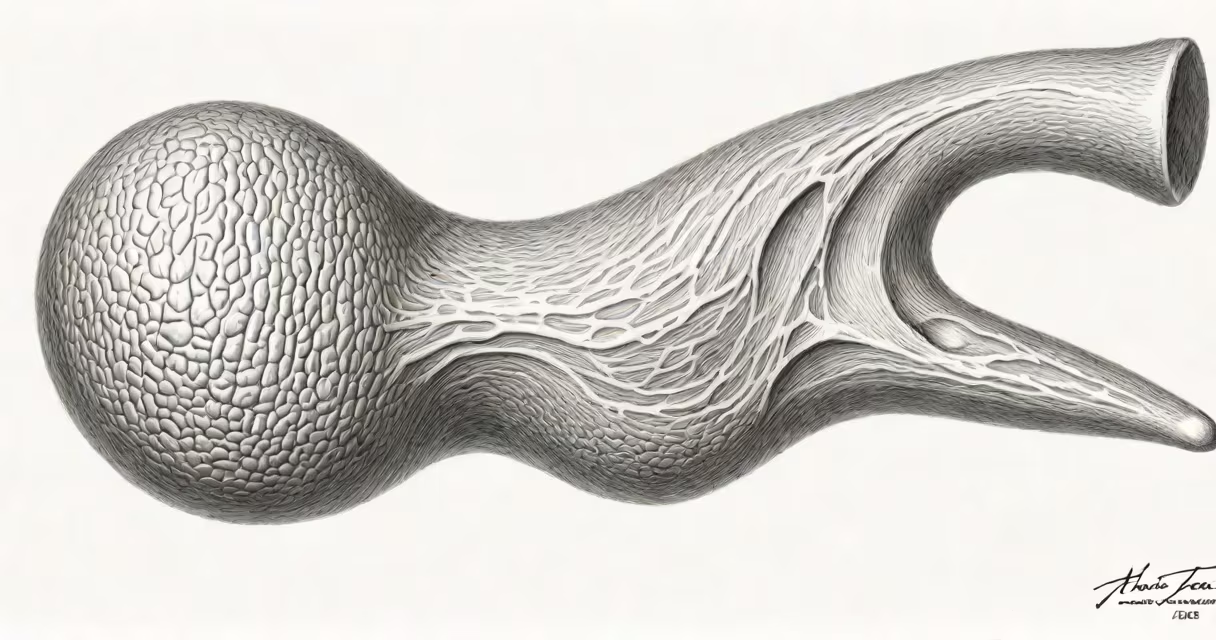
A large prostate means the prostate gland has grown beyond normal size, typically due to benign prostatic hyperplasia (BPH), a noncancerous condition affecting most men over 50. This enlargement compresses the urethra, leading to urinary flow problems.
BPH affects about 50% of men aged 51-60 and nearly 90% of men over 80, according to the National Institutes of Health (NIH). The condition is not cancer, but it can impact quality of life. Symptoms include frequent urination, weak stream, urgency, and nighttime awakenings to void.
Prostate size is measured via transrectal ultrasound or MRI. A normal prostate weighs about 20 grams. When it exceeds 30 grams, it's considered enlarged. At 50 grams or more, it's classified as enlarged. These numbers are critical because they correlate with symptom severity and treatment decisions.
The prostate gland surrounds the urethra, the tube that carries urine from the bladder. As it grows, it narrows the urinary passage. This obstruction increases pressure in the bladder, forcing muscles to contract harder to push out urine. Over time, this leads to bladder wall thickening and reduced capacity.
Age is the primary driver. Testosterone metabolism in the prostate converts to dihydrotestosterone (DHT), which stimulates cell growth. Estrogen levels also rise relative to testosterone with aging, contributing to tissue proliferation. The combination accelerates gland enlargement.
Not all men with a large prostate have symptoms. The American Urological Association (AUA) defines symptomatic BPH using the International Prostate Symptom Score (IPSS), a questionnaire scoring frequency, urgency, and nocturia. Scores above 8 indicate moderate-to-severe symptoms requiring intervention.
Enlargement is not binary-it exists on a spectrum. Doctors classify it based on size, symptom burden, and functional impact:
| Size Category | Volume (mL) | Common Symptoms | Treatment Threshold |
|---|---|---|---|
| Mild | 30-40 | Occasional urgency, mild frequency | Watchful waiting |
| Moderate | 41-60 | Frequent urination, weak stream, nocturia | Medication (e.g., tamsulosin) |
| Severe | 61+ | Urinary retention, bladder stones, recurrent UTIs | Surgical intervention (TURP) |
Some men develop acute urinary retention-a sudden inability to urinate-requiring catheterization. This occurs in about 1 in 10 men with moderate-to-severe BPH annually, per NIH data.
A large prostate does not mean cancer. While both conditions affect older men, prostate cancer is a malignant growth, not a benign overgrowth. The two can coexist, but they are distinct diagnoses. PSA (prostate-specific antigen) levels may rise in both, but elevated PSA alone doesn't confirm cancer.
Many assume that a large prostate always causes symptoms. That's false. Up to 40% of men with enlarged prostates have minimal or no symptoms, especially early on. Conversely, some men with normal-sized prostates suffer severe urinary dysfunction due to bladder muscle weakness or neurogenic factors.
Another misconception is that surgery cures BPH permanently. While procedures like transurethral resection of the prostate (TURP) relieve obstruction in 85% of cases, recurrence can happen over 10 years. Long-term follow-up shows about 15% of patients need retreatment within a decade.
Consider John, a 67-year-old man with a 6-month history of waking twice nightly to urinate and feeling incomplete emptying. His IPSS score was 18-indicating severe symptoms. A digital rectal exam revealed a moderately enlarged, rubbery prostate. Ultrasound confirmed a volume of 72 mL.
John was started on tamsulosin, a medication that relaxes prostate smooth muscle. After four weeks, his IPSS dropped to 8. He reported fewer nighttime trips and improved stream strength. His urologist advised annual monitoring due to persistent risk of complications.
This case illustrates that treatment isn't automatic. Men with mild symptoms may avoid drugs. Those with moderate-to-severe symptoms benefit from pharmacological or surgical options. Decision-making hinges on symptom burden, not just size.
Benign prostatic hyperplasia (BPH) is not cancer. It's a normal part of aging. However, confusion persists because both conditions share risk factors-age, family history-and can cause similar urinary symptoms. The key difference lies in cellular behavior: BPH cells grow in a controlled way; cancer cells invade tissues and spread.
Prostate biopsies are not routine for BPH. They're only done if PSA is elevated or DRE findings are suspicious. In John's case, his PSA was 4.1 ng/mL-within normal limits. No biopsy was needed.
One non-obvious fact: Some medications worsen BPH symptoms. Antihypertensives like alpha-blockers can reduce blood pressure but may also relax bladder neck muscles, worsening retention. Decongestants and anticholinergics (common in cold remedies) increase bladder outlet resistance. Patients should inform doctors of all medications.
I once saw a patient who delayed care for over a year despite worsening symptoms. He believed "it's just old age." By the time he presented, he had developed a distended bladder and required emergency catheterization. His prostate was 110 mL-over five times normal size. After TURP, his urine flow improved from 8 mL/sec to 22 mL/sec. He regained sleep and independence.
This case underscores that a large prostate isn't inevitable. Early evaluation prevents complications. Routine screening isn't recommended for asymptomatic men, but when symptoms arise, timely action matters.
See a urologist if you experience:
Early diagnosis improves outcomes. Treatments range from lifestyle changes-reducing fluid intake before bed, avoiding caffeine-to medications and minimally invasive procedures like Rezum or UroLift.
Understanding what a large prostate means begins with recognizing it's a common, treatable condition-not a death sentence. It's not a sign of cancer, nor is it unavoidable. With proper care, most men maintain good urinary function well into old age.